
More Must-see Sights in Berlin
There is a huge amount to see and do in Berlin, much more than you can take in during a short visit. Here is a selection of sights in Berlin that we think will give you a taste of what the city is all about.
Charlottenburg Palace
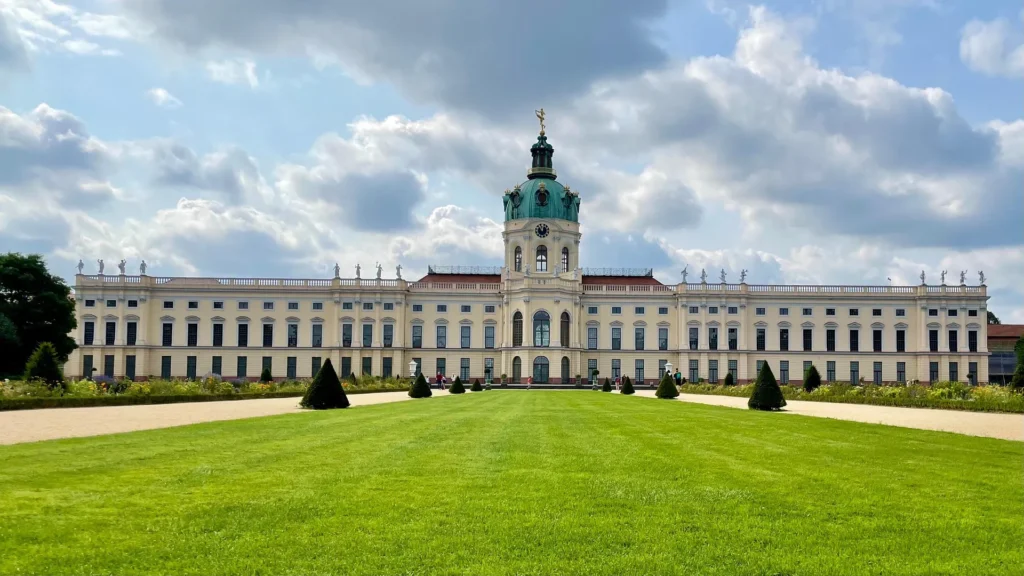
Just on the outskirts of Berlin’s city centre is the very popular Charlottenburg Palace, one of the iconic sights in Berlin, dating from the early 18th century. It was a present from King Friedrich III to Sophie Charlotte, his wife. It is surrounded by very attractive parkland which lies beside the River Spree. Surrounding the palace is the upper-class neighbourhood of Charlottenburg. A ramble around the grounds is recommended, after which one can get their culture fix in the six museums on Schlossstrasse, which faces the Palace.
Alexanderplatz
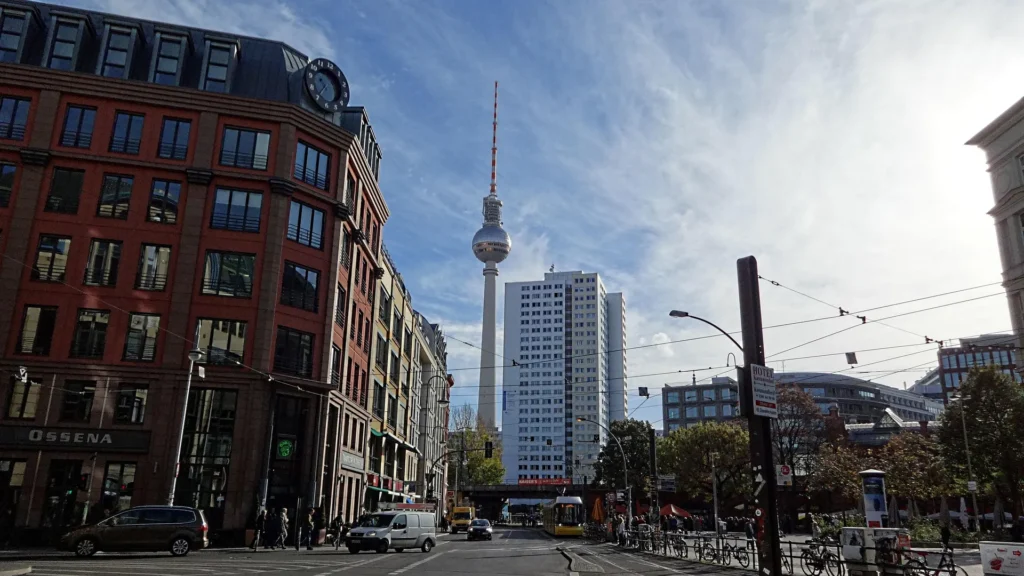
During the years of the GDR, Alexanderplatz was architecturally and politically the centre of East Berlin. To this day its socialist style has retained its interest factor, with broad streets radiating from the square. One of these is Karl-Marx-Allee, which has excellent examples of previously Stalinist architecture. Alexanderplatz is bordered by Berlin’s tallest and biggest structures, such as the TV Tower.
Down the road is the Nikolai Quarter, restored during the 80s, and Red City Hall. Some of Berlin’s most ancient churches, such as the Church of St. Nicholas dating back to the early 13th century and St. Mary’s Church, which dates from the late 13th century, are also here, which lends some very interesting variety to the overall look of the square.
Oranienburger Strasse
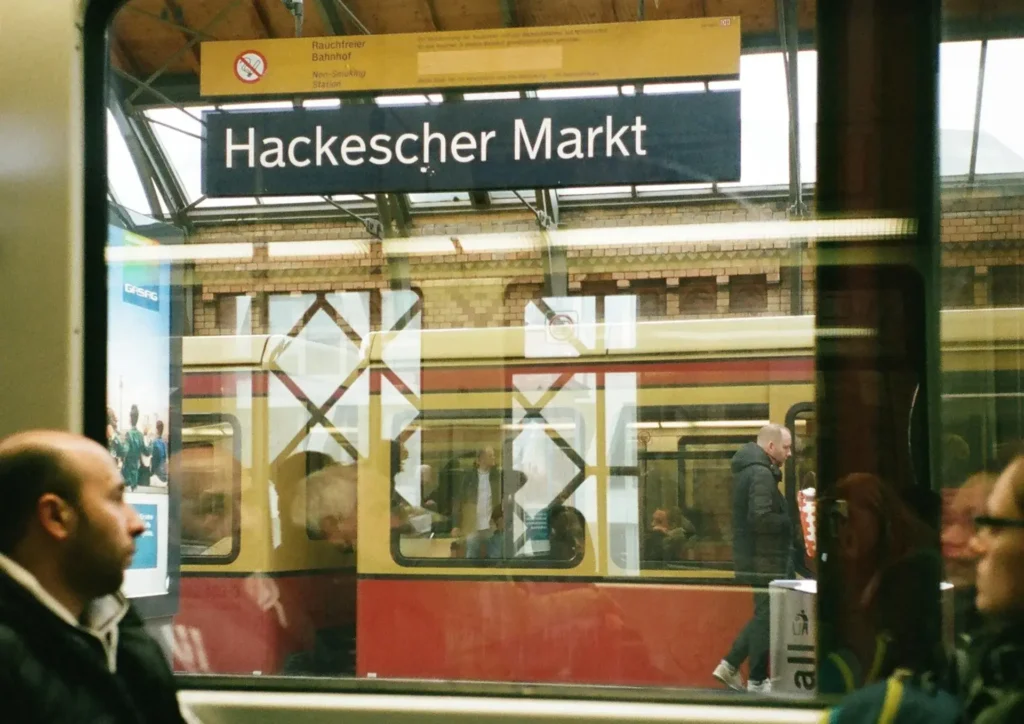
Oranienburger Strasse, situated near the New Synagogue and Hackescher Markt, used to be where the city’s Jews lived, but this changed drastically when World War II broke out. However, since the unification of East and West Berlin, this area has become a hub of the arts, culture and entertainment, with a huge variety of eateries, pubs and exhibition spaces. In particular, the Hackescher Markt S-bahn train station, at the southern end of the street, is a 24 hour party zone. As a rule of thumb, this district is the place to go if you want to sample Berlin’s nightlife.
Potsdamer Platz
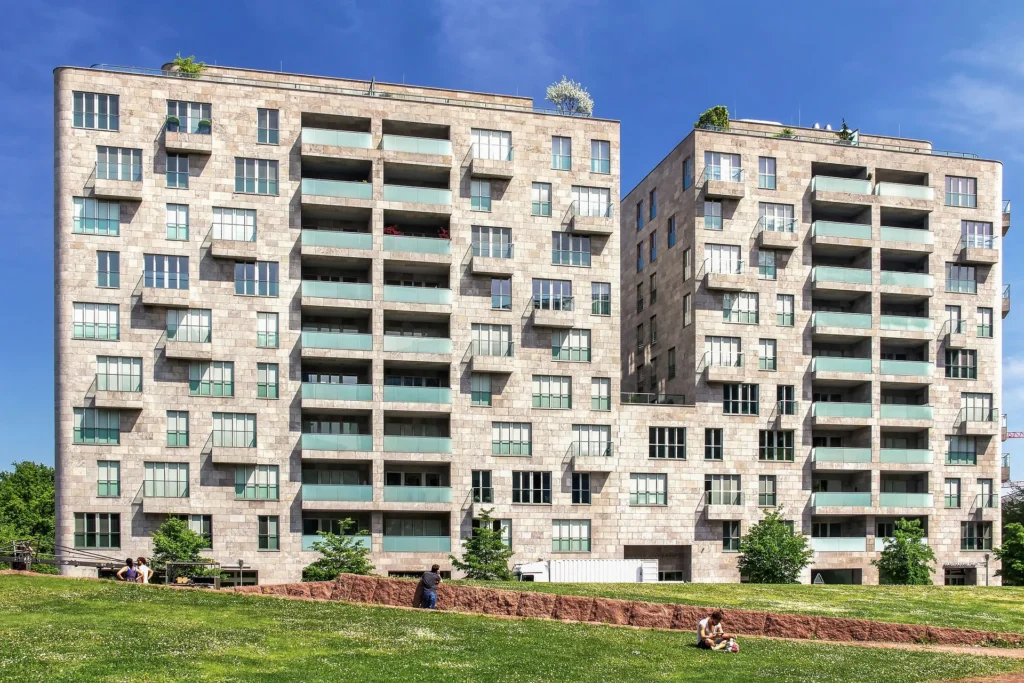
Potsdamer Platz and its neighbour, Leipziger Platz, used to be the centres of commerce before World War II broke out. With two train stations, a huge amount of shops, theatres, cinemas, warehouses and more, it was one of the busiest districts in Berlin, leading to the installation of the first traffic light on the continent.
The years spanning the end of the Second World War and the fall of the Berlin Wall, however, created a totally different area, as the Wall divided Potsdamer Platz in two. Bordering it were no-man’s-land and what inhabitants came to know as the death zone. However, after reunification, this area was regenerated. International companies supported the effort by locating offices here, and many shops were encouraged to open in the area. A number of prestigious cinemas were also built, leading to this area’s contemporary reputation for celebrity spotting.
The Olympia Stadium
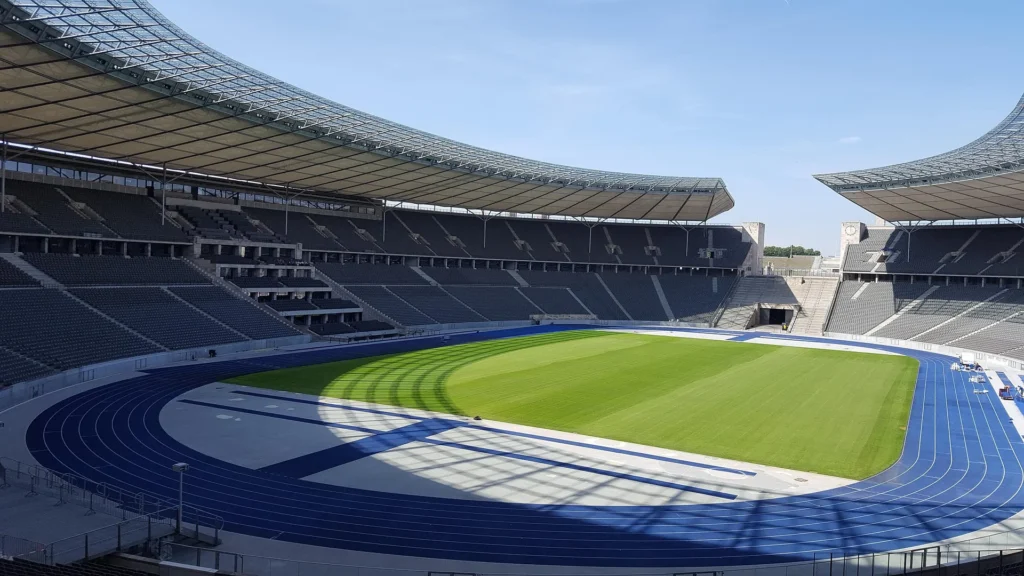
The Olympia Stadium lies to the west of Westend, the exclusive neighbourhood of Berlin. It was the home of the 1936 Olympic Games – a perfect opportunity for the Nazis to showcase the best of German design and architecture. They built a structure which, up to that point, would have been inconceivable. Nowadays it is the base of Hertha BSC soccer club, as well as being a popular venue for tournaments and concerts. Beside the Stadium is the Forest Theatre, which is an outdoor stage and also regularly hosts large concerts. One of the most popular sights in Berlin.
Tickets and Tours
Berlin Wall Memorial
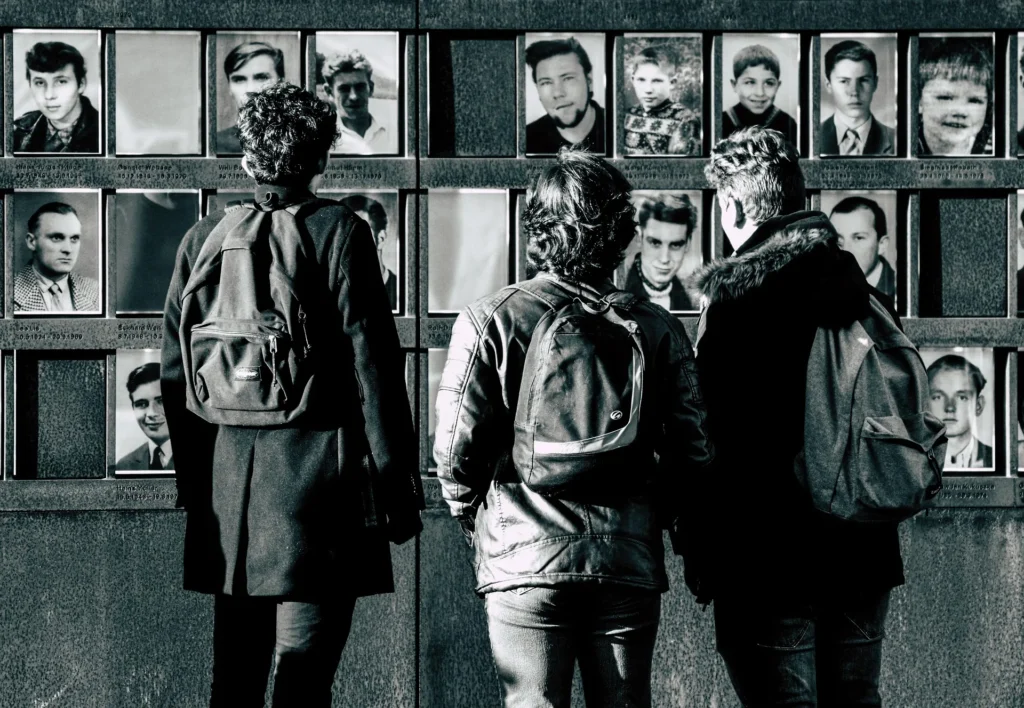
A solemn memorial and documentation centre dedicated to the victims of the Berlin Wall. The preserved wall sections and powerful exhibitions chronicle the experiences of those who lived through the division, offering deep insights into Cold War history and human resilience. One of the sombre sights in Berlin which serves as a reminder of the city’s troubled past.
Checkpoint Charlie
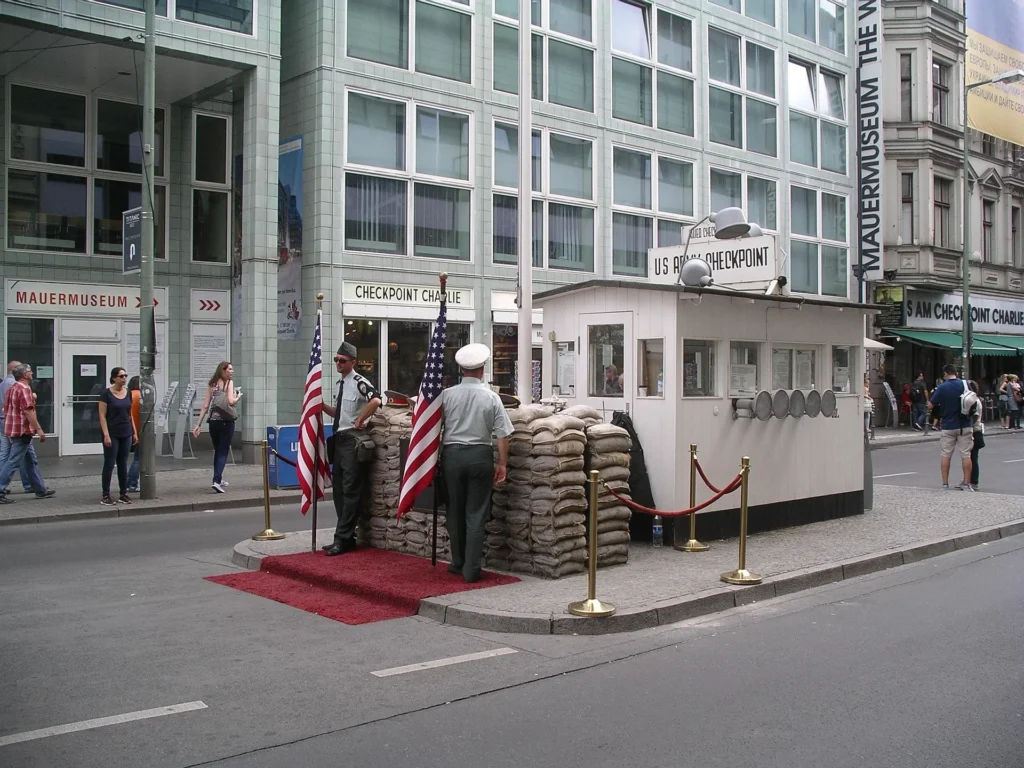
The famous Cold War crossing point between East and West Berlin. Though the original structure is gone, a replica marks the historic spot where tension between superpowers peaked. It’s now a major tourist site with a museum documenting daring escape attempts.
Berlin TV Tower
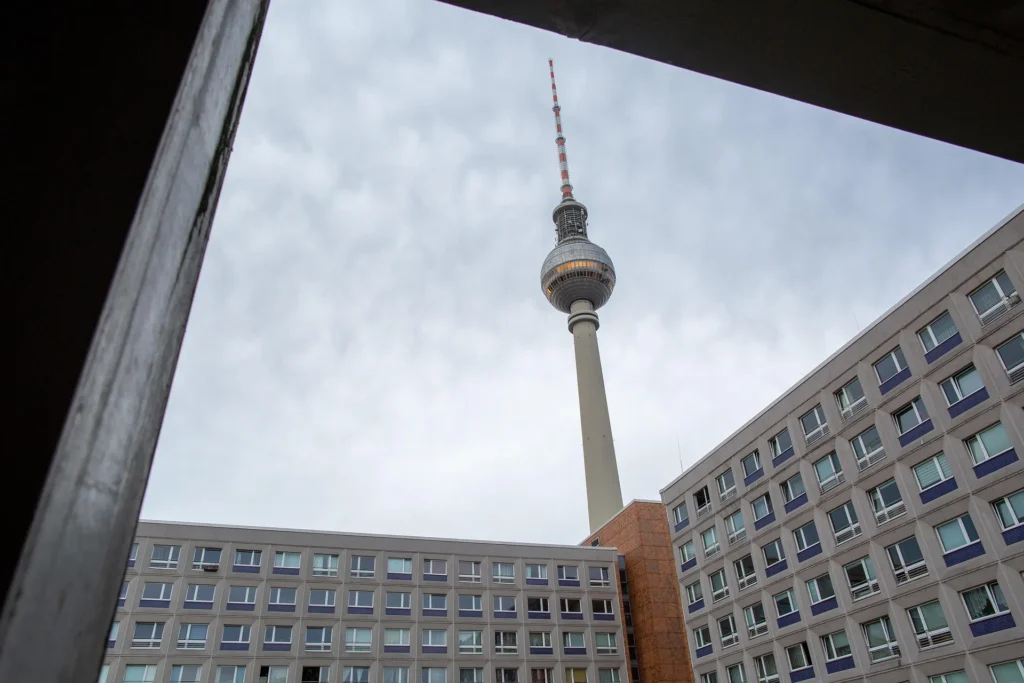
Standing 368 meters tall, this iconic television tower offers 360-degree views of Berlin from its rotating restaurant and observation deck. Built in 1969 during the GDR era, it remains the city’s tallest structure and provides unparalleled perspectives of Berlin’s sprawling landscape.
Reichstag Building
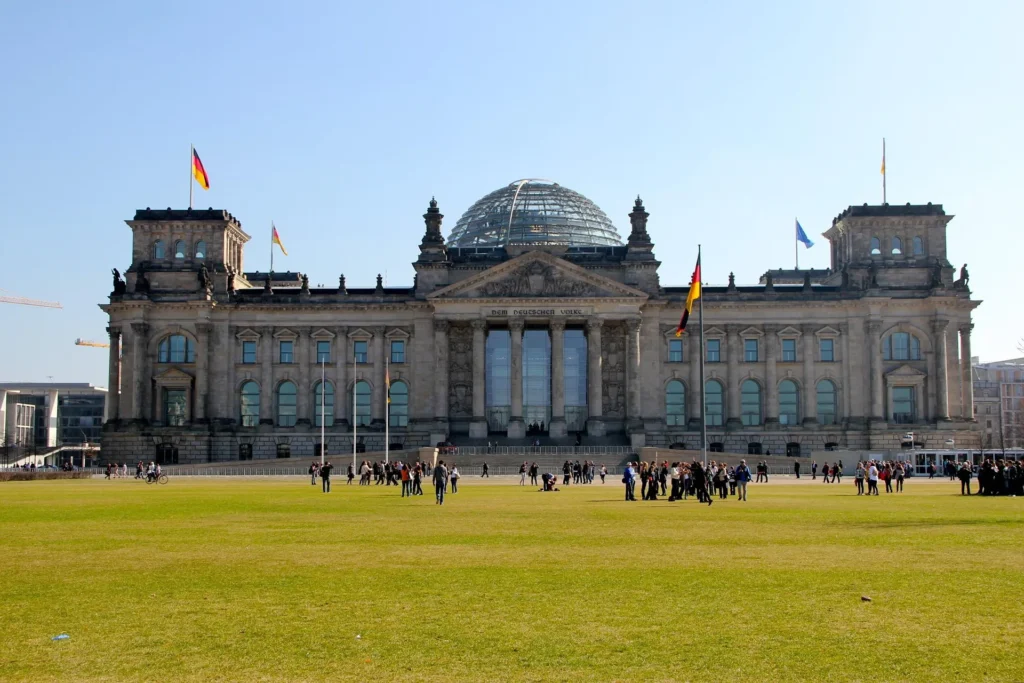
Home to the German Parliament, the Reichstag is famous for its stunning glass dome designed by Norman Foster. Visitors can ascend the dome for panoramic views of Berlin and learn about the building’s complex history, from its 1894 construction through WWII and the Cold War to modern reunification.
Jewish Museum Berlin
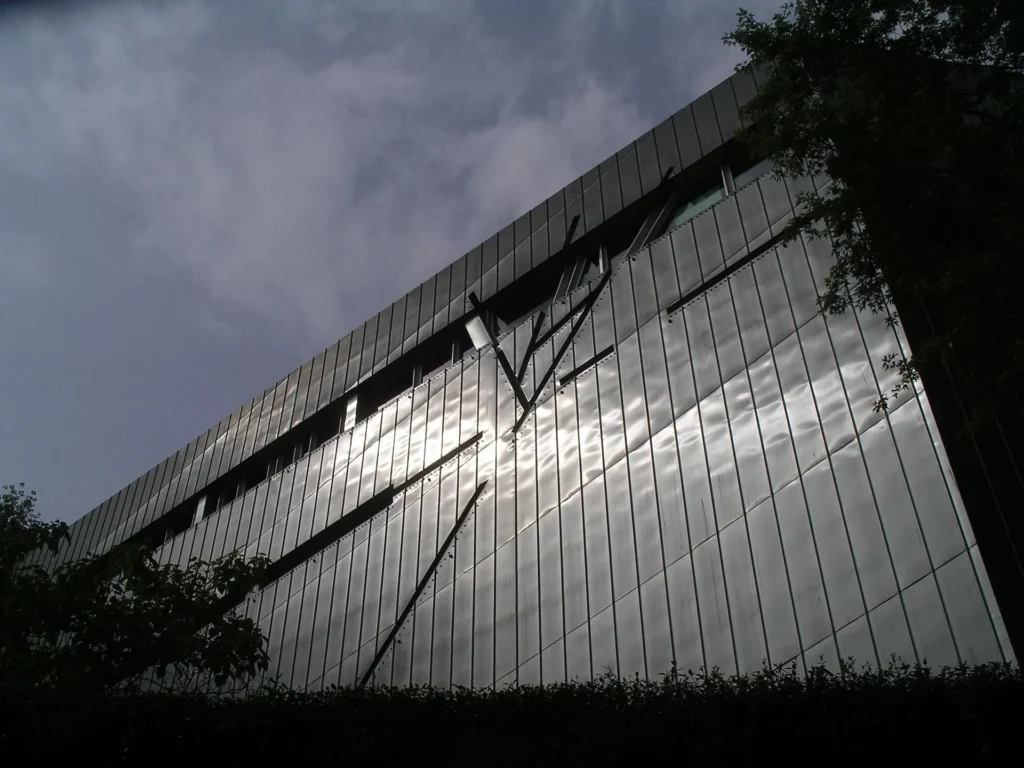
An architecturally striking museum designed by Daniel Libeskind, exploring Jewish history and culture in Germany. Its exhibitions are emotionally powerful, documenting both pre-WWII Jewish life and the Holocaust, making it an essential destination for understanding this crucial historical period.
Brandenburg Gate
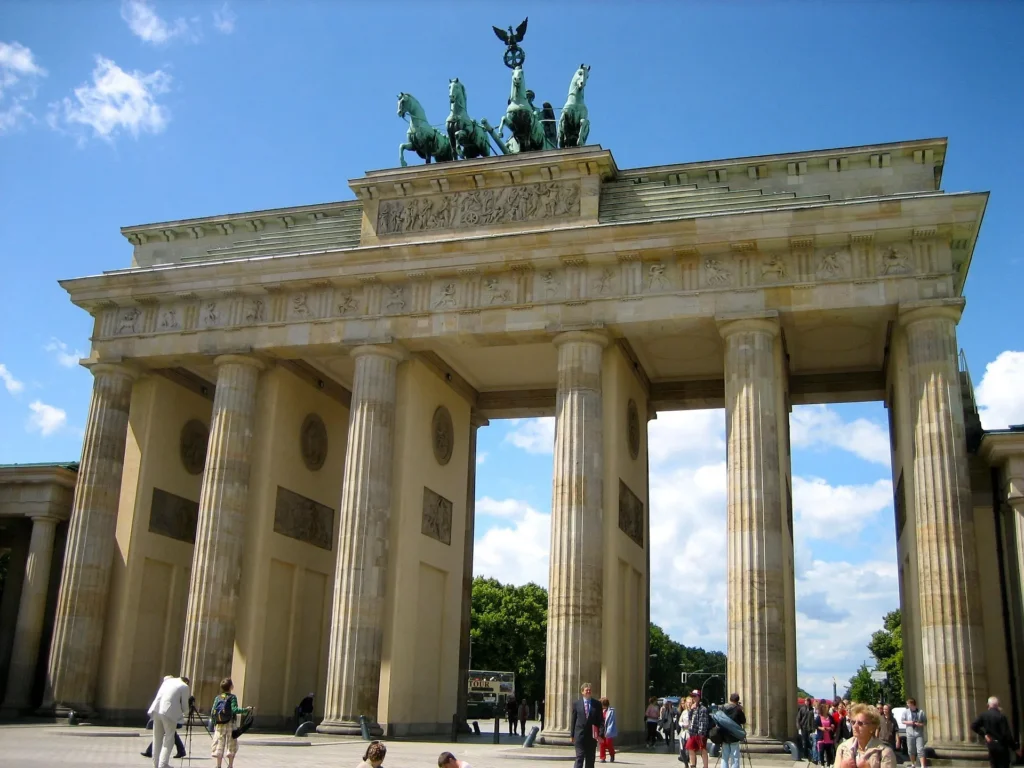
Berlin’s iconic triumphal arch and symbol of German reunification. Built in 1791, this neoclassical monument stands at the heart of the city and marks the boundary between East and West Berlin during the Cold War. It’s one of the most recognisable sights in Berlin and a must-visit destination, offering excellent photo opportunities and historical significance.