
Tokyo
Tokyo is a city of truly endless discovery, offering everything from deeply rooted ancient spiritual sites to ultra-futuristic entertainment hubs. By utilising the incredibly efficient transit systems and eagerly embracing local culinary and cultural customs, visitors can navigate this beautifully complex city with surprising ease. whatever your reasons for visiting Tokyo, whether for business, leisure or exploration, a journey to Japan‘s capital promises profound memories that will undoubtedly last a lifetime.
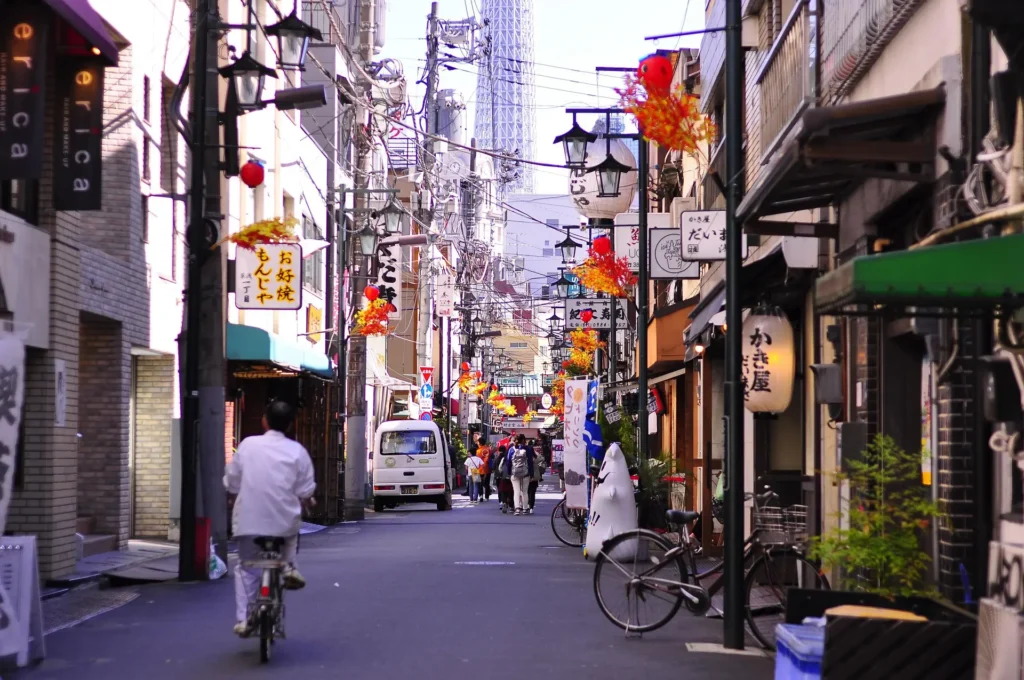
Tokyo is a mesmerising city that blends cutting-edge technology with deeply rooted ancient traditions. For travellers embarking on a journey across the Pacific, researching Tokyo USA flight routes and itineraries is often the first step toward an unforgettable adventure. When you hit the streets of this fascinating, busy city, this sprawling Japanese capital offers a sensory experience unlike any other city on earth.
Travel and Transport
Navigating this massive city begins the moment you touch down. Tokyo is served by two major international hubs: Narita International Airport (NRT) and Haneda Airport (HND). Haneda is significantly closer to the city centre, making it a highly sought-after arrival point for business travellers and tourists seeking immediate city access. Narita, while located further out in Chiba Prefecture, handles the majority of international long-haul flights and offers excellent express train connections.
Once in the city, getting around is incredibly efficient thanks to a world-class public transportation system. The Tokyo Metro and Toei Subway form an extensive underground network that connects virtually every neighbourhood seamlessly. Above ground, the Japan Railways (JR) Yamanote Line runs in a convenient loop around the city centre, hitting major hubs like Shinjuku, Shibuya, and Tokyo Station. Taxis are impeccably clean but notably expensive, and ride-sharing apps offer more limited service compared to what many travellers are used to in the USA.
| Airport | Primary Transport Mode | Estimated Time to City Center | Average Cost |
|---|---|---|---|
| Narita (NRT) | Narita Express (N’EX) | 60 minutes | 20 USD |
| Narita (NRT) | Keisei Skyliner | 45 minutes | 18 USD |
| Haneda (HND) | Tokyo Monorail | 15 minutes | 4 USD |
| Haneda (HND) | Keikyu Airport Line | 20 minutes | 3 USD |
Top 10 Visitor Attractions in Tokyo
- Senso-ji Temple: This ancient Buddhist temple in Asakusa is Tokyo’s oldest and most significant spiritual site, distinguished by its massive red lantern.
- Tokyo Skytree: Towering over the city skyline, this massive broadcasting tower offers unparalleled panoramic views of the entire Kanto region.
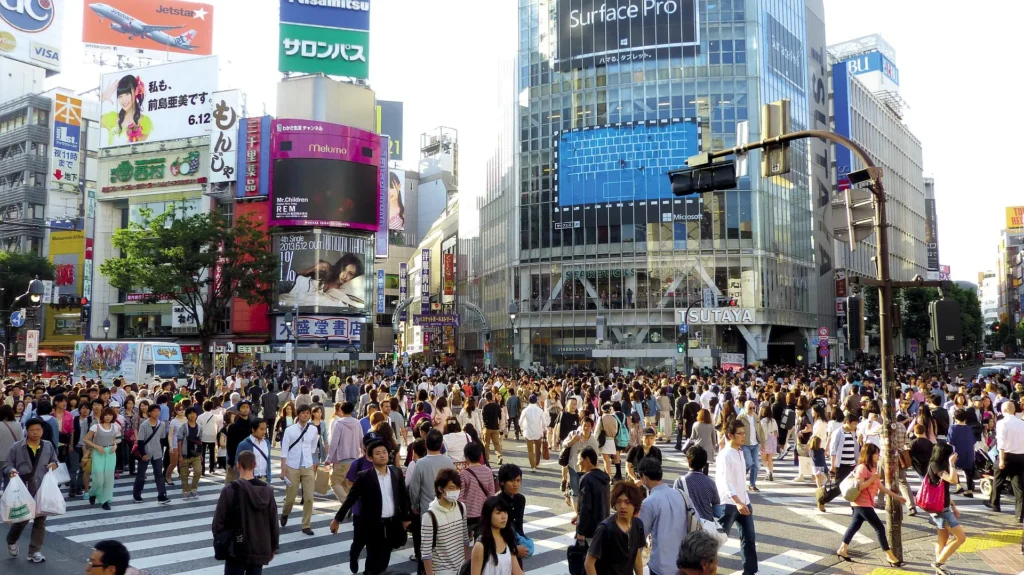
- Shibuya Crossing: Known as the busiest pedestrian intersection in the world, this neon-lit scramble is a mesmerizing spectacle of urban choreography.
- Meiji Jingu Shrine: Nestled within a dense forested park, this tranquil Shinto shrine honors Emperor Meiji and offers a peaceful escape from the relentless city noise.
- Tsukiji Outer Market: A bustling labyrinth of narrow streets offering some of the freshest seafood, premium produce, and finest culinary tools in Japan.
- Shinjuku Gyoen National Garden: This expansive park beautifully blends traditional Japanese, English landscape, and French formal garden designs into a serene urban oasis.
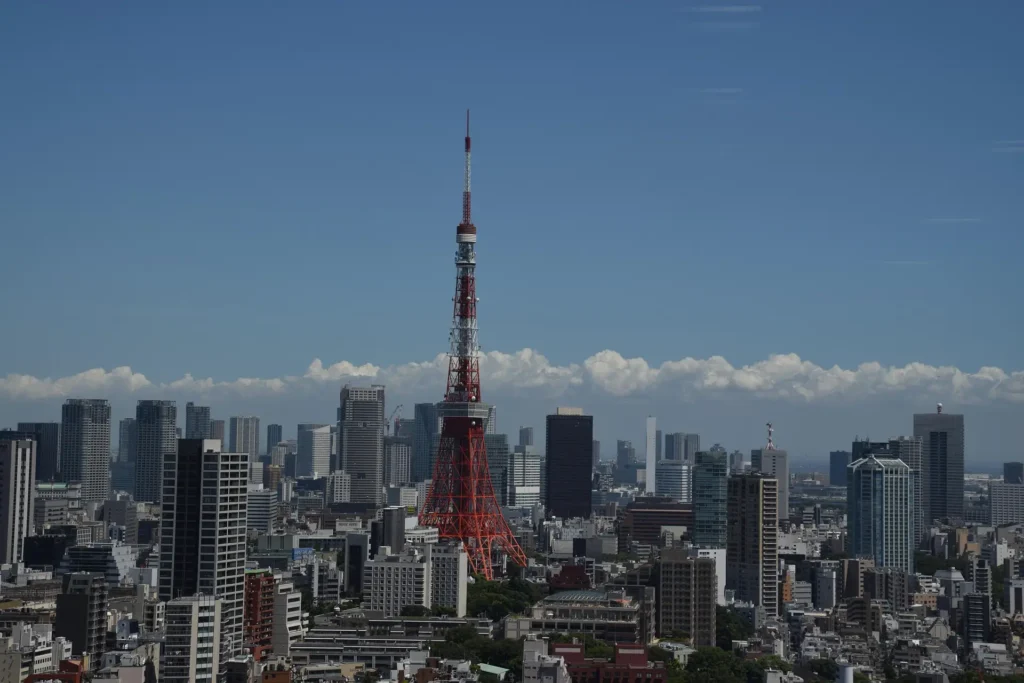
- Tokyo Tower: Inspired by the Eiffel Tower, this vibrant red and white lattice structure remains a beloved symbol of Japan‘s post-war economic rebirth.
- Akihabara Electric Town: The epicentre of otaku culture, this vibrant district is packed with multi-story electronics stores, anime shops, and quirky themed cafes.
- Odaiba: A futuristic entertainment hub situated on a man-made island in Tokyo Bay, featuring interactive museums, expansive shopping malls, and a giant Gundam statue.
- Ueno Park: A massive cultural epicentre boasting beautiful cherry blossoms in the spring, a large zoological garden, and several of Japan’s finest national museums.
Tours and Tickets
Architecture in Tokyo
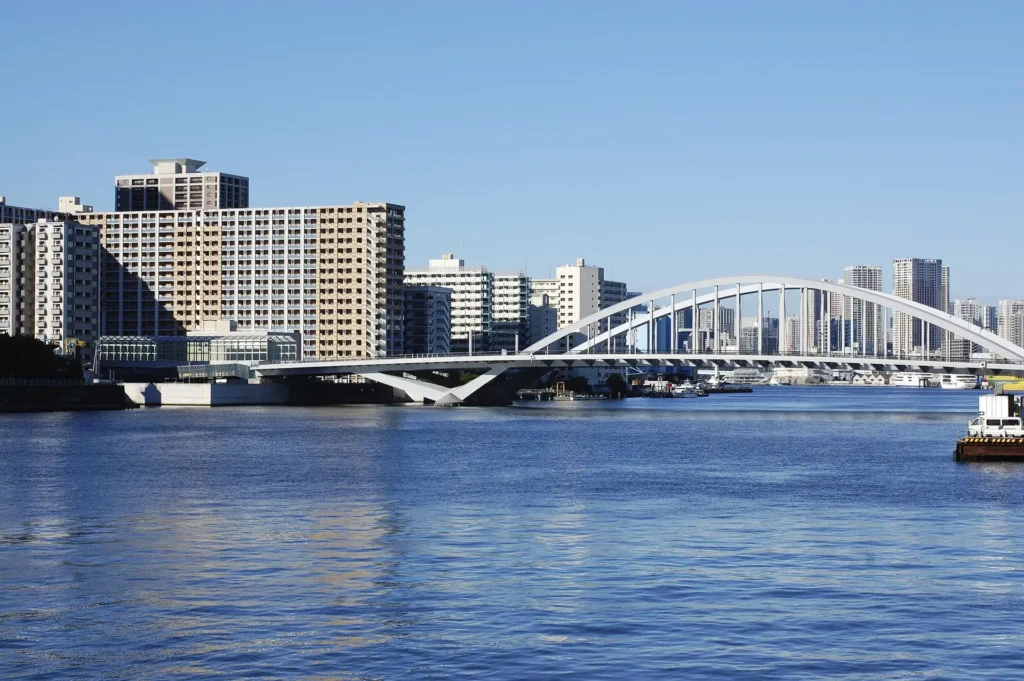
Tokyo’s architectural landscape is a fascinating timeline of frequent destruction and ambitious rebirth. Traditional wooden structures and serene neighbourhood shrines sit remarkably close to soaring glass skyscrapers and brutalist concrete masterpieces. The fundamental aesthetic concept of wabi-sabi, finding beauty in imperfection and transience, subtly influences both ancient tea houses and modern minimalist designs throughout the city’s varied wards.
Food and Dining
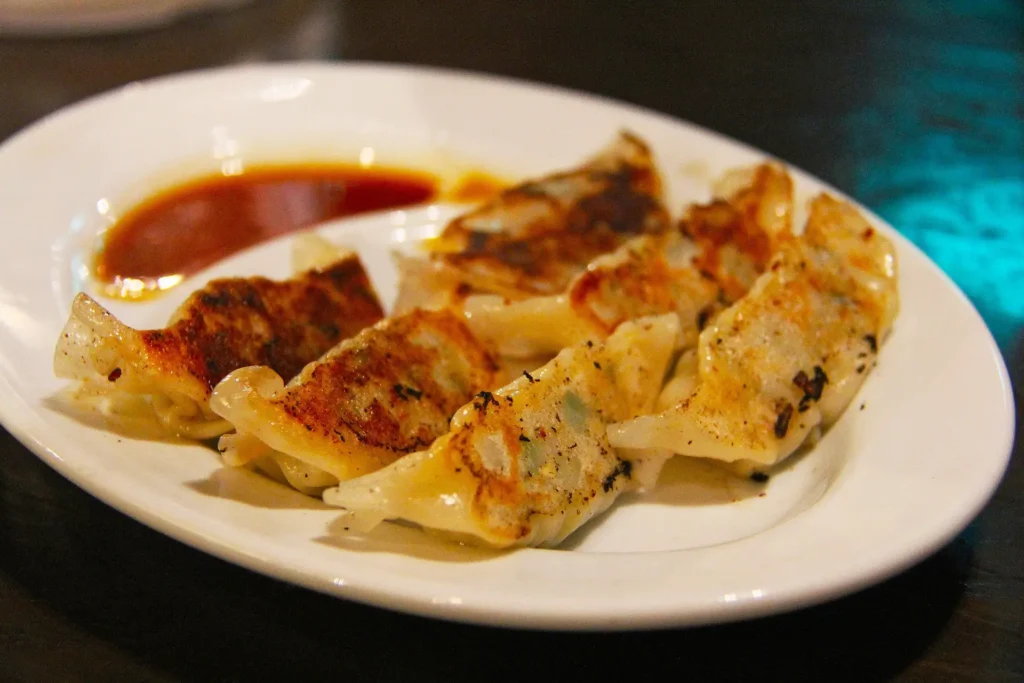
When discussing global dining, Tokyo is undeniably the culinary capital of the world, consistently holding more Michelin stars than any other city. From humble street food stalls serving steaming takoyaki (octopus balls) to high-end omakase (chef’s choice) sushi restaurants, the dining spectrum is incredibly vast and highly specialised. Visitors can comfortably enjoy an outstanding, soul-warming bowl of rich tonkotsu ramen for less than 10 USD, or they can choose to indulge in a multi-course kaiseki dinner that treats seasonal ingredients with intense, almost religious reverence.
The local izakaya (Japanese pub) is the true cultural heart of the city’s food and drinking scene. These lively, often smoke-filled establishments serve ice-cold draft beer, premium regional sake, and endless plates of grilled yakitori skewers to unwind after long work days. For a decidedly more elevated experience, the high-rise luxury hotel bars located in districts like Ginza and Toranomon offer exceptional craft cocktails accompanied by breathtaking, sparkling skyline views.
Entertainment and Nightlife
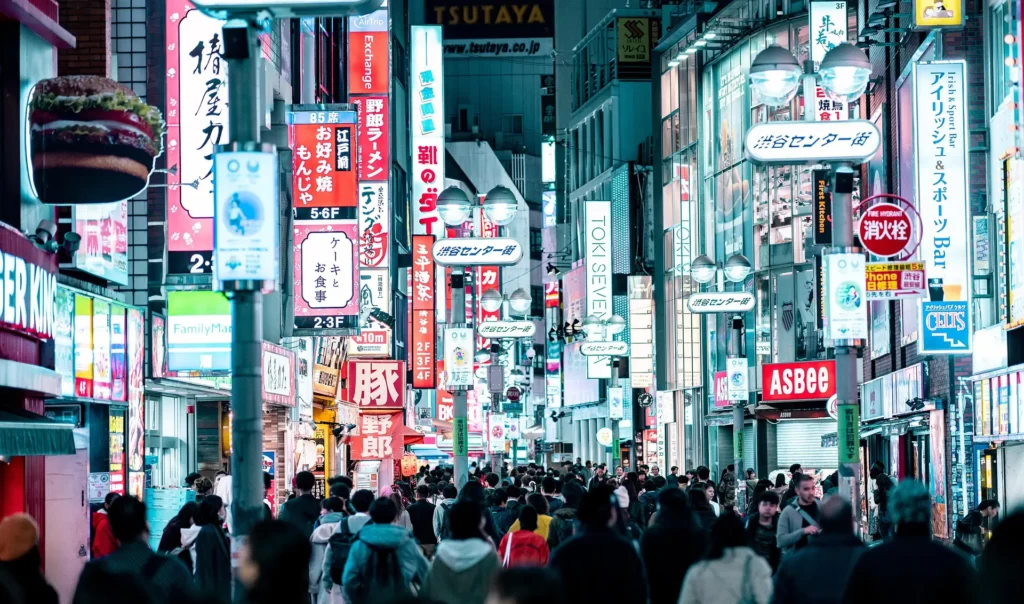
As the sun sets, districts like Shinjuku, Shibuya, and Roppongi completely transform into vibrant, neon-drenched playgrounds. Shinjuku’s Kabukicho area confidently holds the title of Japan’s largest entertainment district, packed with countless bars, nightclubs, and late-night eateries that stay open until dawn. Alternatively, the tiny, atmospheric alleys of Shinjuku’s Golden Gai offer a much more intimate drinking experience in bite-sized, themed bars that typically seat only a handful of patrons at a time.
Currency and Money
For international visitors actively planning a trip, monitoring the exchange rate is wise, as it frequently makes the journey surprisingly affordable when converting USD to Japanese Yen. It is crucial to remember that despite its high-tech image, Japan remains a heavily cash-based society in many respects. Carrying physical yen is highly recommended, especially when visiting smaller vendors, local markets, or rural outskirts. Tipping is completely uncustomary in Japan and can even be considered rude; exceptional service is simply expected as the unwavering standard across all industries.