
Toronto Travel Guide
Everything You Need to Know about Toronto Before You Visit
Toronto is a modern and cosmopolitan city, with everything that this suggests – shopping districts, fine dining, a vibrant theatre and music scene, and much more.
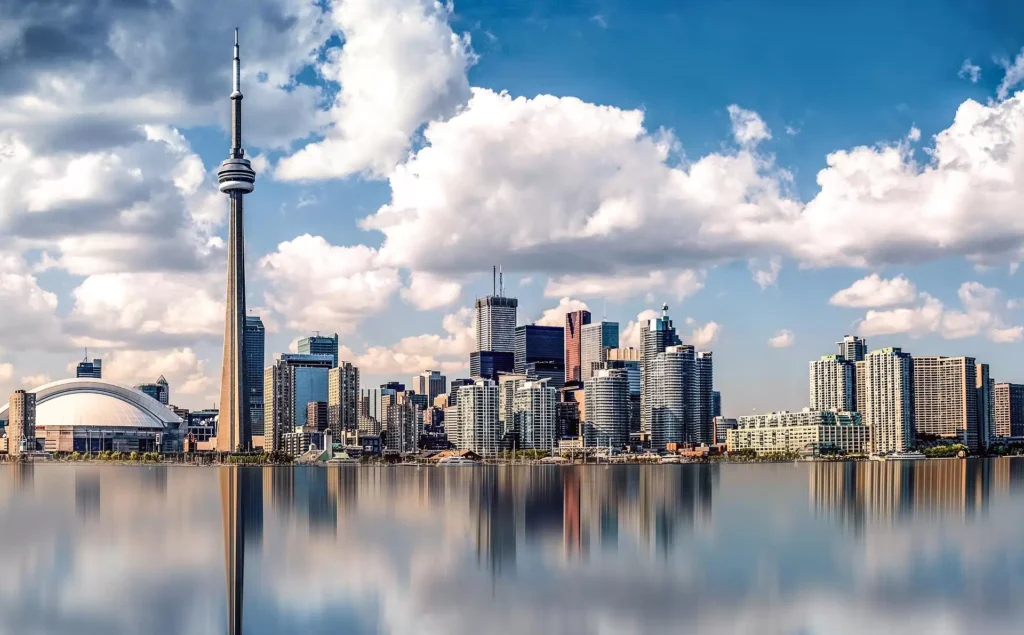
Located on the northwestern shore of Lake Ontario, Toronto is Canada’s largest metropolis and one of the most culturally diverse cities on Earth. Known for its soaring skyline punctuated by the iconic CN Tower, sprawling lakefront parks, and distinct heritage neighbourhoods, Toronto effortlessly blends big-city energy with quintessential Canadian warmth. Whether you are planning a weekend city break or a week-long exploration, this comprehensive guide will help you navigate Ontario’s vibrant capital with ease.
Visiting Toronto: What Makes the Queen City Special?
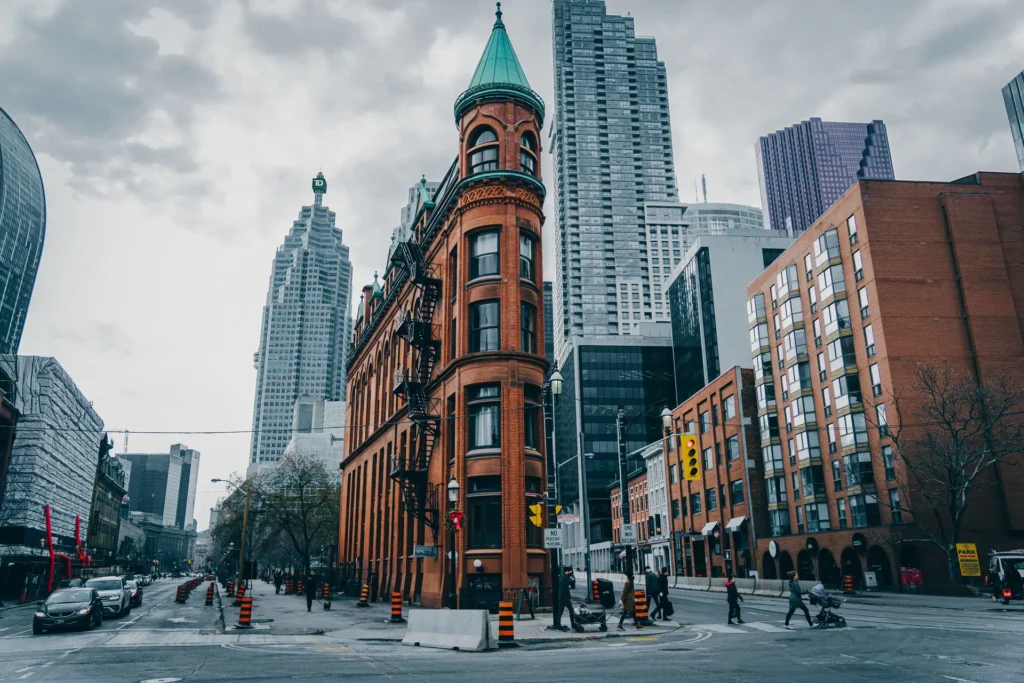
Toronto is a dynamic urban tapestry composed of over 150 distinct neighbourhoods, where dozens of cultural identities thrive side by side. What sets the city apart from other global hubs is its balance: within minutes of walking through sleek financial high-rises, you can find yourself browsing indie boutiques in converted Victorian brick houses or lounging on a freshwater beach. It is a city that feels safe, accessible, and endlessly layered, offering world-class arts, championship sports, and green escapes right along the waterfront.
How to Get There
Reaching Toronto is straightforward, thanks to its role as Canada’s primary transportation gateway.
By Air
- Toronto Pearson International Airport (YYZ): Located roughly 25 kilometers northwest of Downtown, Pearson is Canada’s busiest international hub, serving direct flights from major cities across North America, Europe, Asia, and Latin America. From Pearson, the Union Pearson (UP) Express train whisks travelers directly into downtown Union Station in just 25 minutes.
- Billy Bishop Toronto City Airport (YTZ): Situated on the Toronto Islands just off the downtown core, this compact regional airport serves regional flights from cities across eastern Canada and the northeastern United States. Arriving passengers can walk directly into downtown via an underground pedestrian tunnel.
By Train and Bus
Via Rail operates frequent passenger rail routes connecting Toronto with Montreal, Ottawa, Windsor, and points across Canada, arriving at the historic Union Station. Major coach operators such as Megabus and FlixBus run routes linking Toronto with regional hubs and neighbouring US cities, terminating at the Union Station Bus Terminal.
By Car
The city connects directly to southern Ontario and the United States via major expressways, including Highway 401 and the Queen Elizabeth Way (QEW). Be prepared for heavy commuter traffic during morning and evening rush hours.
Getting Around the City
Toronto’s grid layout makes navigating simple, whether you choose public transit, two wheels, or your own two feet.
Public Transit (TTC)
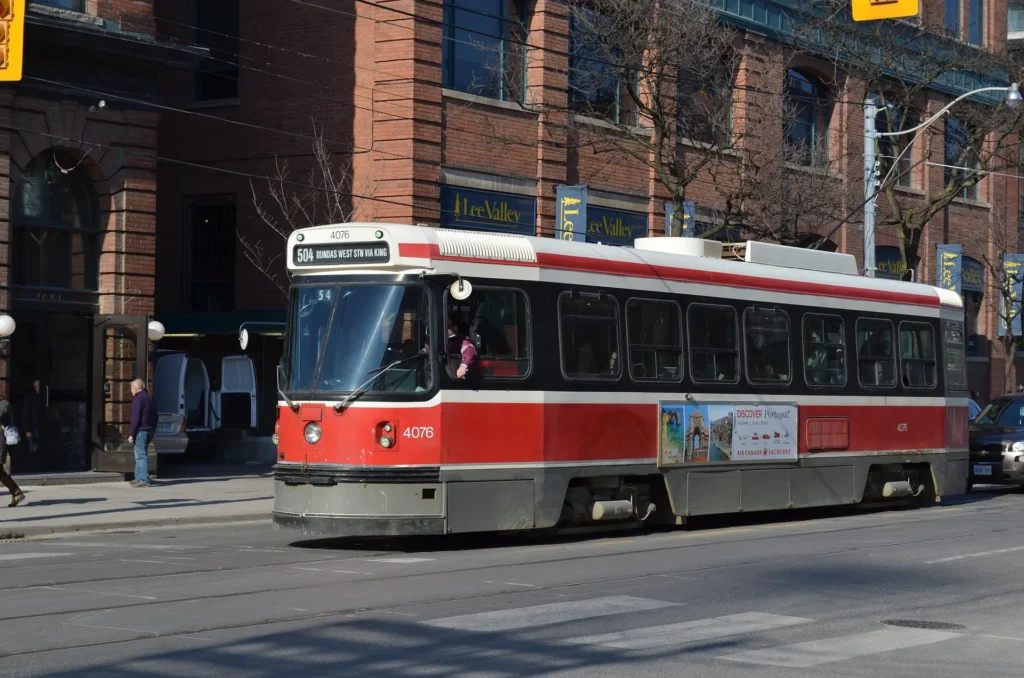
The Toronto Transit Commission (TTC) operates an extensive network of subways, streetcars, and buses.
- Two main subway lines (Line 1 Yonge-University and Line 2 Bloor-Danforth) form the backbone of transit across the core.
- Historic and modern streetcars provide scenic east-west street-level routes along major corridors like Queen, King, and Spadina.
- Fares can be paid using a PRESTO contactless card, debit/credit tap, or mobile wallet directly at station fare gates and on board vehicles.
Walking and Cycling
Downtown Toronto is very walkable, featuring wide sidewalks and pedestrian-friendly crosswalks. The city also operates Bike Share Toronto, with thousands of pedal and electric bicycles stationed throughout the urban core and along dedicated lanes on streets like Richmond, Adelaide, and Bloor.
Tours and Tickets
The PATH
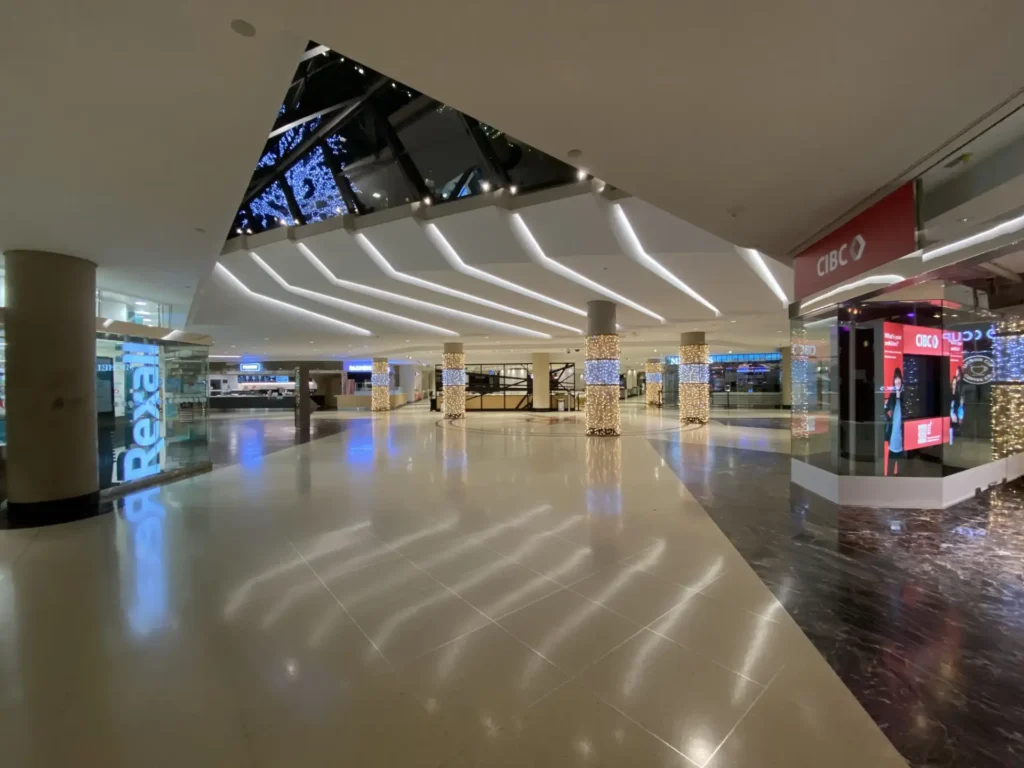
During winter or wet weather, take advantage of the PATH: an underground pedestrian network spanning over 30 kilometres of walkways, retail shops, and transit connections beneath the Financial District.
Find Accommodation in Toronto
Top 5 Visitor Attractions in Toronto
- CN Tower: Standing at 553 meters, this iconic engineering marvel offers panoramic observation decks, a glass floor, and the thrilling outdoor EdgeWalk experience high above the city.
- Royal Ontario Museum (ROM): Canada’s premier museum showcases art, world culture, and natural history across striking galleries housed within a bold architectural blend of historic stone and Daniel Libeskind’s modern crystalline structure.
- Ripley’s Aquarium of Canada: Located right at the base of the CN Tower, this immersive aquatic facility features a moving walkway through an underwater tunnel surrounded by sharks, sea turtles, and stingrays.
- Art Gallery of Ontario (AGO): Redesigned by renowned architect Frank Gehry, the AGO holds more than 120,000 works of art, ranging from extensive Indigenous Canadian collections to European masterpieces and modern installations.
- St. Lawrence Market: Recognised among the world’s top food markets, this historic 19th-century venue features dozens of specialty vendors serving fresh produce, artisanal cheeses, and famous local specialities like the peameal bacon sandwich.
Read more about Attractions in Toronto for Visitors
Weather & Best Time to Visit
Four Seasons in Toronto
What to expect from the city’s weather — and the best way to enjoy each season.
Spring
Blooming greenery and warming air after winter’s thaw. A refreshing shoulder season with smaller crowds and lower hotel rates.
Summer
Warm and sunny festival season. Patios, harbour cruises and island beaches are at their liveliest.
Autumn
Crisp days, lower humidity and vivid fall foliage across the city’s ravines and parks. An ideal time for sightseeing.
Winter
Cold and brisk with occasional snowfall. Downtown glows with skating rinks and holiday markets.
Toronto experiences four distinct seasons, each offering a different character:
- Summer (June to August): Warm to hot, with temperatures averaging between 24°C and 30°C (75°F to 86°F). This is festival season, when patios, harbor cruises, and island beaches are at their liveliest.
- Fall (September to November): Crisp days, lower humidity, and striking autumn foliage throughout the city’s ravines and parks. Daytime highs range from 10°C to 20°C (50°F to 68°F), making it an ideal time for sightseeing.
- Winter (December to March): Cold and brisk, with temperatures often hovering between -2°C and -10°C (14°F to 28°F) alongside occasional snowfall. Downtown transforms into a hub of outdoor skating rinks (like Nathan Phillips Square) and holiday markets.
- Spring (April to May): A refreshing shoulder season with blooming greenery and warming temperatures, perfect for travelers seeking smaller crowds and lower accommodation rates.
Culture and Neighbourhoods
Toronto’s cultural vibrancy stems directly from its communities. Exploring Toronto means stepping from one unique enclave into another:
- Yorkville: Once the epicentre of 1960s counterculture and folk music, Yorkville is now the city’s high-end fashion and luxury dining district.
- Queen Street West & West Queen West: Consistently ranked among the world’s coolest neighbourhoods, this strip is packed with contemporary art galleries, indie fashion brands, and cocktail lounges.
- Chinatown & Koreatown: Vibrant culinary and shopping hubs offering everything from handmade dumplings and bubble tea to Korean barbecue and specialty grocers.
- The Danforth (Greektown): A lively stretch filled with family-run tavernas, bakeries, and lively street life.
- The Village (Church-Wellesley): The historic and vibrant heart of Toronto’s LGBTQ+ community, bustling with welcoming bars, community hubs, and events year-round.
Toronto is also home to a world-class theatre district along King Street West, rivalled only by New York and London, and hosts major cultural celebrations like the Toronto International Film Festival (TIFF) every September.
Dining Out: A Global Culinary Capital
Eating in Toronto is a tour around the globe. Because roughly half of the city’s population was born outside Canada, authentic international cuisine is woven into daily life.
- Signature Bites: Do not leave without trying a peameal bacon sandwich from Carousel Bakery at St. Lawrence Market, or a bowl of Toronto-style momos in Parkdale.
- Fine Dining: Toronto features its own Michelin Guide, celebrating refined dining rooms that showcase seasonal Ontario produce alongside modern Cantonese, contemporary French, and Italian cuisine.
- Patio Culture: When the weather warms up, Toronto transforms into a patio-first city. Sidewalks and rooftop terraces fill up across King West, Ossington Avenue, and the waterfront.
Essential Travel Tips for First-Time Visitors
- Currency: The local currency is the Canadian Dollar (CAD). Credit and debit cards with contactless payment are accepted almost everywhere, including public transit and taxis.
- Sales Tax & Tipping: In Ontario, a 13% Harmonised Sales Tax (HST) is added to most goods and services at checkout. Tipping is standard practice; 15% to 20% is customary in sit-down restaurants, bars, and for cab drivers.
- Safety: Toronto is consistently ranked among the safest major metropolitan areas in North America. Standard urban common sense applies, especially around late-night entertainment hubs and major transit stations.
- Day Trips: If you have extra time, Niagara Falls is just a 90-minute drive or direct GO Train ride away, while the wine country of Niagara-on-the-Lake and Prince Edward County makes for an easy getaway.
Toronto is a city that welcomes every visitor with open arms and endless variety.