
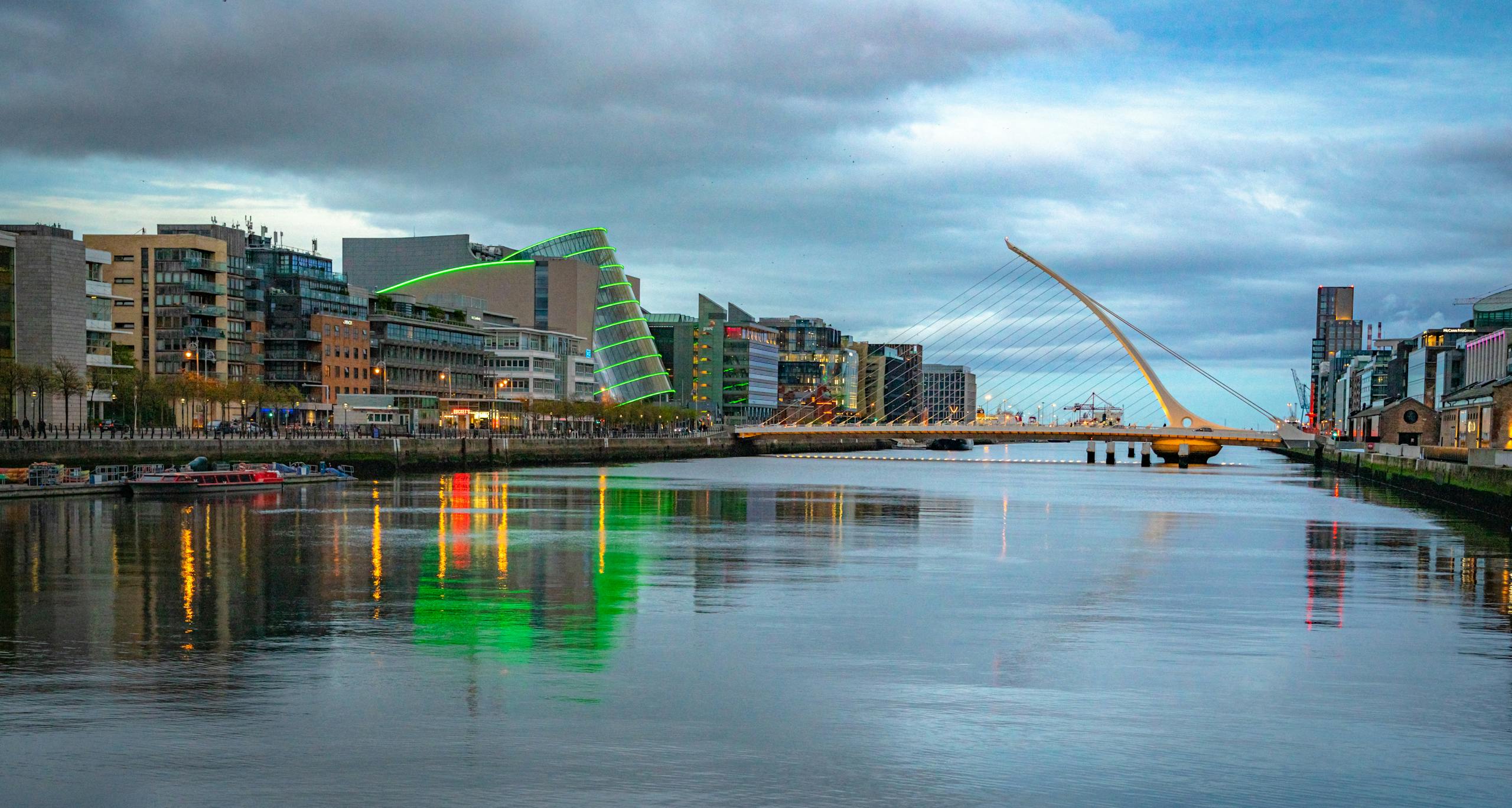
Information About Dublin Ireland
Dublin is Ireland’s capital city and cultural centre, boasting a vibrant and youthful nightlife, with an acclaimed pub culture.
Also famous for its role in the literary and dramatic arts, this city has been home to the likes of WB Yeats, George Bernard Shaw, Samuel Beckett and James Joyce, to name but a few, and many literary exhibitions and events reflect this rich heritage.
While retaining much of its old architecture, customs and traditions, the city has become a modern, vibrant multicultural metropolis full of diverse and interesting shops, restaurants, pubs and venues.
Historic Dublin City Centre
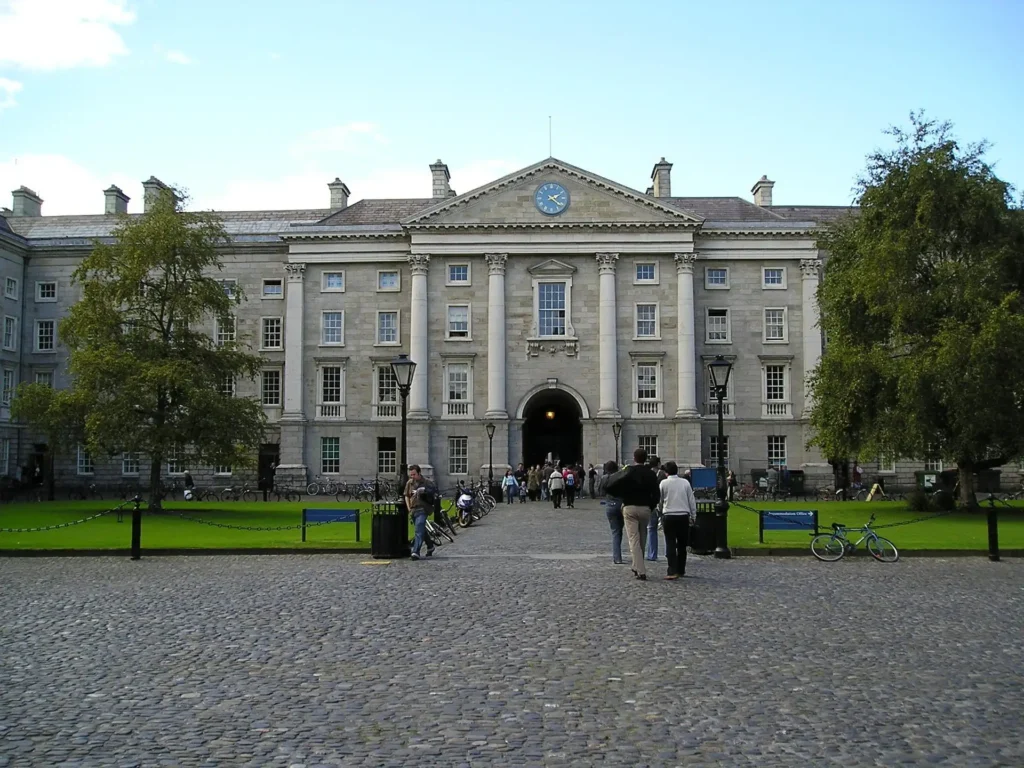
The centre of the city is quite compact and many of the capital’s historic monuments and visitor attractions are within easy walking distance. The most interesting historic buildings including the GPO (General Post Office), Trinity College, Dublin Castle and Christ Church Cathedral can be explored in half a day.
The main shopping areas of Grafton Street and Henry Street are within 5 minutes walk of each other and the famous entertainment and cultural area of Temple Bar is nearby.
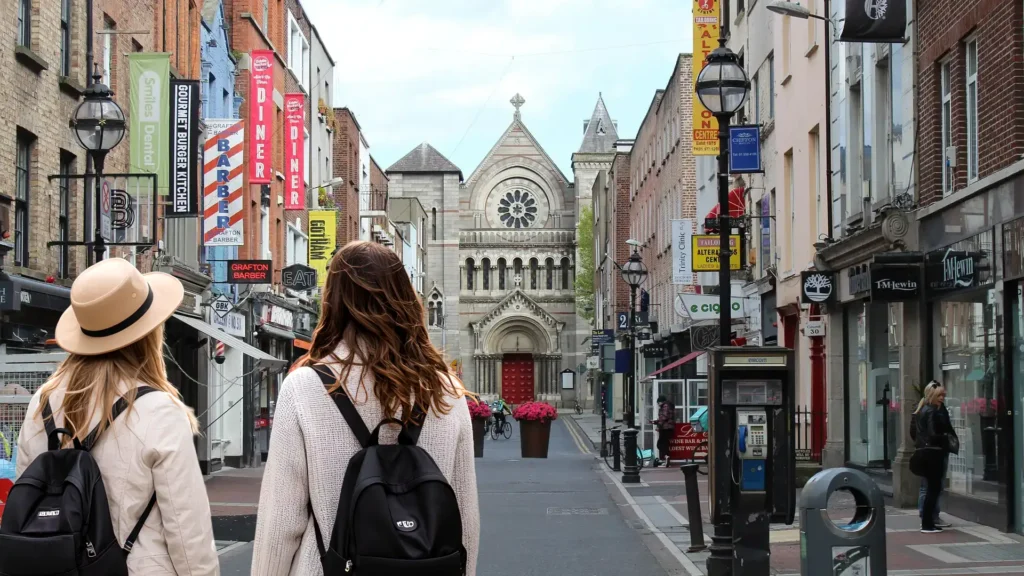
Visiting Dublin Ireland
There are so many different reasons to visit this great city in Ireland. There are quite a few cities throughout the world called Dublin but this is ‘the original and the best’.
It is a city full of history, culture, literary tradition and music.
It has a young diverse population full of energy bringing a vibrant atmosphere which enriches the commercial and entertainment sectors of the city.
Visitors to the city will never lack in opportunities to do business, or the eat, drink and find entertainment and relax.
Pubs, clubs, theatres and venues abound in this city and the visitor will never be without some form of entertainment.
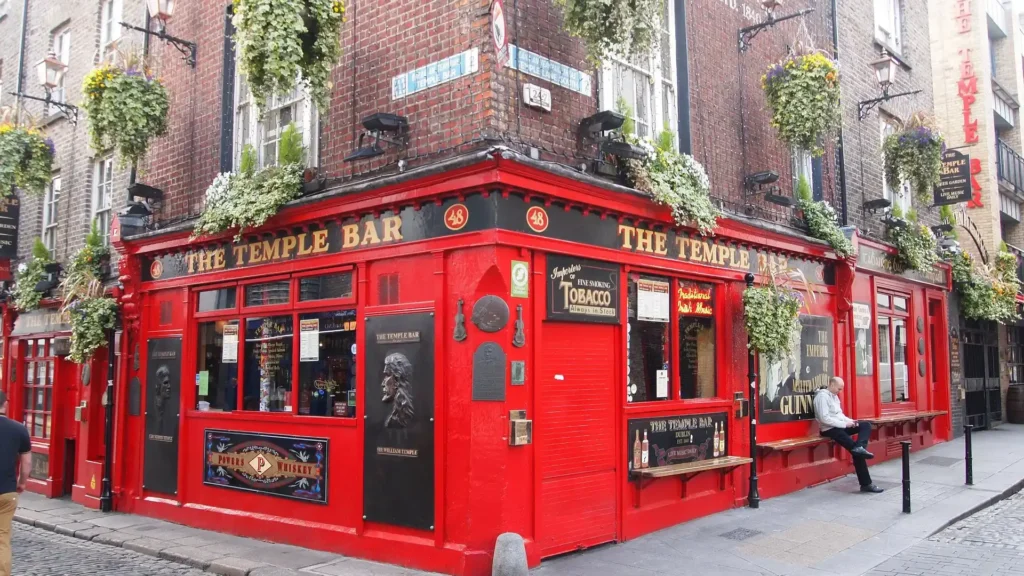
Visitors who want to experience the atmosphere of the city’s nightlife will find it all in The Temple Bar District which is a mainly pedestrian area full of restaurants, small shops, pubs and music venues.
Tickets and Tours
Scenes of Dublin
Click on the images for more views of the city
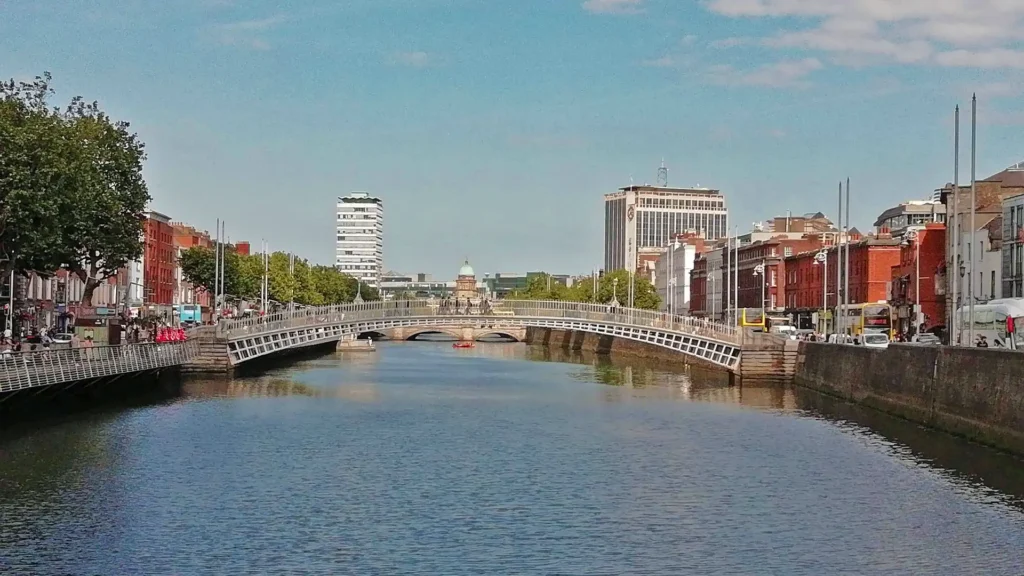
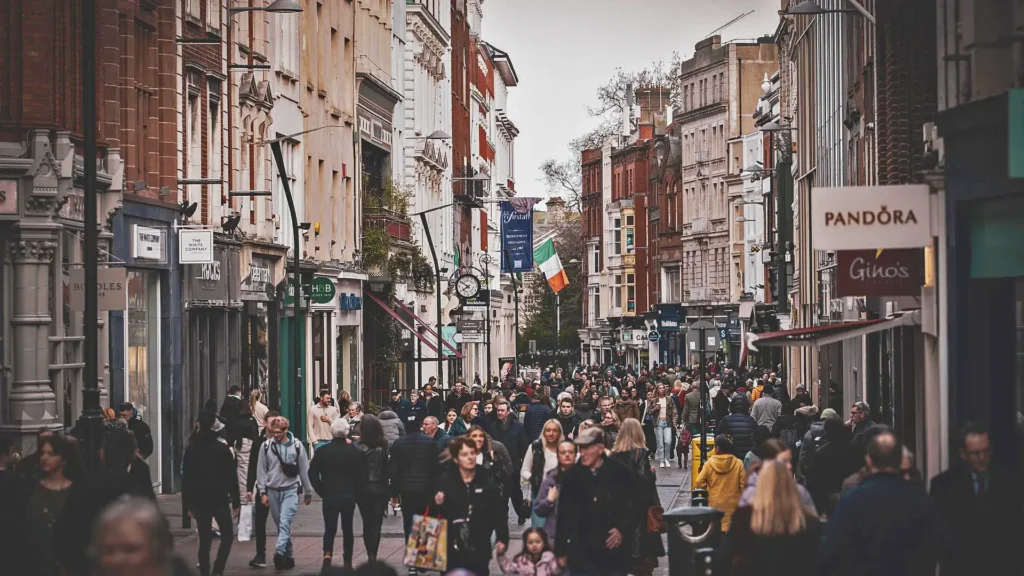
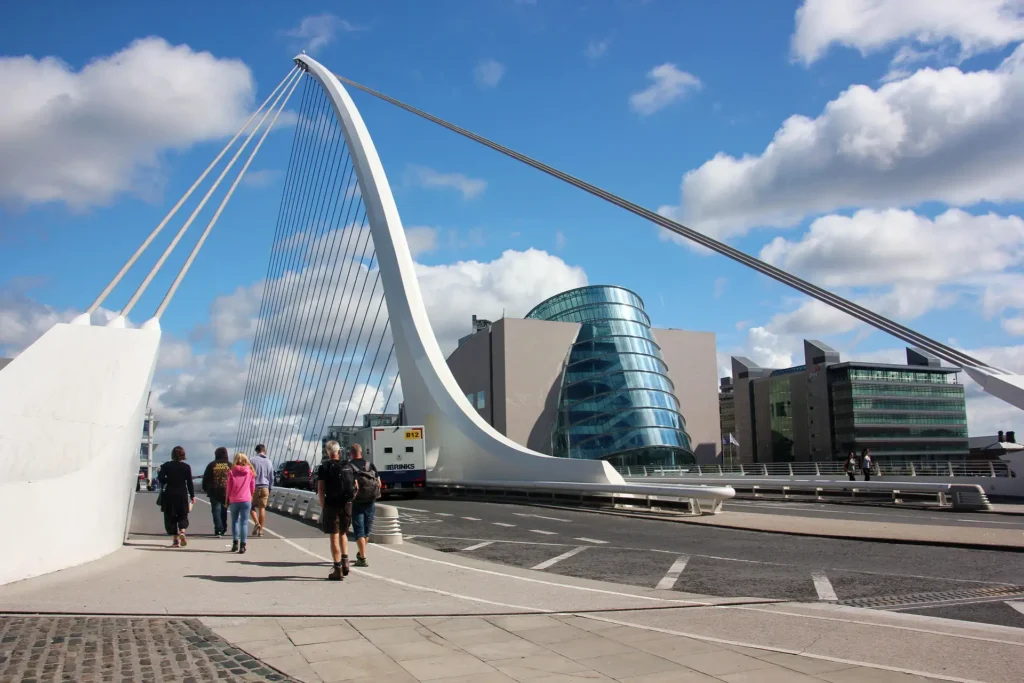
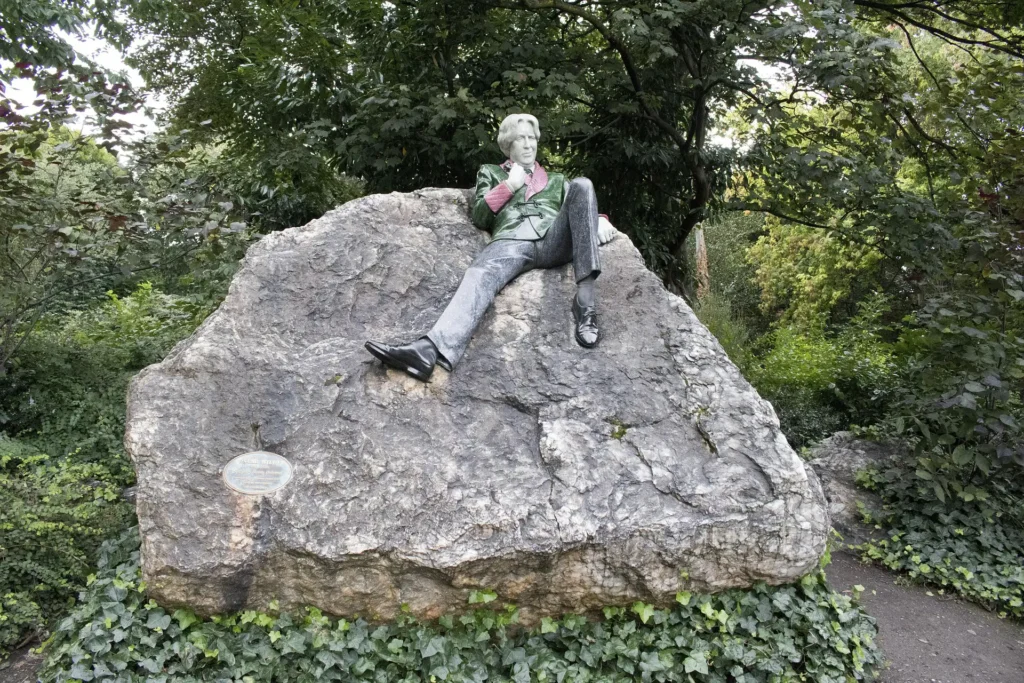
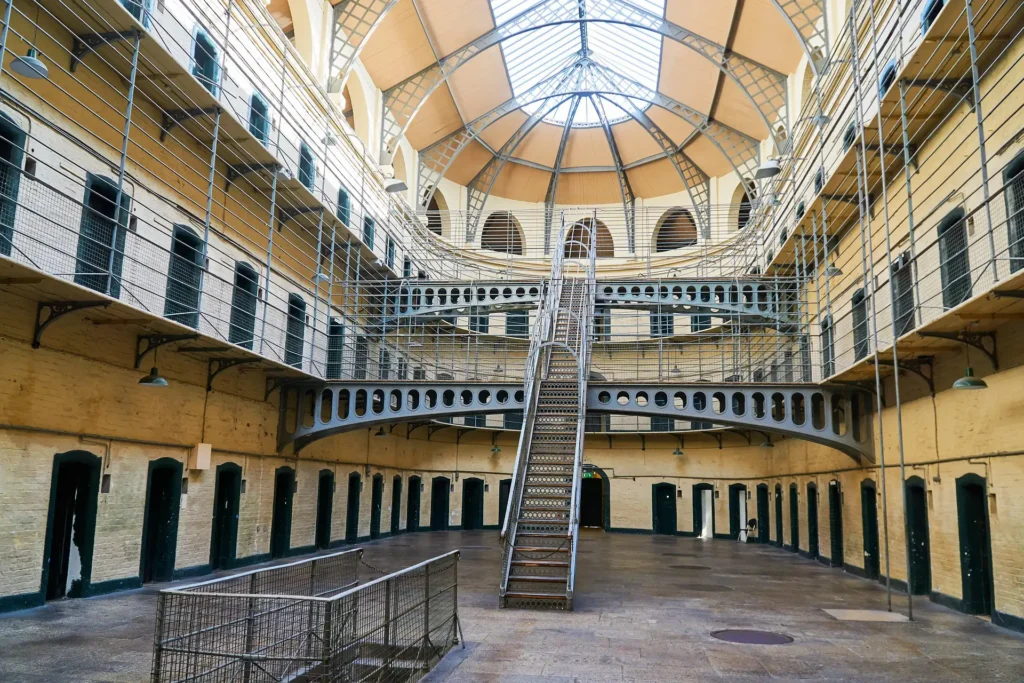
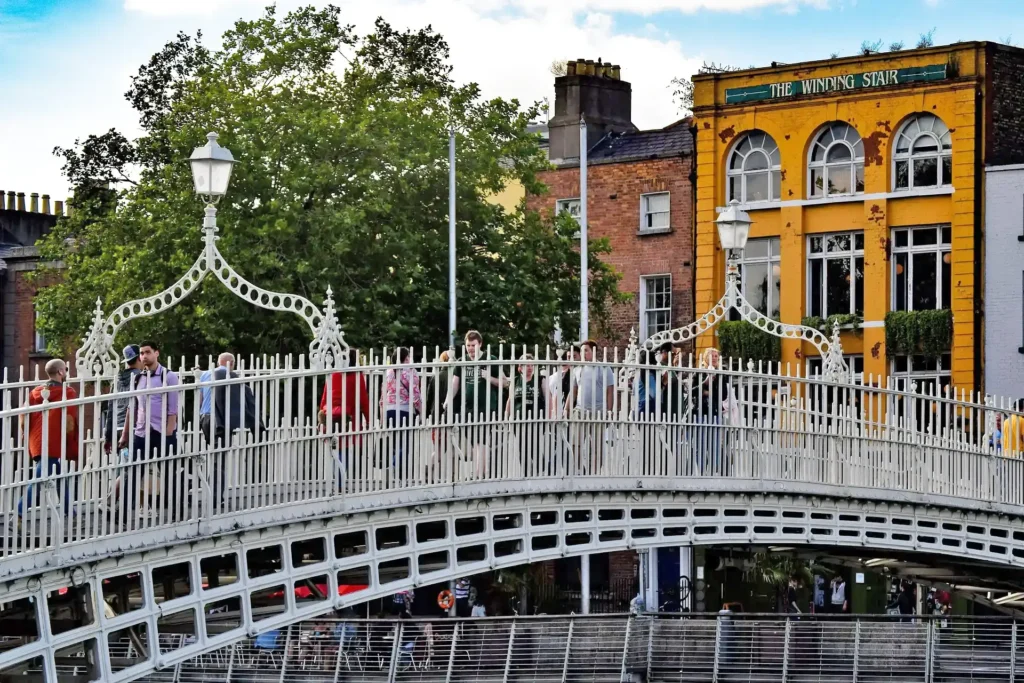
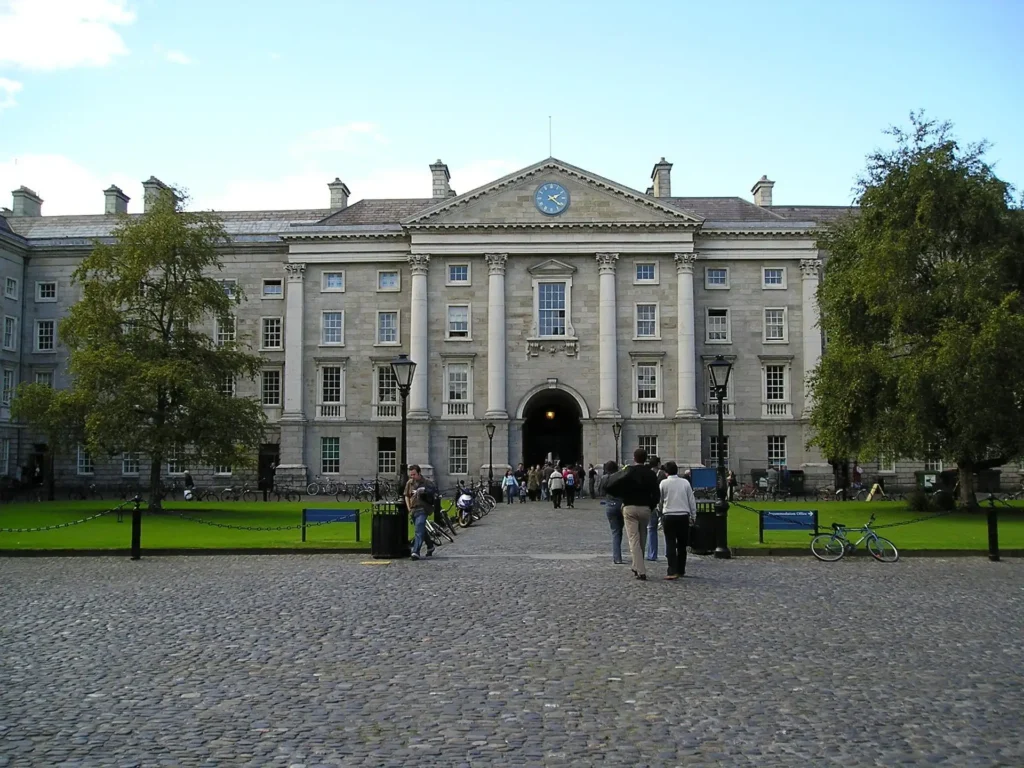
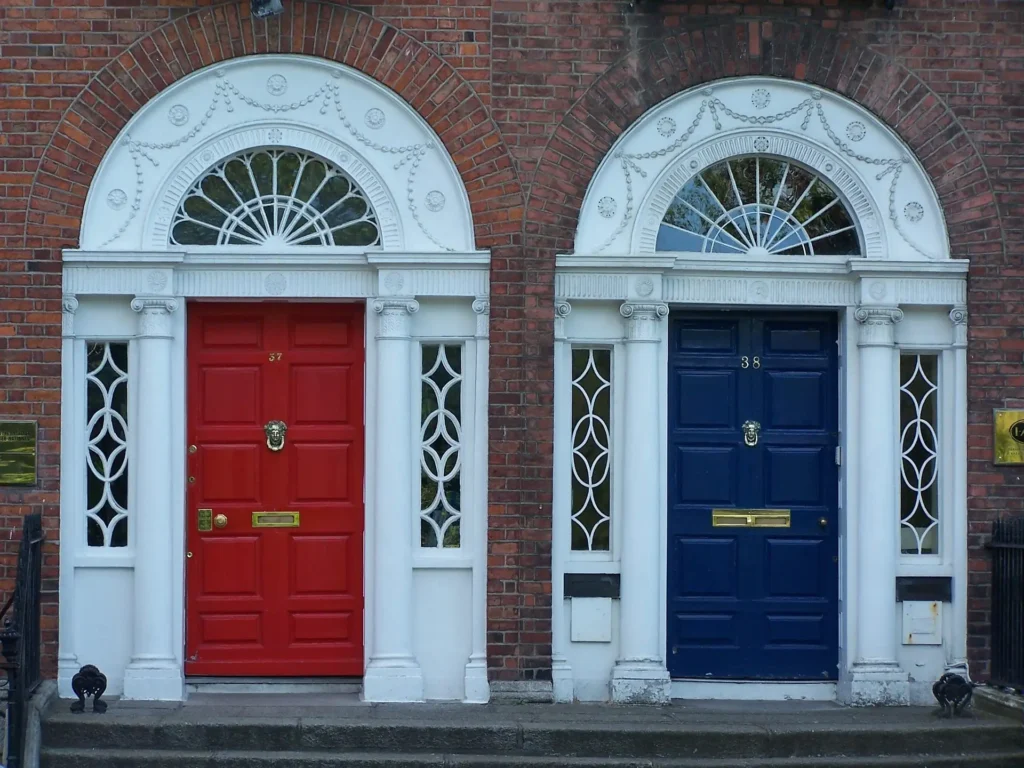
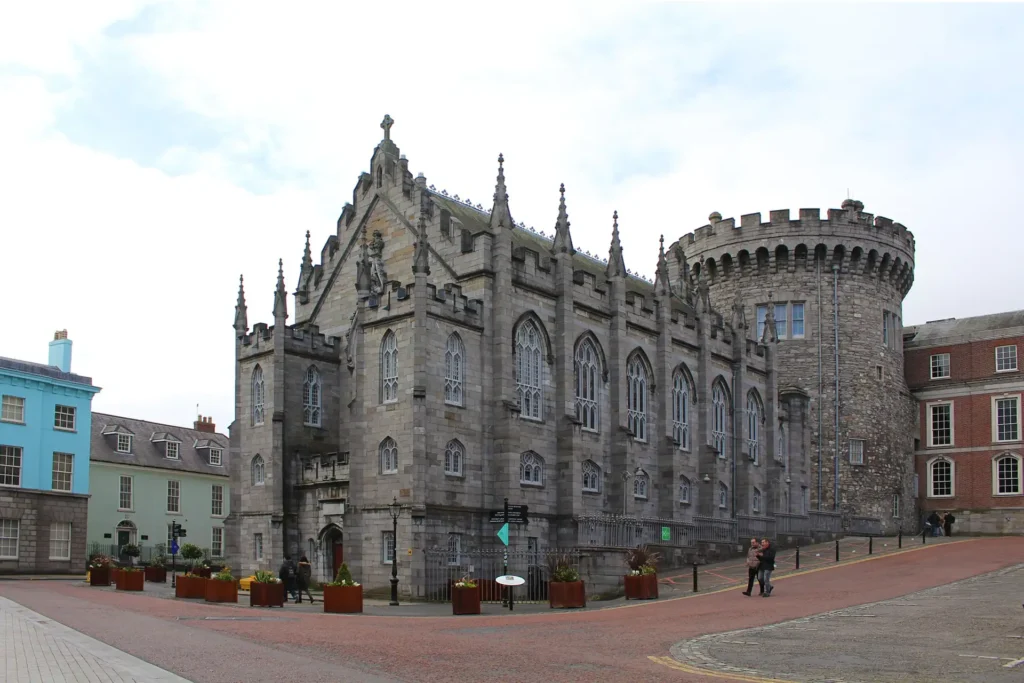
You can see many of the city’s historic sites and visitor attractions on a Guided Walking Tour of Dublin.
Another great way of easily getting to the top attractions is by using the City Sightseeing Hop On Hop Off Bus Tour which stops at most of the best places to see.
Top 10 Visitor attractions in Dublin
- Trinity College & the Book of Kells: Ireland’s oldest university houses this illuminated 9th-century Gospel manuscript.
- Guinness Storehouse: Explore the story of Ireland’s famous stout through interactive exhibits ending with a complimentary pint in the Gravity Bar.
- Dublin Castle: A 13th-century fortress turned government offices, with medieval crypts, opulent State Apartments, and the Chester Beatty Library.
- St. Patrick’s Cathedral: Founded in 1191, this Gothic cathedral honours Ireland’s patron saint and features a memorial to Jonathan Swift.
- Kilmainham Gaol: A former prison-turned-museum where many leaders of the 1916 Easter Rising were held.
- Temple Bar District: The city’s cultural quarter, famous for its lively pubs, art galleries, cobbled lanes, and nightly traditional music sessions.
- National Museum of Ireland (Archaeology): Home to Celtic treasures like the Ardagh Chalice and the 8,000-year-old Bog Bodies.
- Phoenix Park: One of Europe’s largest enclosed parks, featuring the Zoo, Áras an Uachtaráin (the President’s residence), and free-roaming deer.
- Ha’penny Bridge: This elegant 19th-century pedestrian iron bridge spans the River Liffey and is an enduring Dublin icon.
- Howth Peninsula – A scenic coastal retreat just north of the city, with cliff walks, a lively fishing village with some great seafood restaurants.
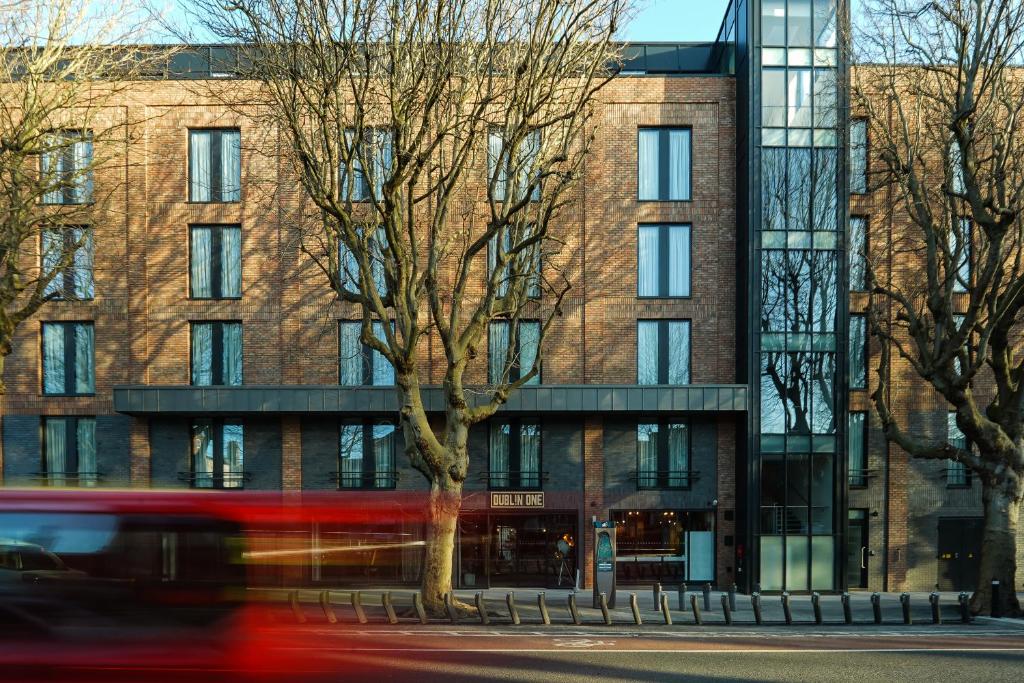
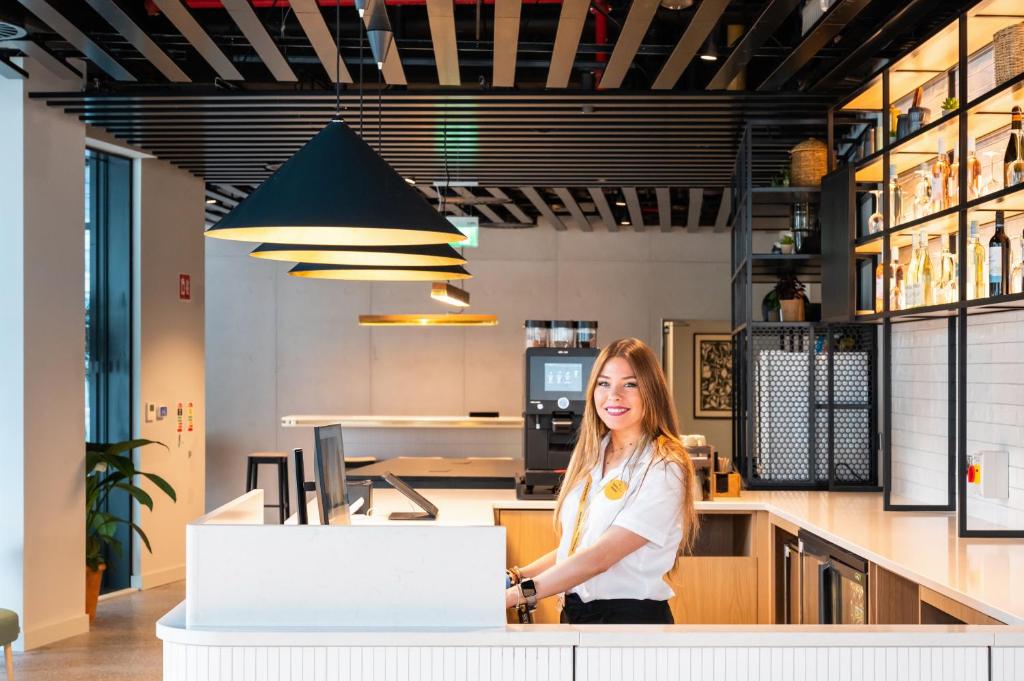
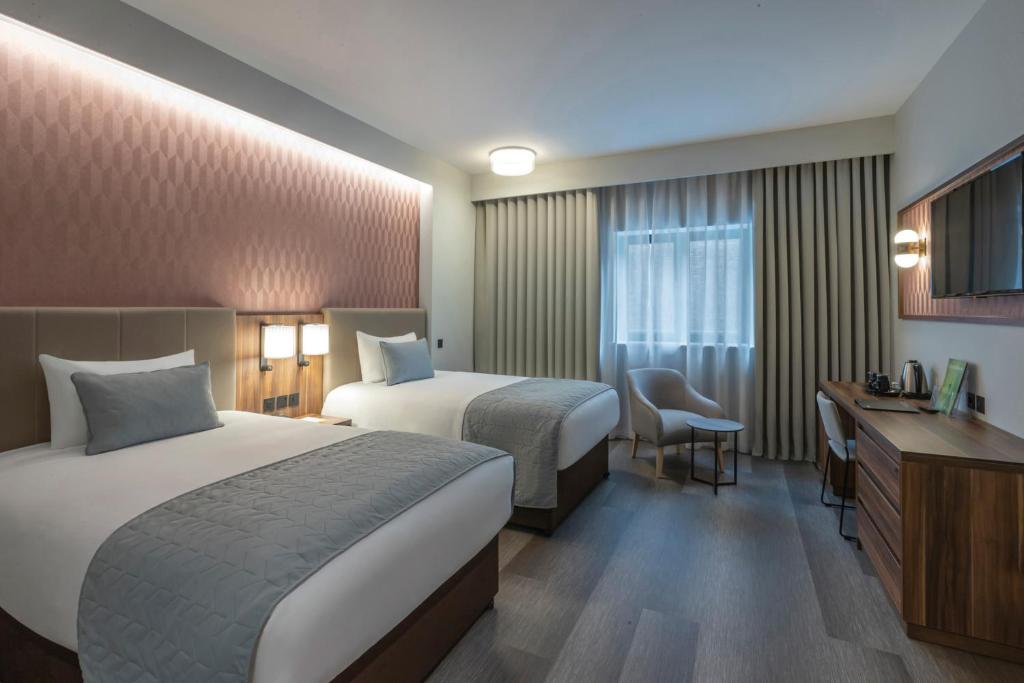
Recommended Hotels & Accommodation in Dublin
Transport in Dublin
- Buses: Dublin Bus is the main operator with over 1000 buses on routes covering most of the city and suburbs. Dedicated bus lanes help the service to be fast and efficient. Tickets by cash or use a Leap Card
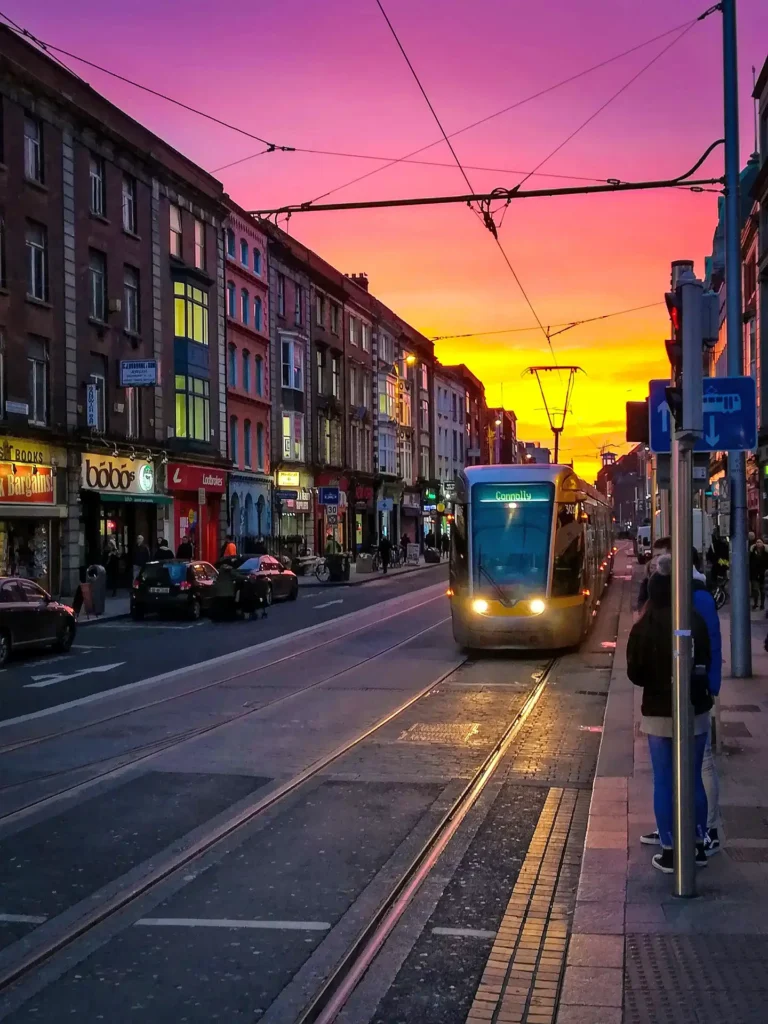
- Tram: The Luas is the Dublin tram system. There are two intersecting lines—Red and Green, serving 67 stops. Tickets available at each stop or use a Leap Card.
- Trains: The DART (Dublin Area Rapid Transport) is a high-frequency service along Dublin’s coastline. The DART line serves stations from Malahide or Howth in North Dublin southwards as far as Greystones in County Wicklow. Tickets at machines at each station or use a Leap Card.
Inter city trains connect Dublin to all the main cities in Ireland and many towns enroute
https://www.irishrail.ie/en-ie/ - Taxis: Taxis are available on street, at Taxi ranks, by phone or using apps like FreeNow or Uber.
- A Leap Card is a reusable plastic smart card that can be used to pay-as-you-go for public transport services in the Greater Dublin Area. The Leap Card can be used on Dublin Bus services, Luas, DART and Commuter Rail services.
The Leap Card card can be used on buses, trains and trams in Dublin
Night Life in Dublin
The city is a city of music, theatre and entertainment. Live music fills historic pubs like Whelan’s and The Button Factory, while traditional sessions at The Brazen Head, believed to be the country’s oldest tavern, are a nightly occurrence.
Theatre aficionados flock to the Abbey Theatre and the Gaiety, where avant garde plays share the stage with beloved classical drama.
In Temple Bar, colorful bars and hidden cocktail lounges spill onto cobbled streets and food lovers can savour everything from Michelin-starred elegance at Patrick Guilbaud to casual modern Irish plates at Fade Street Social or international dishes at one of the many ethnic restaurants in the city.
Top Theatres
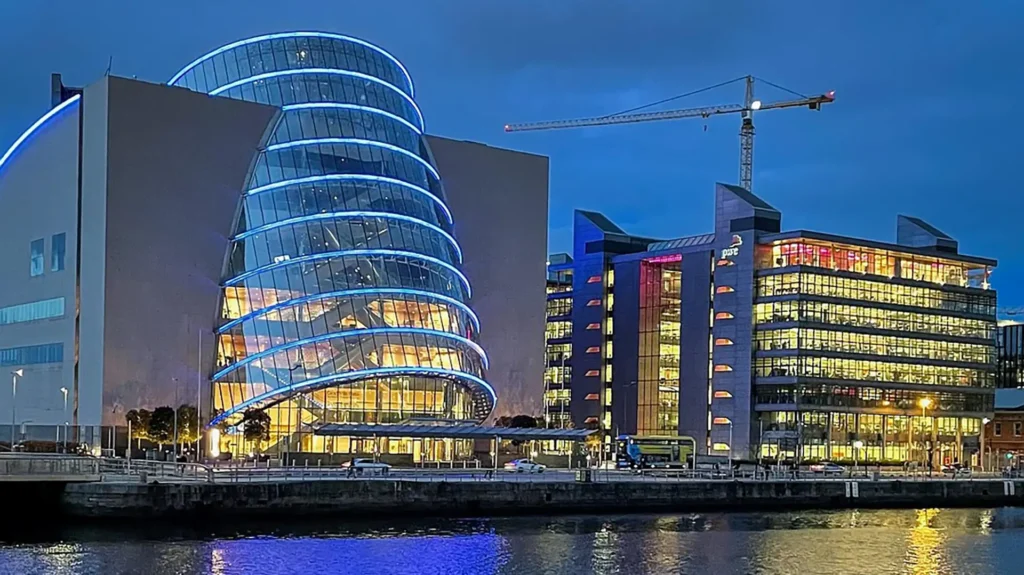
The Abbey Theatre, The Gaeity, The Olympia Theatre, The Gate, Vicar Street.
Top Music Venues
3Arena, Whelans, The Button Factory, Bord Gáis Energy Theatre, The Academy.
Sport
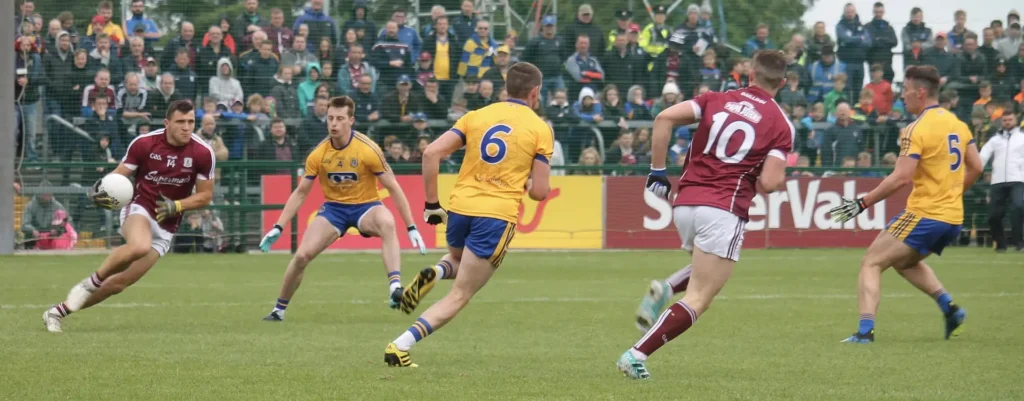
The sporting scene is both diverse and world-class. The Gaelic games of football and hurling take centre stage at Croke Park, the GAA’s 82,300-seat headquarters.
Association football (soccer) is featured at venues like Dalymount Park and Aviva Stadium, home to Republic of Ireland internationals team.
Rugby fans flock to the Aviva for Leinster Rugby and Test matches, cricket (which is experiencing a resurgence) is played at the picturesque Malahide grounds, and hockey is played is played at various pitches including University College Dublin.
The National Basketball Arena hosts top-flight basketball and athletics meets and club training happen at Morton Stadium in Santry, and swimmers race at the National Aquatic Centre in Blanchardstown. Tennis events are held at at Fitzwilliam Lawn Tennis Club.
We must not forget Golf which is a very popular sport in Ireland and there are many fine golf courses dotted around the city
Golf Courses: The Royal Dublin, Portmarnock, Corballis, Dun Laoghaire, Grange, Hermitage.
Top Sports Arenas
Croke Park: (Gaelic Games, also a music venue for huge events)
Aviva Stadium: Home of Irish Rugby and Soccer