

Impressions of The Musee d’Orsay Paris
If you’re a fan of the Impressionist painters, you must visit The Musee d’Orsay in Paris where you will find the world’s largest collection of Impressionist art.
The Musée d’Orsay is the central museum for art from the mid‑19th century to the early 20th century, housed in a spectacular former railway station. It is best known for its Impressionist and Post‑Impressionist collections, featuring artists such as Monet, Manet, Renoir, Degas, Van Gogh, Cézanne, and Gauguin, alongside Realists, Symbolists, sculptors, and designers.
Experiencing these works in person reveals their true scale, color, texture, and emotional impact—qualities that books and screens cannot fully reproduce. With generally six open days per week, late hours on Thursdays, and a manageable scale, it is one of the most rewarding museums to visit in Paris and an ideal place to understand how modern art was born.
Nothing Compares
If you have seen the paintings of these artists in a book, on line or in a print, you will probably have been impressed but there is nothing that can compare to viewing them live. The lighting in the Musée d’Orsay really brings out the vibrancy and intensity of the colour and you you see the texture and thickness of the paint in a way which you will never appreciate in print or in a photo.
For example this self portrait by Van Gogh looks fairly dull here on screen but when you see it at the Musée it comes to life with colour and you realize the genius of the artist.

The vivid colours, the impasto effect, the glaze and the brush strokes cannot be fully appreciated here.
Also the size of many of the paintings is astonishing. Van Gogh’s Self Portrait is larger than you might expect.
Experiencing these works in person reveals their true scale, color, texture, and emotional impact, qualities that books and screens cannot fully reproduce. With generally six open days per week, late hours on Thursdays, and a manageable scale, it is one of the most rewarding museums to visit in Paris and an ideal place to understand how modern art was born.
Musee d’Orsay is a Former Train Station Turned Art Museum
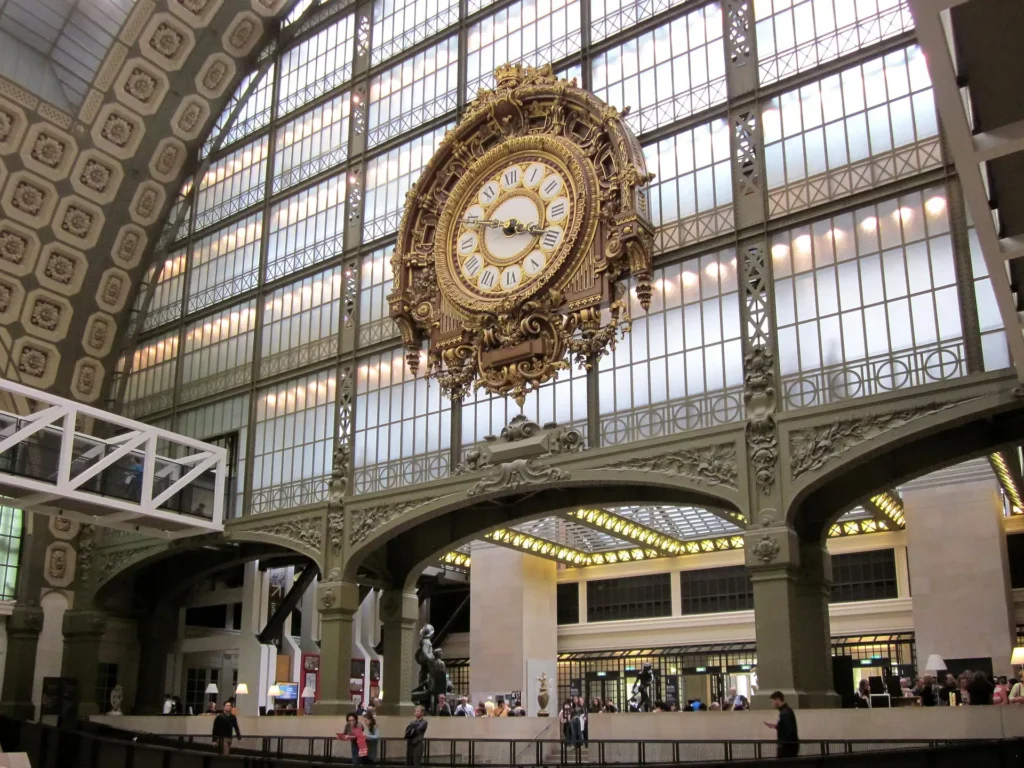
Originally built as the Gare d’Orsay for the 1900 Exposition Universelle, the building itself is a work of art.
- Architecture:
- Beaux‑Arts façade facing the river
- Monumental central hall beneath a dramatic glass and iron roof
- Giant clock windows framing views of Paris – great views from inside
Walking through the museum, you don’t just see art on walls; you move through an architectural space that connects the industrial energy of the early 20th century with the artistic revolution occurring in the same era.
What Type of Art Does the Musée d’Orsay Show?
The Musée d’Orsay focuses on Western art from about 1848 to 1914, bridging the gap between the Louvre’s older collections and the modern works at the Centre Pompidou.
Main types of art you’ll find:
- Impressionism: Light‑filled, atmospheric scenes, often painted outdoors.
- Post‑Impressionism: More structured, experimental, and expressive developments after Impressionism.
- Realism & Naturalism: Everyday life, workers, and rural scenes depicted with honesty and detail.
- Symbolism & early avant‑garde movements: Dreamlike, mystical, or psychological imagery.
- Academic / Salon painting: Large-scale historical, mythological, and religious works.
- Sculpture: From Rodin and Carpeaux to works that accompanied the rise of modernism.
- Decorative arts and furniture: Art Nouveau pieces, ceramics, glass, and design objects.
- Photography: One of the earliest major public collections of photography, connected to the period’s artistic experiments.
Flights and Accommodation
Find Flights
Find Accommodation
Seeing Paintings Live vs. On Screen or in a Book
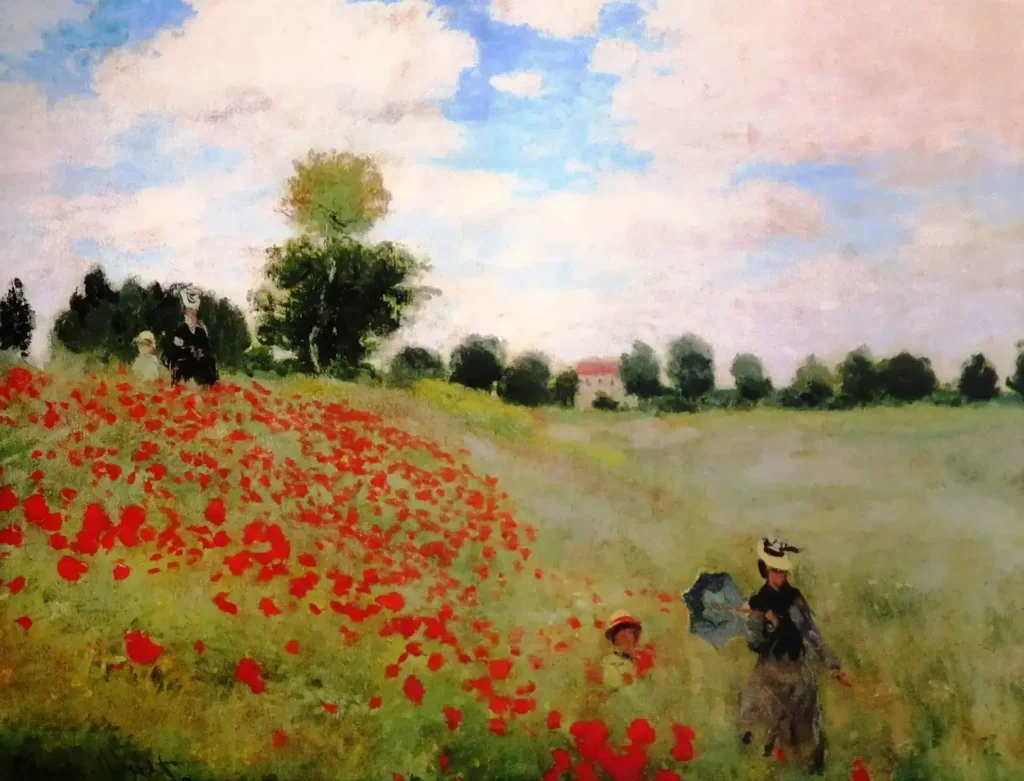
Photos, screens, and prints are useful, but they flatten and simplify what you see. At the Musée d’Orsay, standing in front of the originals changes how you understand the art. It is a totally different experience standing in a museum full of awesome paintings. What you saw in pictures on screen can’t compare.
1. Scale and Presence
On a phone or in a book, everything is resized and standardized. In person:
- Some works are surprisingly small and intimate, like certain Degas or Renoir portraits that draw you in close.
- Others are monumental: huge canvases by Courbet, Manet, or history painters that tower over you and fill your field of vision.
- Scale changes how you feel: a large painting can feel immersive, almost like a stage set; a small one can feel like a secret conversation.
2. Texture and Brushwork
Screens smooth everything out. In the actual galleries:
- You see the thickness of the paint, where an artist has layered color or scraped it away.
- Impressionist works often show visible, broken brushstrokes; you can study each mark and see how chaos up close becomes clarity from a distance.
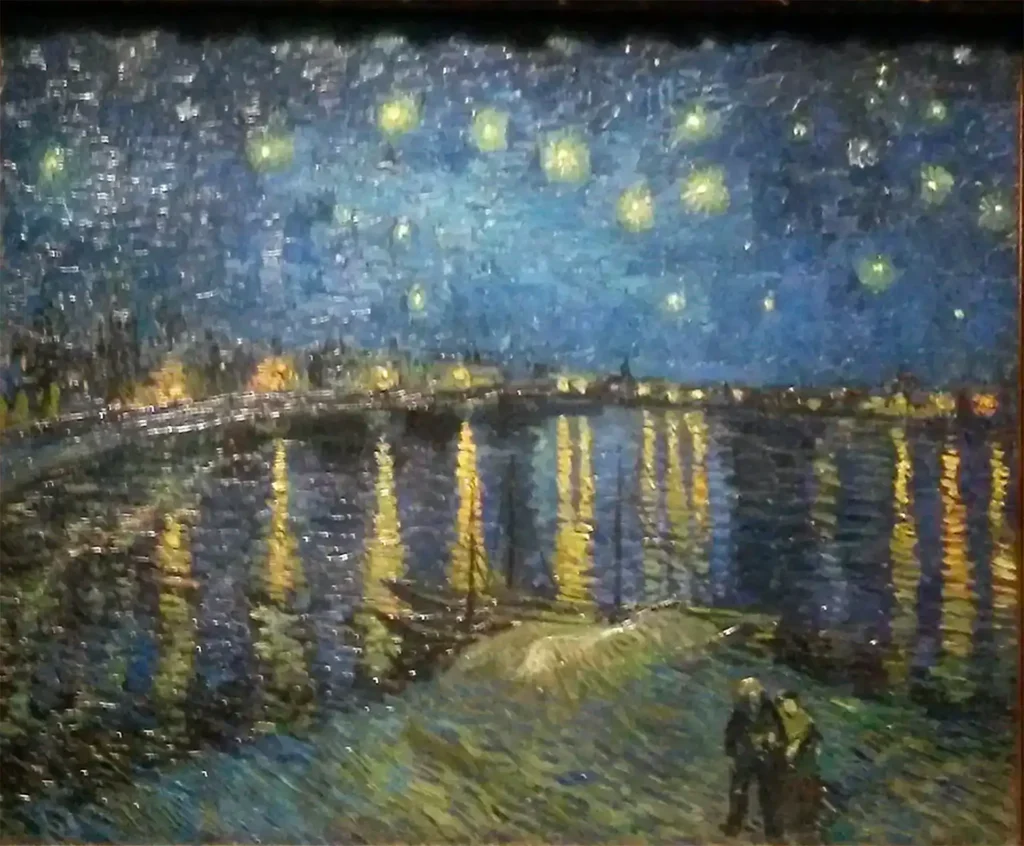
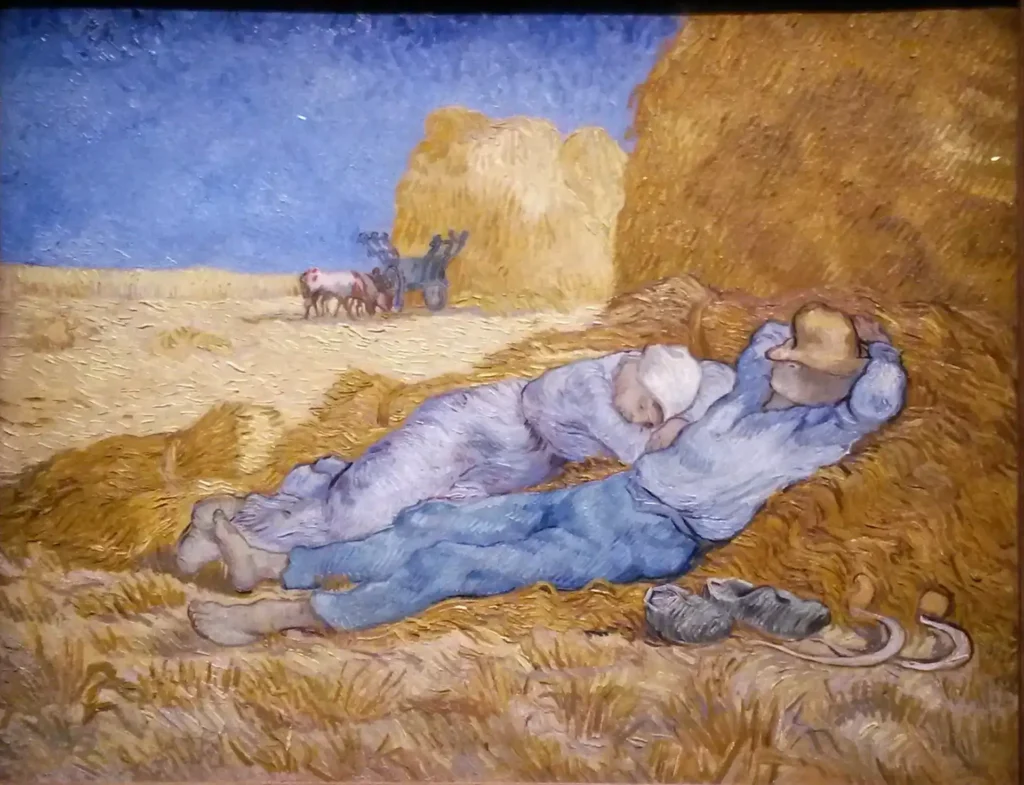
- Van Gogh’s works, for example, almost become low‑relief objects: ridges of pigment catch the light and give the image a physical energy you cannot sense in reproduction.
3. Color and Light
Reproductions alter color through printing limitations, screen calibration, and lighting.
- True color relationships appear only in person: subtle blues in shadows, complex skin tones, and delicate shifts of light.
- Museum lighting helps reveal how Impressionists captured natural light at specific times of day.
- Many paintings were carefully balanced for viewing distance and ambient light; they can look dull or overly saturated in digital form.
4. Context and Dialogue Between Works
Online, you see one image at a time; in the Musee D’Orsay you see series and contrasts:
- Monet’s different views (like the Rouen Cathedral or landscapes) gain meaning when viewed together, side by side.
- You can watch the development of an idea: for example, how realism leads into Impressionism, then Post‑Impressionism, then Symbolism.
- Sculptures, paintings, and decorative arts from the same period form a visual conversation about how people thought, lived, and dreamed.
5. Physical and Emotional Experience
Being there changes your mindset:
- You slow down, walk, pause, and return to works that catch your attention.
- The scale of the space and the quiet of the galleries create a concentrated atmosphere that encourages looking, not scrolling.
- Many visitors report a stronger emotional reaction—joy, melancholy, awe—when they finally stand before a work they have only ever seen in books.
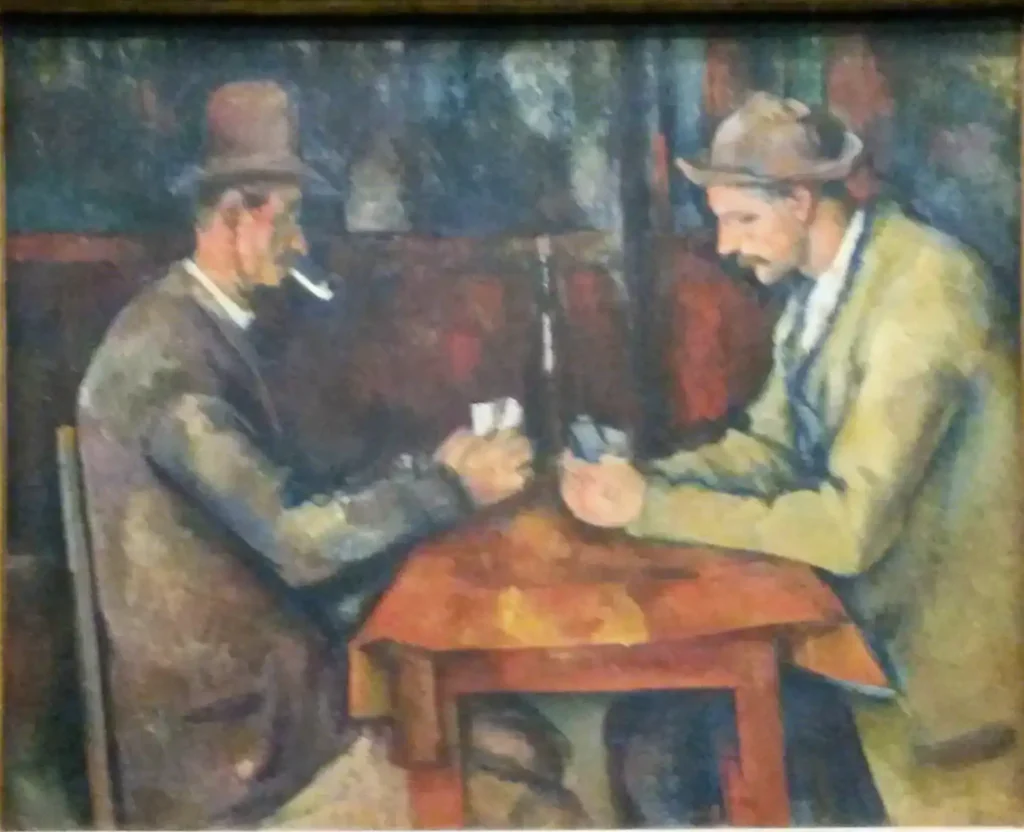
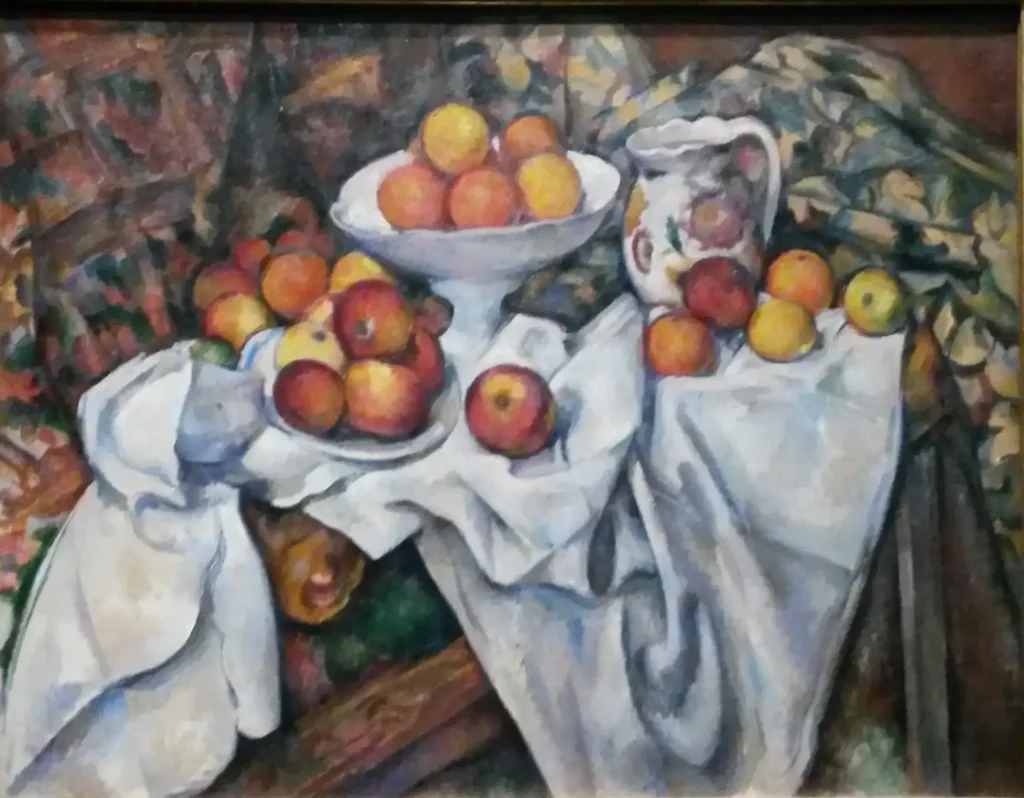
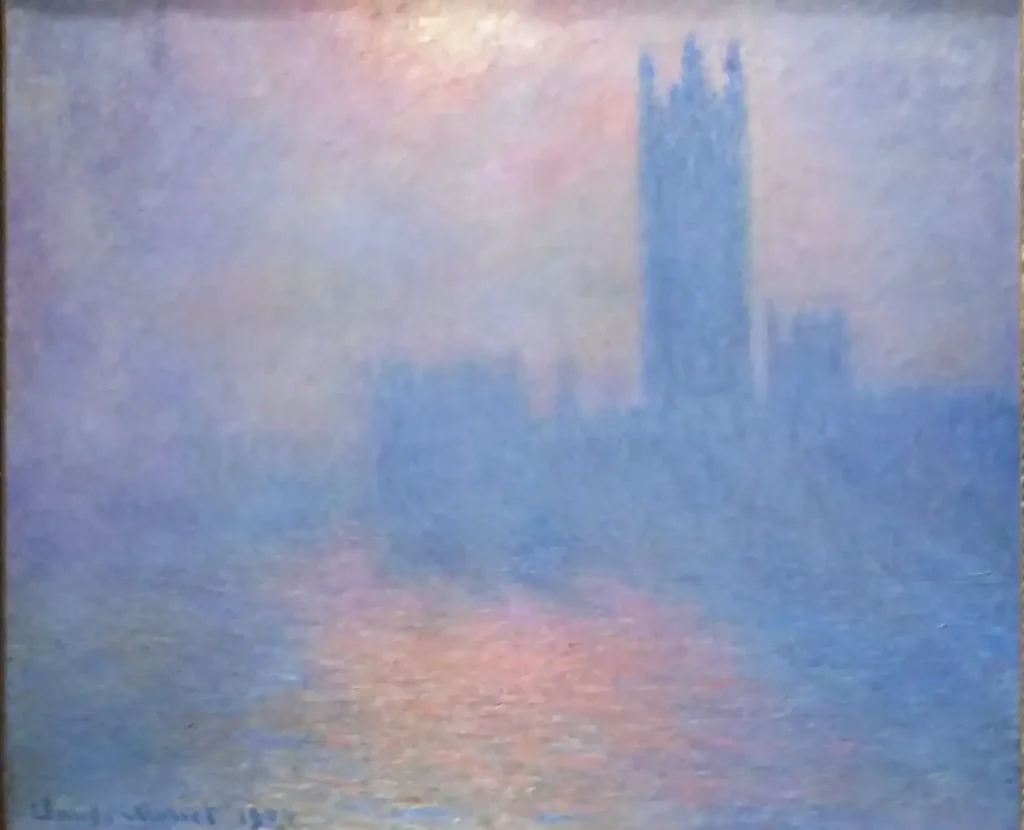
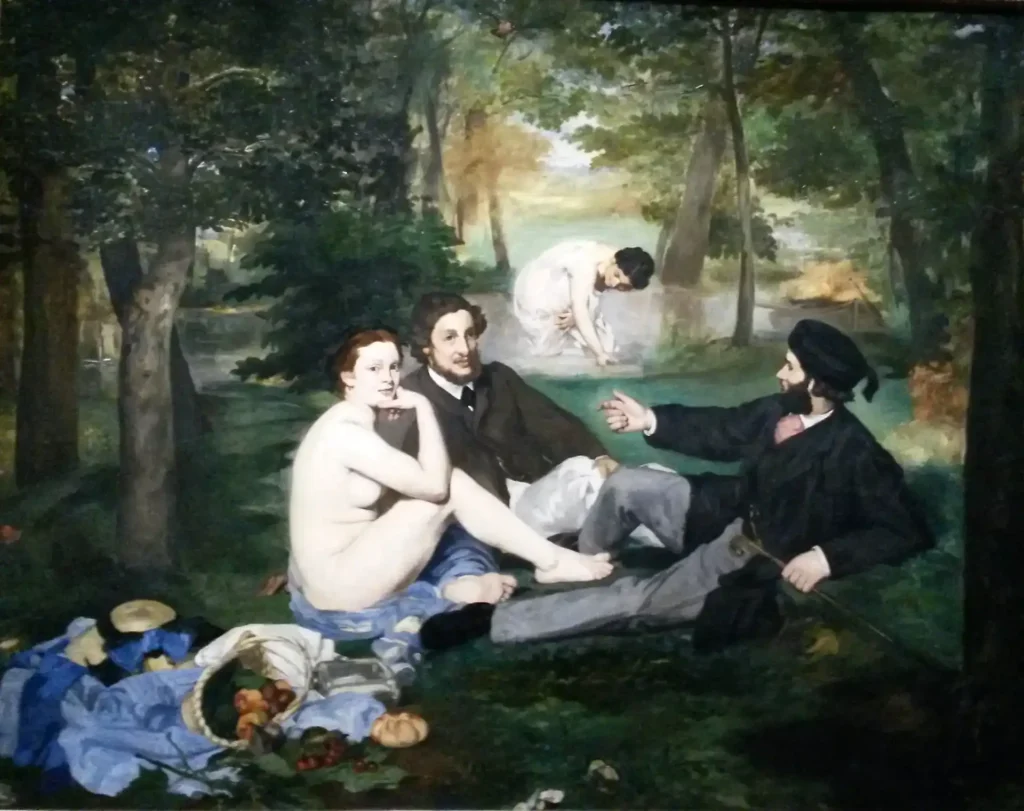
Click on the images for more views of art at The Musee D’Orsay

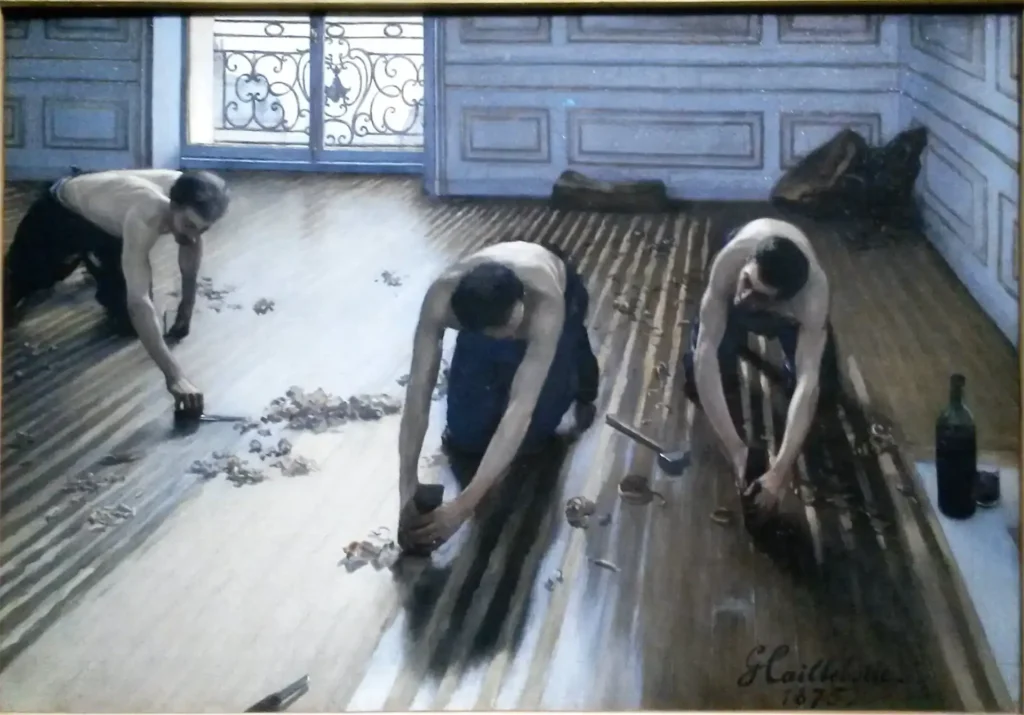
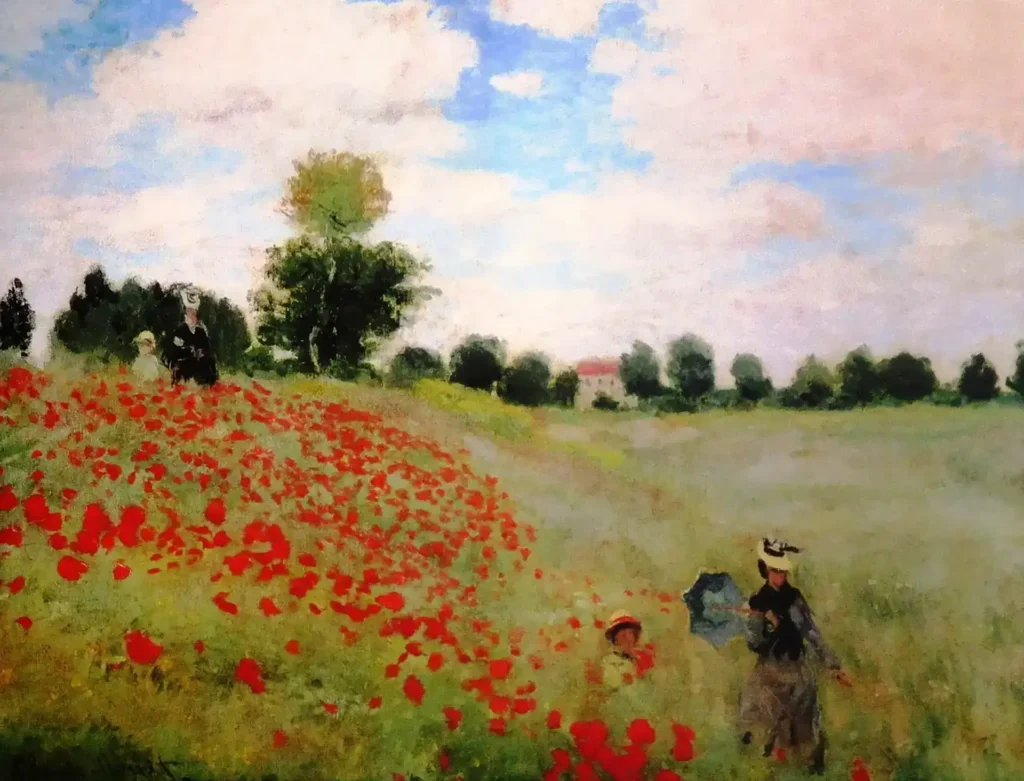
Main Artists You’ll See at the Musée d’Orsay
The museum’s collection is vast. Here are some of the major names you can expect to encounter, grouped by broad movements.
Impressionists
- Claude Monet – Water lilies, landscapes, and scenes of modern life; a central figure of Impressionism.
- Édouard Manet – A bridge between Realism and Impressionism, challenging academic conventions.
- Pierre‑Auguste Renoir – Warm, luminous scenes of leisure, dance halls, and intimate portraits.
- Camille Pissarro – Rural and urban scenes, often focusing on light and atmosphere.
- Alfred Sisley – Landscapes with subtle, delicate color harmonies.
- Berthe Morisot – A leading female Impressionist, known for her intimate scenes and fresh brushwork.
Post‑Impressionists
- Vincent van Gogh – Intensely expressive landscapes, portraits, and interiors; vibrant color and swirling brushwork.
- Paul Cézanne – Structuring landscapes, still lifes, and figures with planes of color; a precursor to Cubism.
- Paul Gauguin – Symbolic, often exoticized scenes from Brittany and Tahiti, with bold color and simplified forms.
- Henri de Toulouse‑Lautrec – Posters and paintings of Parisian nightlife, especially Montmartre and cabarets.
Realists and Naturalists
- Gustave Courbet – Earthy, monumental depictions of workers, landscapes, and everyday life.
- Jean‑François Millet – Peasant subjects, dignified and solemn.
- Honoré Daumier – Satirical and sometimes harshly critical portrayals of society, plus powerful paintings and sculptures.
Symbolists and Others
- Odilon Redon – Dreamlike, mysterious images, often fantastical or spiritual.
- Gustave Moreau – Richly detailed, mythological and biblical subjects.
- Puvis de Chavannes – Idealized, decorative murals and allegorical scenes.
Sculpture
- Auguste Rodin – Powerful, emotionally charged figures, often with rough surfaces and fragmented forms.
- Jean‑Baptiste Carpeaux – Expressive and dynamic 19th‑century sculpture.
This list is not exhaustive, but these are some of the key figures whose work forms the backbone of the museum’s identity.