
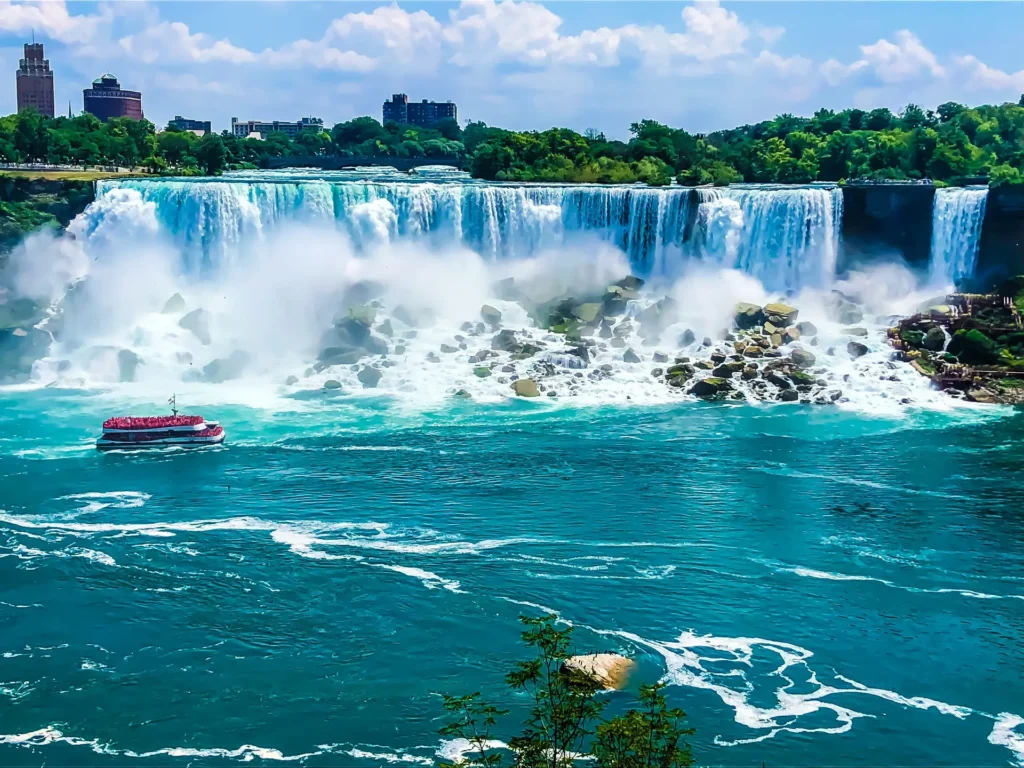
Guide to Visiting Niagara Falls Canada
Visiting Niagara Falls, Canada: Everything You Need to Know
Focus Keyword: Niagara Falls Canada travel guide Secondary Keywords: Horseshoe Falls Ontario, visit Niagara Falls, best time to visit Niagara Falls, things to do in Niagara Falls Canada Meta Description: Planning a trip to Niagara Falls, Canada? Discover how to get there, peak seasons, top attractions, water volume facts, and insider tips in this complete guide.
Few natural spectacles on Earth command the raw, thundering power of Niagara Falls. Straddling the international border between Ontario, Canada, and New York, USA, this iconic geological marvel attracts millions of travellers every year. While both sides offer memorable vistas, the Canadian side is widely celebrated for providing the most expansive, panoramic, and direct views of the falls—most notably the immense Horseshoe Falls.
Whether you are planning a weekend road trip from Toronto or crossing off a major bucket-list destination, here is your complete, practical guide to experiencing Niagara Falls, Canada.
Facts about the Falls: Scale, Height, and Water Volume
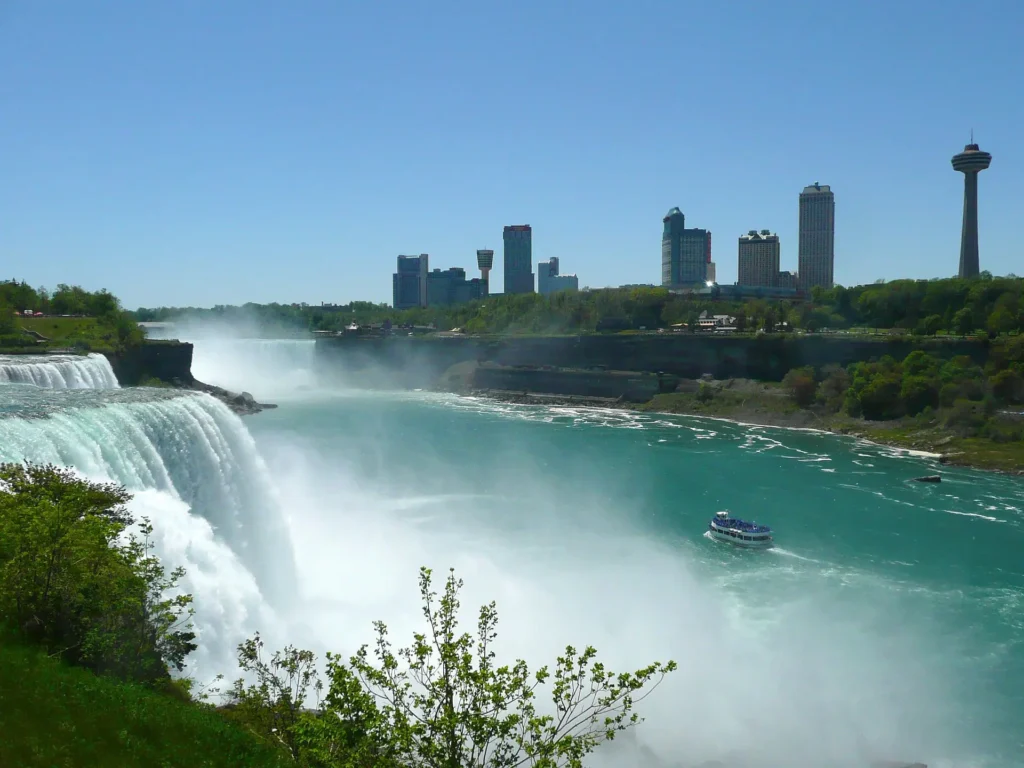
Niagara Falls is not a single waterfall, but a collective name for three distinct cascades: the American Falls, the Bridal Veil Falls, and the Horseshoe Falls (also known as the Canadian Falls).
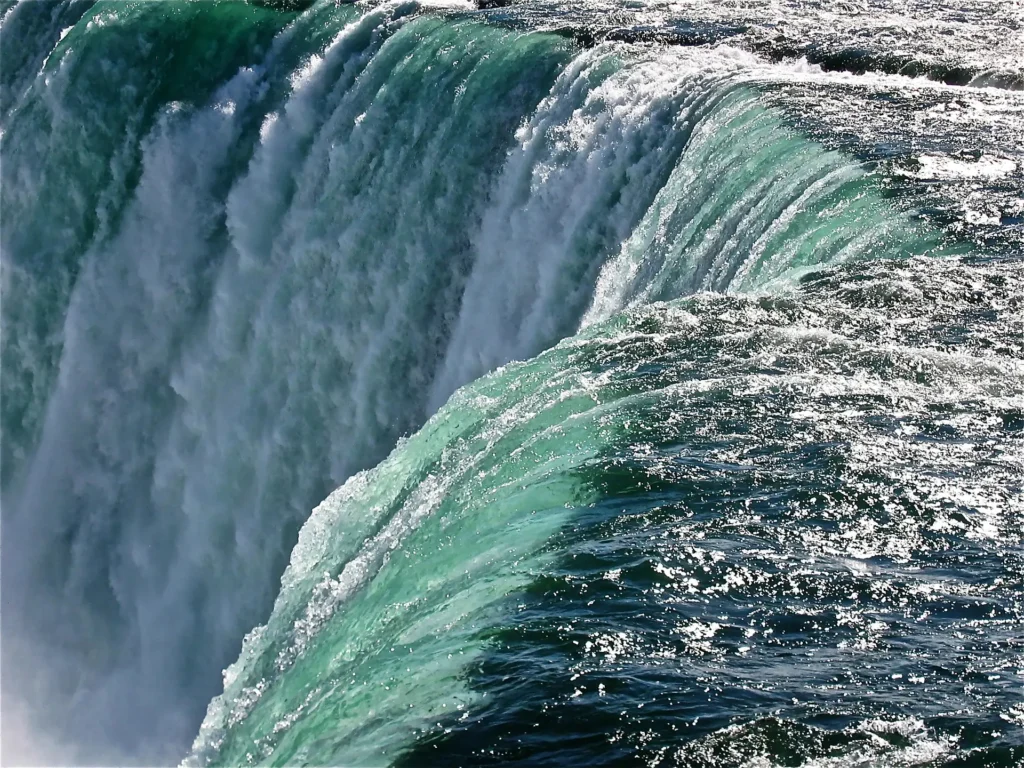
Horseshoe Falls is by far the largest and most powerful of the three, claiming approximately 90% of the Niagara River’s total flow.
- Height: Horseshoe Falls drops approximately 57 metres (187 feet) into the churning plunge pool below.
- Crestline Width: The curved rim stretches across roughly 790 metres (2,600 feet).
- Volume of Water: During peak daytime hours in spring and summer, an astonishing 2,800 cubic metres (over 700,000 gallons) of water flows over the brink every single second. That equates to roughly 168,000 cubic metres (6 million cubic feet) every minute.
The turquoise hue of the water comes from dissolved minerals and finely ground “rock flour,” created by the massive erosive friction of the river against the limestone bedrock. Hydroelectric diversion plants upstream regulate the flow, balancing environmental preservation, clean energy generation, and visitor spectacle.
Top Experiences: How to Experience the Falls Up Close
Seeing the falls from the sidewalk along Niagara Parkway is breathtaking, but immersing yourself in the mist elevates the journey into an unforgettable adventure.
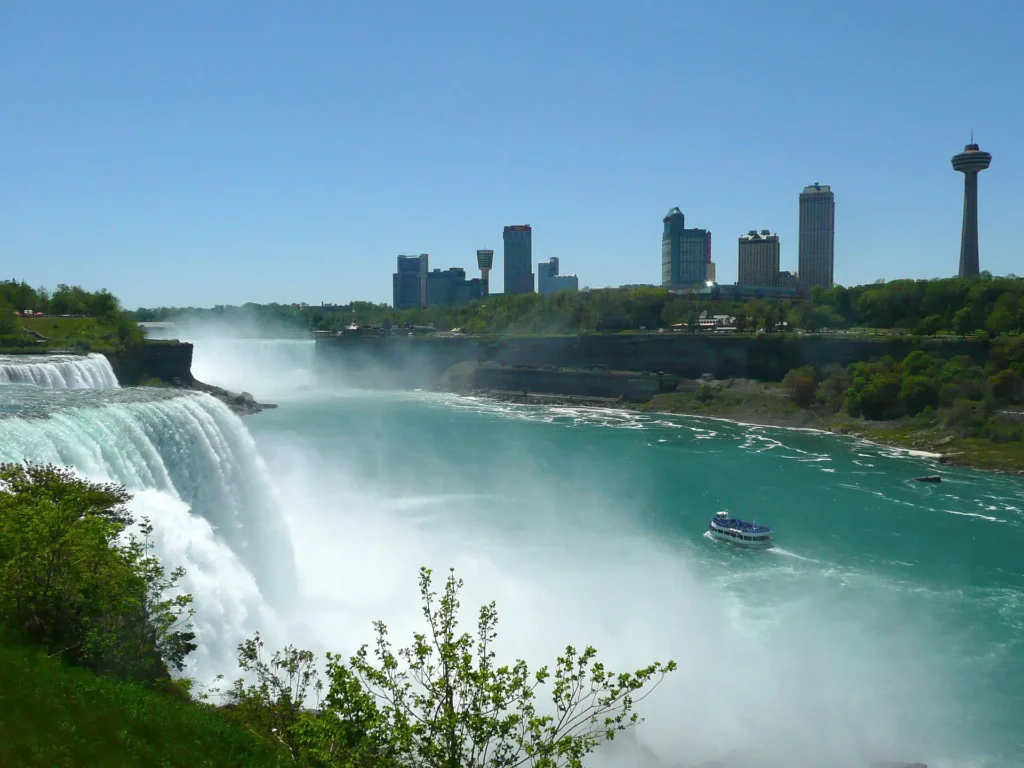
1. Niagara City Cruises
Don your protective poncho and board the iconic catamaran for an exhilarating ride directly into the basin of Horseshoe Falls. You will feel the true rumble of the water and experience the dense cloud of cool spray firsthand. Evening illumination and fireworks cruises are also available during warmer months.
2. Journey Behind the Falls
Step into an elevator descending 38 metres (125 feet) through bedrock. From there, historic tunnels lead behind the colossal sheet of falling water. Standing on the lower observation deck right beside the base of Horseshoe Falls offers a humbling perspective on its sheer velocity.
3. Skylon Tower
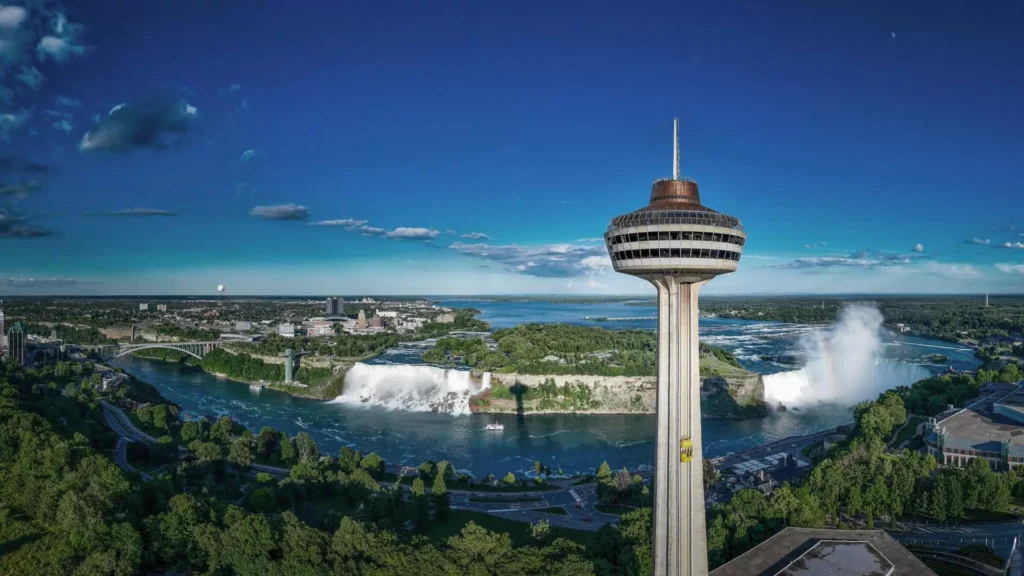
For bird’s-eye views, head up 236 metres (775 feet) to the Skylon Tower observation deck. On a clear day, you can look out across the gorge toward the skylines of Buffalo and Toronto. The revolving dining room offers a panoramic sunset dinner experience.
4. The Niagara Parks Power Station and “The Tunnel”
A recent addition to Niagara’s heritage offerings, this restored landmark lets you explore historical electrical generators before descending into a 670-metre (2,200-foot) underground tailrace tunnel that opens out to an exclusive river-level viewing platform.
How to Get to Niagara Falls, Canada
Niagara Falls is remarkably accessible from major transportation hubs across southern Ontario and western New York:
- From Toronto (approx. 130 km / 80 miles):
- By Car: Drive south along the Queen Elizabeth Way (QEW). Without heavy traffic, the drive takes 1.5 to 2 hours.
- By Train/Bus: GO Transit operates regular train and bus services between Toronto’s Union Station and the Niagara Falls VIA Rail/GO Station. Direct seasonal train trips run on weekends during peak months.
- From the United States:
- Visitors flying into Buffalo Niagara International Airport (BUF) can drive or take a shuttle across the international border.
- You can enter Canada via several border crossings, including the Rainbow Bridge (which features a pedestrian walkway right beside the gorge), the Peace Bridge in Fort Erie, or the Queenston-Lewiston Bridge. Always have a valid passport and check current border entry requirements before departing.
Weather and Climate Across the Seasons
Niagara Falls experiences four distinct seasons, each offering a drastically different atmosphere:
- Spring (April to May): Daily highs average 12°C to 19°C (54°F to 66°F). Expect crisp breezes, blooming cherry blossoms along Queen Victoria Park, and moderate crowds.
- Summer (June to August): Warm and humid, with highs consistently reaching 26°C to 30°C (79°F to 86°F). Water mist provides natural cooling, and attractions are fully operational.
- Fall (September to November): Temperatures cool down from 21°C in September to 8°C in November. Crisp air and brilliant fall foliage make this one of the most picturesque times of year.
- Winter (December to March): Temperatures regularly hover between -8°C and 2°C (18°F to 35°F). Spray from the falls freezes on railings and lamp posts, transforming the landscape into a sparkling ice wonderland.
The Best Time to Visit
The best time to visit Niagara Falls depends entirely on your travel preferences:
- For Optimal Weather and Full Activities: June through August is ideal. Every outdoor boat cruise, zipline, and patio is open, paired with nightly illumination and fireworks displays over the gorge.
- For Comfortable Weather and Lower Crowds: Mid-September through October is widely considered the sweet spot. You will enjoy mild temperatures, shorter queues, lower hotel rates, and the vibrant colors of autumn.
- For Budget Travel and Winter Magic: January and February showcase the annual Winter Festival of Lights, where millions of illuminations decorate the parkway and the frozen mist forms dramatic natural ice sculptures.
Find Accommodation at Niagara Falls
What to Do Nearby: Beyond the Waterfalls
While the falls are the main draw, the Niagara Peninsula features a rich variety of culture, entertainment, and nature:
Explore Historic Niagara-on-the-Lake

Located just a 25-minute scenic drive north along the Niagara Parkway, this well-preserved 19th-century town features boutique shops, horse-drawn carriages, and celebrated stage performances at the Shaw Festival Theatre.
Tour Niagara Wine Country
The Niagara Peninsula is globally renowned for its cool-climate viticulture, producing exceptional Pinot Noir, Chardonnay, Riesling, and world-famous Icewine. Stop by estates like Peller Estates, Inniskillin, or Two Sisters Vineyards for tastings and pairings.
Clifton Hill Entertainment District

If you are travelling with children or enjoy high-energy boardwalk games, Clifton Hill offers wax museums, arcades, themed mini-golf, and the Niagara SkyWheel, a 53-metre-tall climate-controlled Ferris wheel.
Hike the Niagara Glen Nature Reserve
For outdoor lovers looking to escape the commercial bustle, hiking trails descend deep into the Carolinian forest of the Niagara Gorge, bringing you right alongside the turquoise whirlpool rapids.
Tours and Tickets
Essential Practical Tips for Visitors
- Get the WEGO Bus Pass: Parking near the brink can be costly and competitive. The WEGO hop-on, hop-off transit network connects all major hotels, attractions, and parks smoothly.
- Consider an Attraction Pass: The Niagara Parks Wonder Pass (winter) or Adventure Pass (summer) bundles admission to top venues like Journey Behind the Falls, the Power Station, and the Butterfly Conservatory at a steep discount.
- Carry Waterproof Gear: Even on warm days, high winds can push heavy mist directly over the viewing promenades. Keep a water-resistant jacket or packable poncho handy, and protect camera lenses and phones.
- Currency & Payments: The local currency is the Canadian Dollar (CAD). Major international credit cards are universally accepted, though having a small amount of local cash for parking meters or small souvenirs is useful.
Niagara Falls Accommodation on The Map
Final Thoughts
Niagara Falls, Canada is a diverse, year-round destination. Plan ahead, pack a poncho, and get ready to witness one of North America’s true natural treasures and one of the Wonders of The World.