Information About Alicante
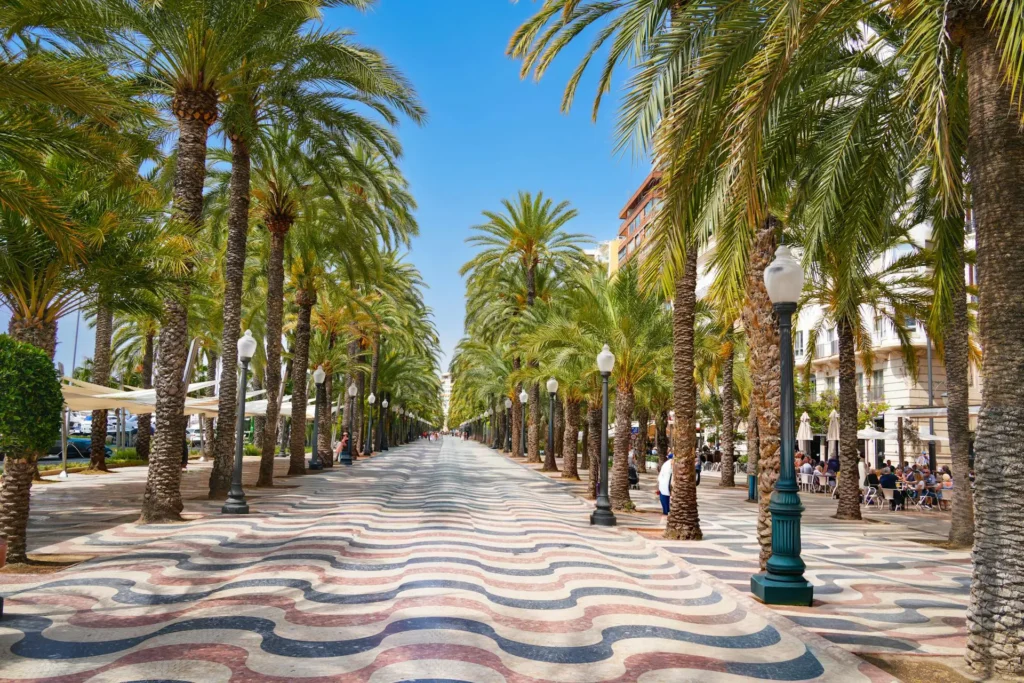
Alicante is an ancient and historic city on Spain’s southeast coast. Its fabulous architecture includes the Explanada de Espana, a palm-lined promenade consisting of 6.5 million marble stones.
As well as its many museums and exhibits, Alicante boasts numerous festivals, most famously the Bonfires of Saint John, where bonfires are lit all through the city, while the locals compete in art, beauty pageants and parades.
Discover Alicante: Your Ultimate Travel Guide
Alicante is a very popular destination on Spain’s spectacular Costa Blanca, offering an unforgettable blend of sun-drenched beaches, rich historical heritage, and vibrant modern Spanish culture. Fot those seeking a relaxing coastal retreat or an action-packed Mediterranean adventure, this dynamic port city caters to every type of traveller. This comprehensive guide covers everything you need to know to plan the perfect Alicante holiday, from exploring ancient fortresses to indulging in world-class tapas.
Location: The Heart of the Costa Blanca
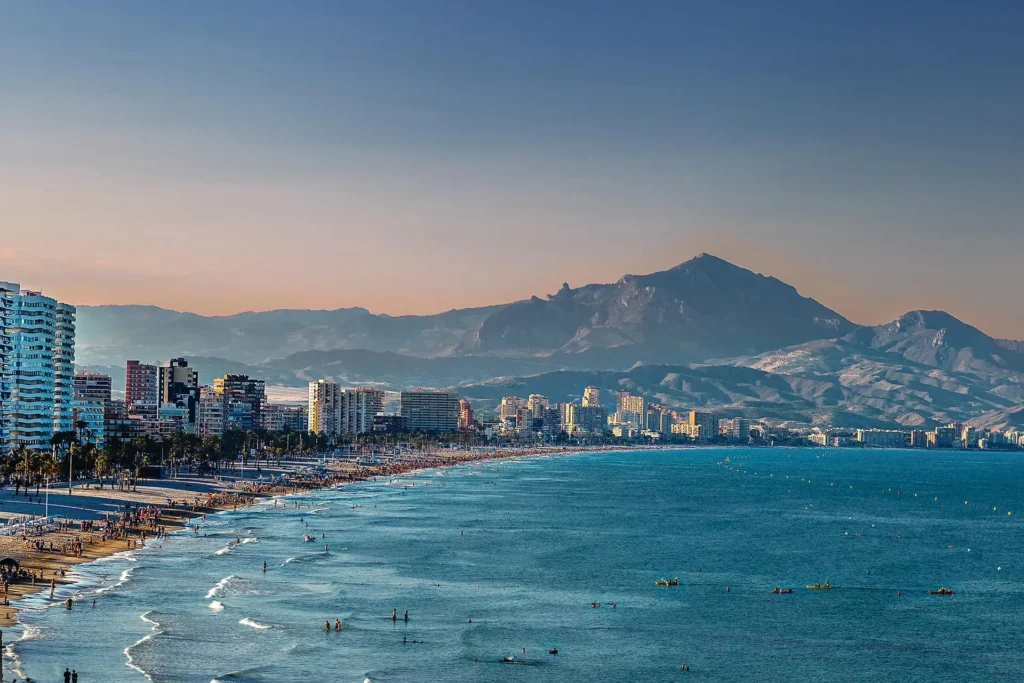
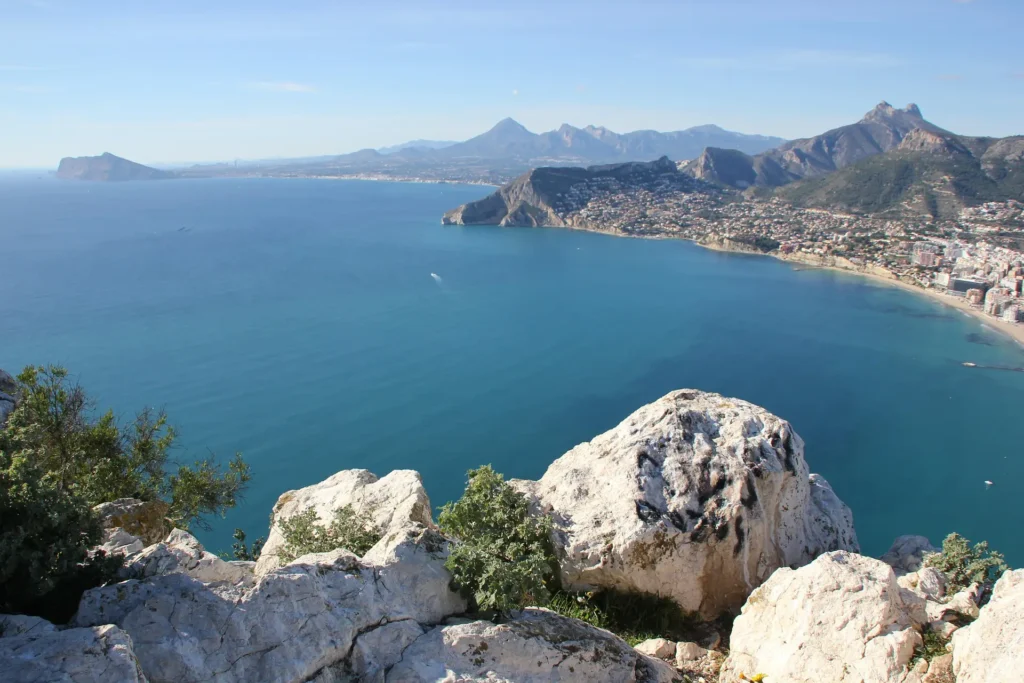
Situated on the southeastern coast of Spain, Alicante is the capital of the Alicante province within the Valencian Community. It faces the stunning Mediterranean Sea and serves as a central hub for the famous Costa Blanca (White Coast), a region celebrated for its pristine shorelines and mild, year-round climate. The city is flanked by rugged mountains to the north and sweeping sandy beaches to the south, creating a picturesque natural landscape. Its strategic coastal position makes it an ideal launchpad for exploring nearby picturesque towns like Altea, Benidorm, and Villajoyosa.
A Brief History of Alicante
Alicante has a fascinating past that spans thousands of years, shaped by a succession of diverse civilisations. The area was initially inhabited by Iberian tribes before being established as a trading port by the Greeks and later conquered by the Romans, who named the settlement Lucentum (City of Light). In the 8th century, Moorish forces took control of the region, building the foundational structures of the city’s iconic hilltop fortress and introducing advanced agricultural techniques.
The city was eventually reclaimed by Christian forces in 1247 under the rule of King Alfonso X of Castile. Over the subsequent centuries, Alicante evolved into a prosperous maritime trading hub. Today, you can still see the physical legacy of these overlapping cultures in the city’s diverse architecture, winding historic streets, and ancient archaeological sites.
Transport: Getting There and Around
Navigating your way to and around Alicante is incredibly straightforward thanks to its excellent transport infrastructure.
- By Air: The Alicante-Elche Miguel Hernández Airport (ALC) is the fifth busiest airport in Spain, welcoming numerous international and domestic flights daily, located just 15 minutes from the city centre.
- By Train: The modern high-speed AVE train connects Alicante directly to Madrid in under two and a half hours, making it highly accessible from the capital.
- Local Transport: Within the city, the TRAM Metropolitano de Alicante is an exceptionally clean and efficient light rail network that connects the city centre to coastal suburbs and northern towns.
- Buses and Taxis: A comprehensive local bus network operates throughout the city, while taxis and ride-sharing services offer affordable, convenient door-to-door transit.
Types of Accommodation
Alicante offers a diverse array of lodging options to suit every budget and travel style.
- Luxury Resorts: For those seeking pampering, upscale beachfront resorts provide lavish amenities, private pools, and spa services, typically ranging from 150 EUR to 350 EUR per night.
- Boutique Hotels: Located in the historic Old Town, these charming, character-filled properties offer personalized service and authentic Spanish architecture.
- Holiday Apartments: Ideal for families or longer stays, self-catering apartments are widely available along the coast and near the city centre, offering flexibility and comfort.
- Budget Hostels: Backpackers and budget-conscious travellers will find numerous clean, centrally located hostels offering dormitory beds and vibrant social atmospheres.
Accommodation in Alicante on The Map
What to Do in Alicante
Beyond simply lounging in the sun, Alicante is packed with engaging activities. Spend your days relaxing on Playa del Postiguet, the golden sandy beach located right in the heart of the city. For a more expansive beach experience, take the tram to San Juan Beach, renowned for its miles of pristine sand and crystal-clear waters.
Adventure seekers can enjoy excellent water sports, including paddleboarding, windsurfing, and scuba diving in the nearby marine reserve of Tabarca Island. Back on land, wandering through the narrow, flower-filled streets of El Barrio (the Old Town) provides a delightful afternoon of discovering hidden plazas, local boutiques, and stunning historic churches.
Top 10 Visitor Attractions
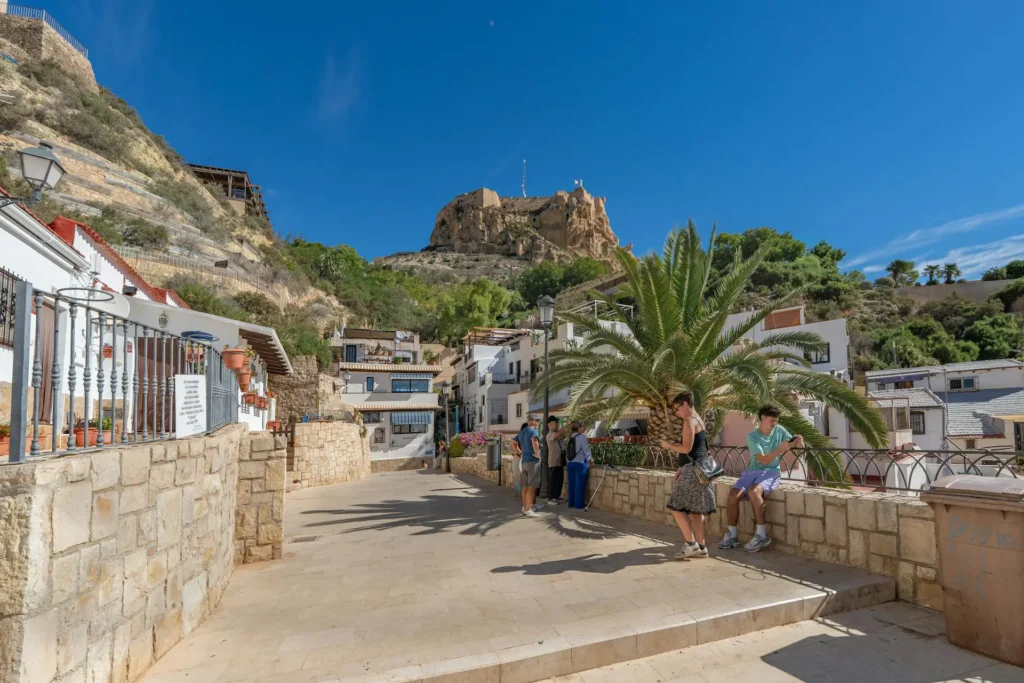
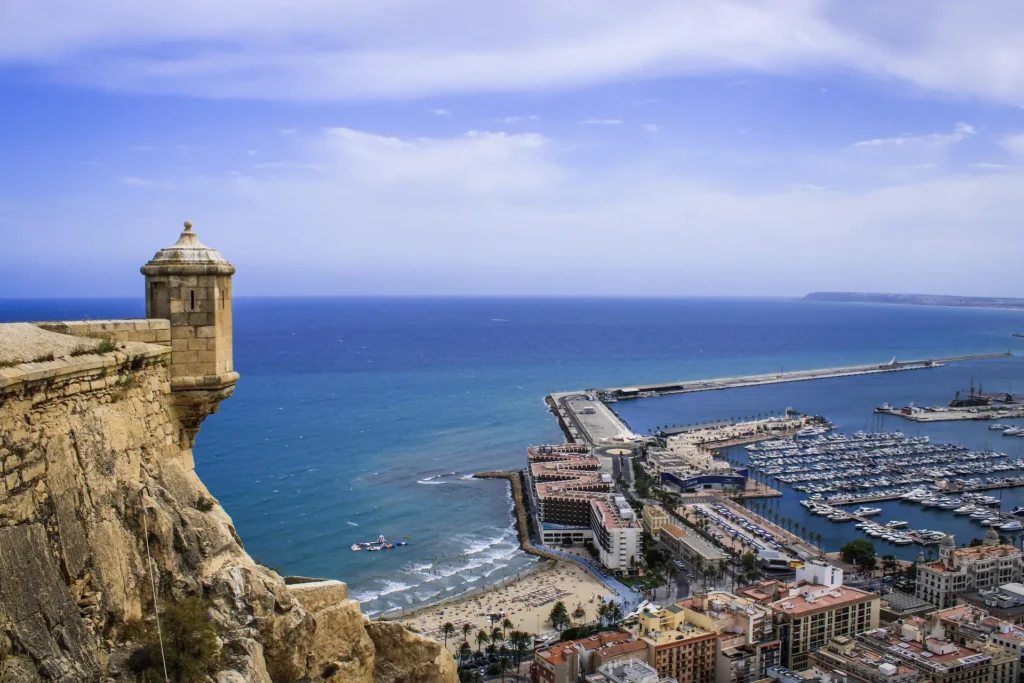
- Santa Bárbara Castle: Perched high on Mount Benacantil, this spectacular 9th-century fortress offers sweeping panoramic views of the city and the Mediterranean Sea.
- Explanada de España: This iconic, palm-lined promenade is paved with over six million tricolour marble tiles arranged in a stunning wave pattern, perfect for an evening stroll.
- Playa del Postiguet: Located right at the base of the castle, this pristine urban beach boasts golden sands and calm, warm waters ideal for swimming.
- Tabarca Island: Easily accessible by a short boat trip, this tiny, inhabited islet is a protected marine reserve offering excellent snorkelling and charming historic ruins.
- Mercado Central: Housed in a beautiful early 20th-century building, this vibrant central market is the best place to experience authentic local food culture and buy fresh regional produce.
- Basílica de Santa María: Built over the remains of a former mosque, this is the oldest active church in Alicante, featuring a striking Baroque façade and an ornate golden altar.
- El Barrio (Casco Antiguo): The city’s colourful, historic old town is a maze of narrow, cobblestone streets overflowing with vibrant tapas bars, quaint boutiques, and cascading bougainvillea.
- MARQ (Archaeological Museum of Alicante): This highly interactive, award-winning museum utilizes modern technology to guide visitors through the rich historical epochs of the Costa Blanca region.
- Puerto de Alicante (The Marina): A modern, bustling harbour area lined with upscale seafood restaurants, chic cocktail bars, and an elegant casino.
- Parque de Canalejas: Known for its massive, century-old ficus trees providing dense, cooling shade, this is the oldest park in the city and a perfect spot to relax.
Eating Out: A Gastronomic Delight

Alicante is a paradise for food lovers, heavily influenced by its Mediterranean location and Valencian roots. Rice is the undisputed star of the local cuisine, and trying an authentic Paella Alicantina—a rich dish featuring saffron-infused rice, seafood, and meat—is an absolute must.
For a quintessential Spanish culinary experience, hop between the lively tapas bars in the city centre, sampling patatas bravas, fresh calamari, and locally cured Iberian hams. Do not miss a morning visit to the Mercado Central (Central Market), a bustling hub where locals purchase fresh produce, caught-that-day fish, and regional delicacies.
Nightlife: From Sunset to Sunrise
As the sun sets, Alicante transforms into a vibrant playground with a nightlife scene that ranks among the best on the Costa Blanca. The evening usually begins with relaxed sunset cocktails along the stylish marina, where upscale lounges offer gorgeous views of the illuminated castle and bobbing yachts.
As the night progresses, the energy shifts to El Barrio (the historic quarter), where narrow streets are packed with lively pubs, intimate wine bars, and live music venues. For those who want to dance until dawn, the larger nightclubs located near the port and San Juan beach attract international DJs and an energetic crowd, showcasing the late-night stamina that Spanish culture is famous for.