
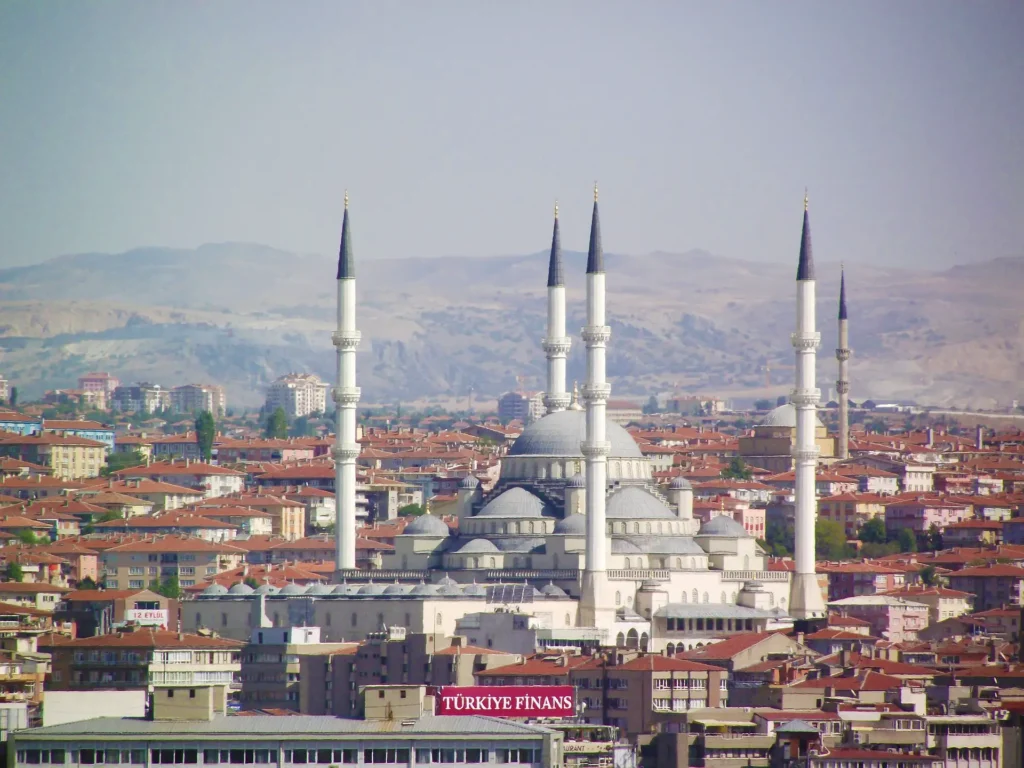
Ankara
Situated in the very heart of the Anatolian peninsula, Ankara, Turkey’s capital city, offers a fascinating blend of ancient history and modern political might. Often bypassed by travelers rushing to the coast or Istanbul, this sprawling metropolis rewards those who linger with world-class museums, vibrant street life, and monumental architecture. Serving as the nation’s administrative center since 1923, it has grown from a dusty provincial town into a cosmopolitan hub that proudly displays the legacy of the Turkish Republic’s founder, Mustafa Kemal Atatürk.
Visiting Ankara
Visiting Ankara provides an authentic glimpse into everyday Turkish urban life without the overwhelming tourist crowds found in other major destinations. The city boasts a relaxed, highly organized layout characterized by broad boulevards, expansive green spaces, and a palpable intellectual energy driven by its numerous universities. Whether you are exploring ancient Roman ruins or sipping strong Turkish tea in a bustling modern plaza, the city offers a uniquely dualistic travel experience.
With a population of over 5.8 million residents, it is the second-largest city in Turkey. This demographic features a massive student population, government officials, and diplomats, creating a diverse and highly educated atmosphere. This youthful demographic plays a significant role in keeping the city’s cultural and social scenes remarkably vibrant.
When flying into the capital, travellers will arrive at Esenboğa International Airport (ESB), located approximately 28 kilometers northeast of the city centre. This modern, award-winning facility connects the capital to major European cities and offers frequent, short domestic flights to destinations all across Turkey.
Getting around the city is highly efficient thanks to a wide array of Transport options. The public transit network is affordable and easy to navigate for both locals and international visitors.
| Transport Type | Description | Best Used For |
|---|---|---|
| Ankara Metro & Ankaray | The rapid transit light rail and subway systems. | Bypassing traffic between central districts like Kızılay and Ulus. |
| EGO Buses | The extensive municipal bus network covering the entire city. | Reaching neighborhoods not serviced by the rail lines. |
| Dolmuş | Shared minibuses that run on set routes but have no fixed stops. | Quick, cheap, and flexible localized travel. |
| High-Speed Train (YHT) | Modern rail connecting the capital to Istanbul, Konya, and Eskişehir. | Fast, comfortable intercity travel across Turkey. |
Top 10 Visitor Attractions in Ankara
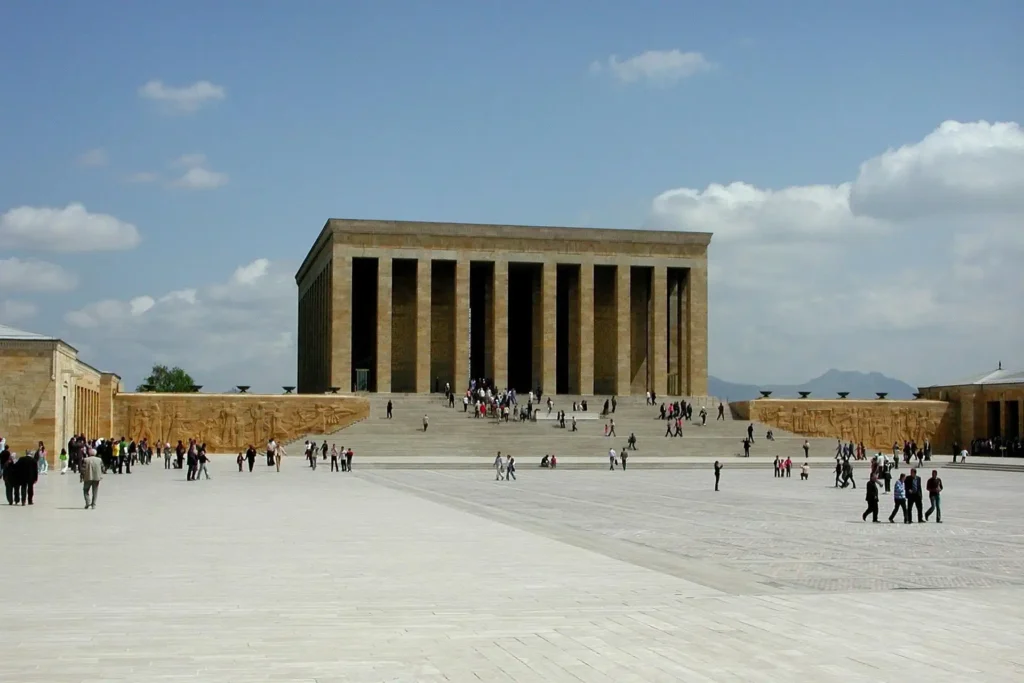
- Anıtkabir: The monumental mausoleum of Mustafa Kemal Atatürk, featuring grandiose architecture, extensive museums, and sweeping courtyards.
- Ankara Castle (Ankara Kalesi): A historic hilltop fortification offering panoramic city views and a labyrinth of beautifully restored Ottoman houses.
- Museum of Anatolian Civilizations: A world-class museum housed in a 15th-century bazaar, displaying priceless artifacts from the Paleolithic era to the classical age.
- Kocatepe Mosque: The largest mosque in the city, an impressive modern structure designed in the classical Ottoman architectural style.
- Atakule Tower: A towering 125-meter communications and observation tower that providdes the most breathtaking 360-degree views of the capital.saehe Ankara Castle, showcasing the history of transport, industry, and communications.
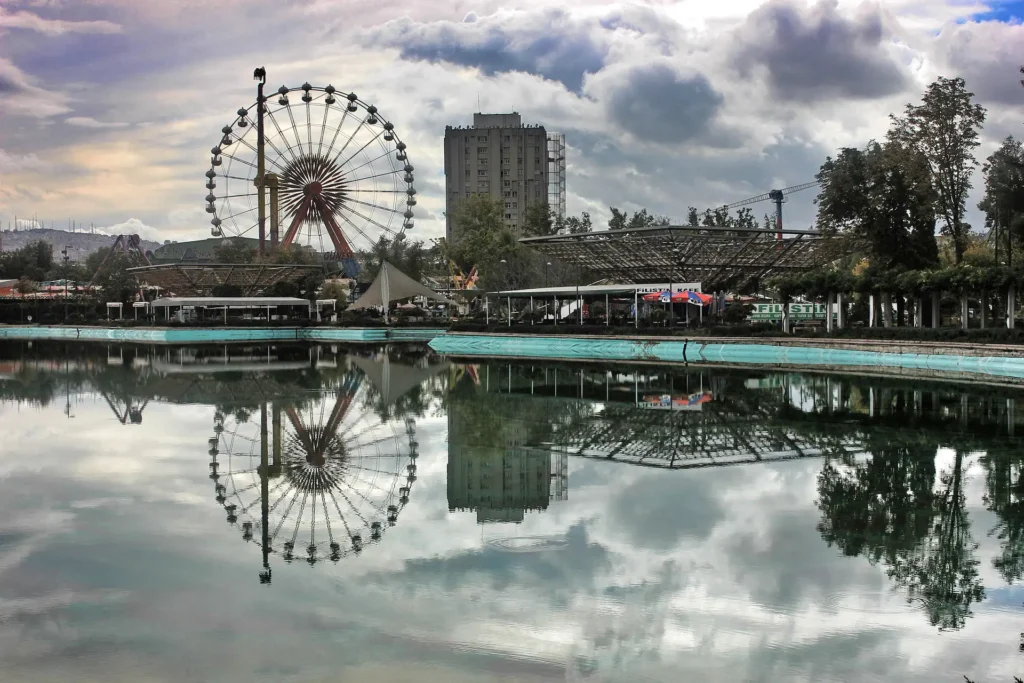
- Gençlik Park: A massive, central public park featuring a serene boating lake, illuminated fountains, and a classic amusement park.
- Hamamönü Restored Quarter: A charming, revitalized historic district filled with traditional timber-framed Anatolian houses, artisan shops, and cozy cafes.
- Rahmi M. Koç Museum: An engaging industrial museum situated opposite the Ankara Castle, showcasing the history of transport, industry, and communications.
- Roman Baths of Ankara: An expansive open-air archaeological site revealing the ancient foundations of a grand bathing complex from the 3rd century AD.
- Hacı Bayram Mosque: A deeply revered 15th-century religious site built right next to the ancient Roman Temple of Augustus.
Tours and Tickets
Architecture and Culture
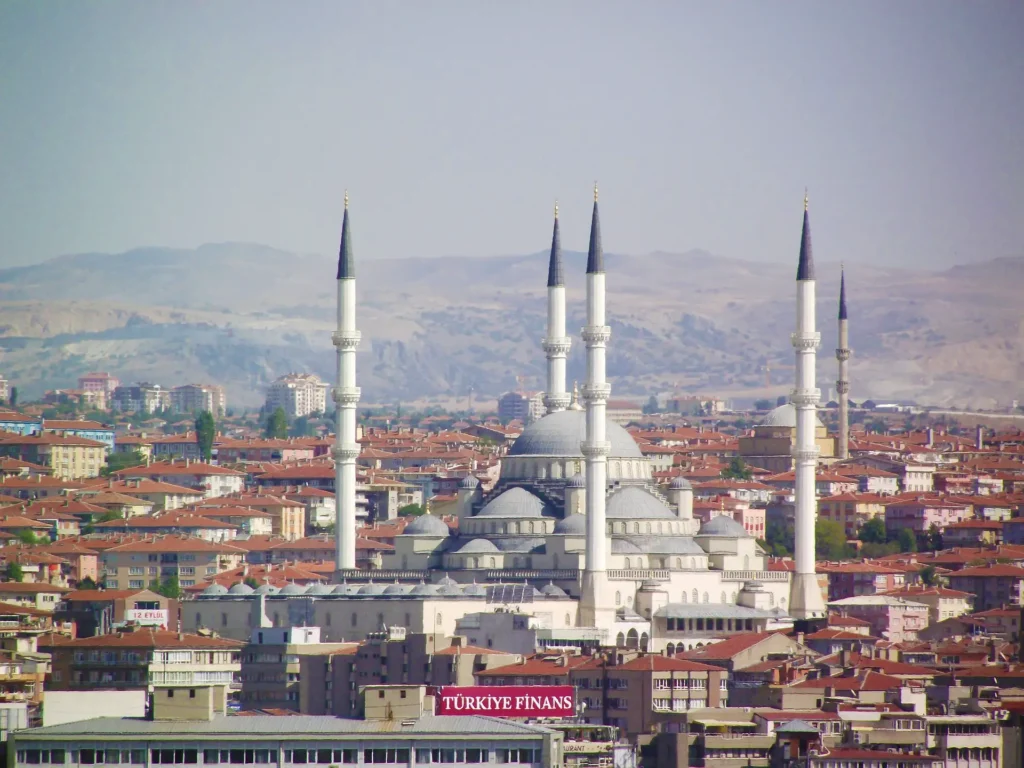
The Architecture of the capital is a visual timeline of Turkey’s history. In the ancient district of Ulus, you will find Roman ruins standing shoulder-to-shoulder with early Ottoman mosques and Byzantine walls. Conversely, the newer districts like Çankaya and Kızılay are showcases of early Republican and Bauhaus-inspired modernism, featuring monumental concrete government buildings and elegant mid-century embassies.
As the national epicenter for the arts, the local culture is incredibly rich. The city is home to the prestigious Presidential Symphony Orchestra, the State Opera and Ballet, and an impressive array of contemporary art galleries. Throughout the year, the capital hosts numerous international film, music, and theater festivals that draw talent from across the globe.
Food in Ankara
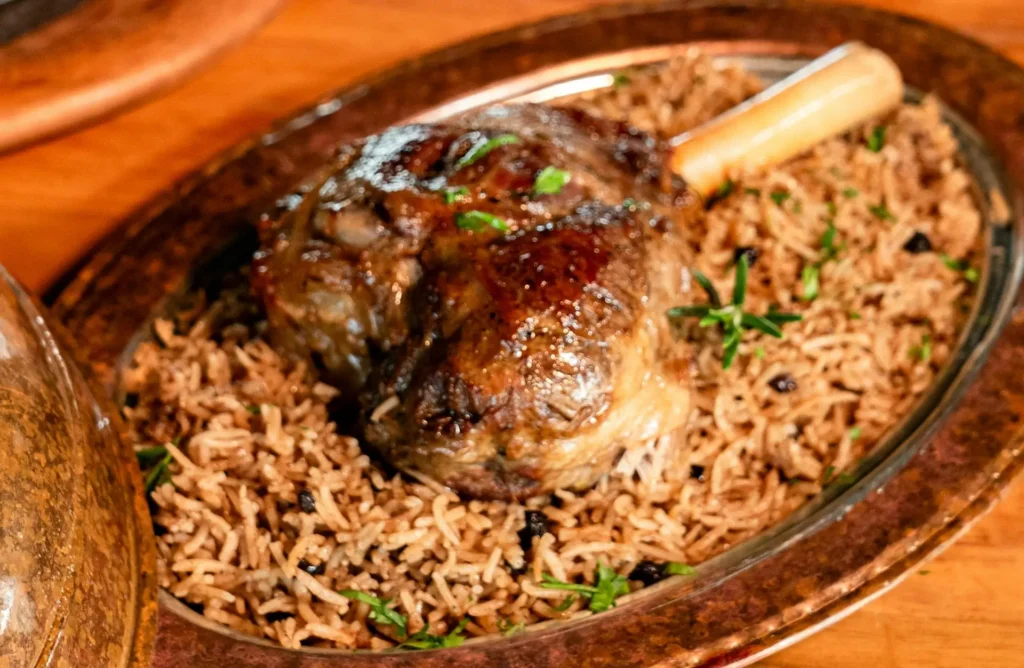
The local food scene provides a hearty introduction to central Anatolian cuisine. You must try Ankara Tava, a signature local dish consisting of tender, slow-cooked lamb served over rich, flavorful orzo pasta or rice. Additionally, the city is famous for its exceptional döner kebab, which locals proudly claim is the best in the country due to the high quality of regional beef and lamb.
Wining and dining experiences here range from casual street-food vendors to elegant, white-tablecloth establishments. The upscale neighbourhoods of Gaziosmanpaşa and Çankaya host a variety of international restaurants and chic bistros perfect for diplomatic dinners or romantic evenings. Furthermore, Turkey’s famous Kavaklıdere wine brand originated here, meaning you can easily find excellent local Anatolian wines to pair with your evening meals.
Ankara Accommodation on The Map
Nightlife in Ankara
Because of the massive student population, the nightlife is incredibly energetic and diverse. The busty street of Tunalı Hilmi and the lively neighbourhood of Bahçelievler are packed with modern pubs, intimate jazz clubs, and vibrant shisha lounges. While it lacks the massive super-clubs of Istanbul, the capital thrives on live music, offering countless venues where you can watch excellent Turkish rock, indie, and pop bands perform until the early hours.
Useful Information
For some other interesting or useful information, visitors should know that the city was historically known as “Angora.” This ancient name is the origin for several world-famous animal breeds known for their soft hair, including the Angora rabbit, the Angora goat (which produces mohair), and the striking Angora cat. Additionally, the climate is strictly continental; expect very hot, dry summers and bitterly cold, snowy winters, making spring and autumn the most comfortable seasons to visit.