
The Best-Known Berlin Landmarks
The Brandenburg Gate
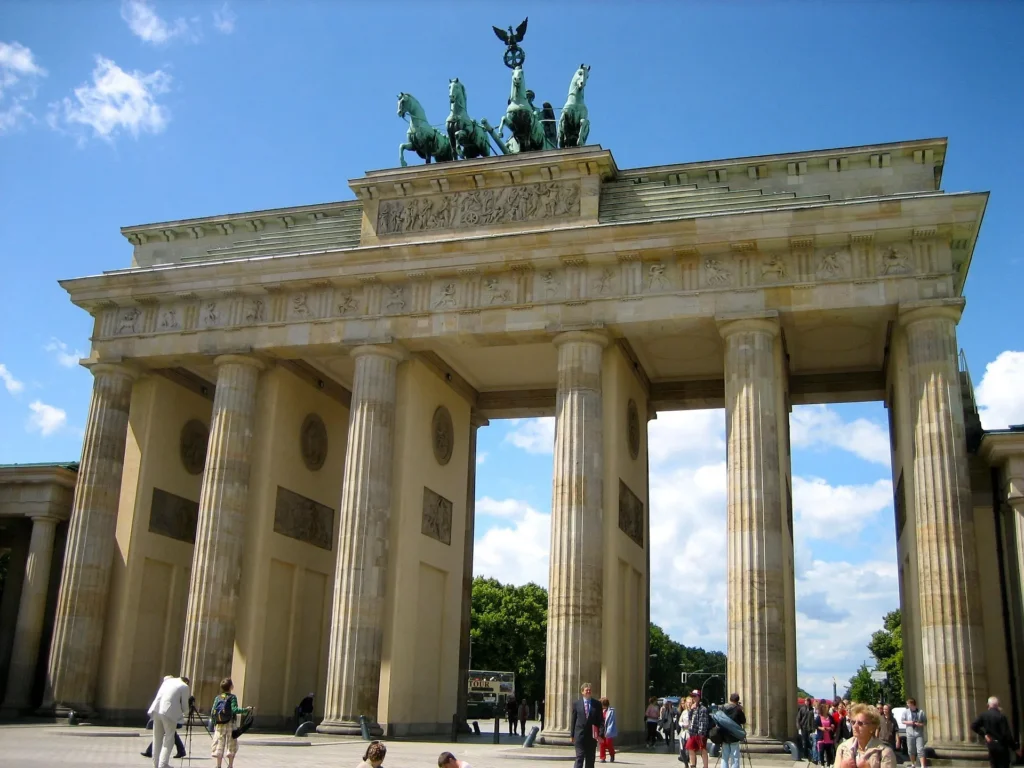
Beside the very attractive Pariser Platz square is the structure which has become a symbol of Berlin – the Brandenburg Gate – probably the best-known of the Berlin landmarks. It took 3 years to build and was finally revealed in 1791. Originally it was amongst numerous gates enclosing what was, back then, a small city. Many landmark buildings still stand today on Pariser Platz – for example the Academy of the Arts, the Hotel Adlon, and the American and UK embassies. Head south of the square to pay your respects at the Holocaust Memorial.
The Reichstag
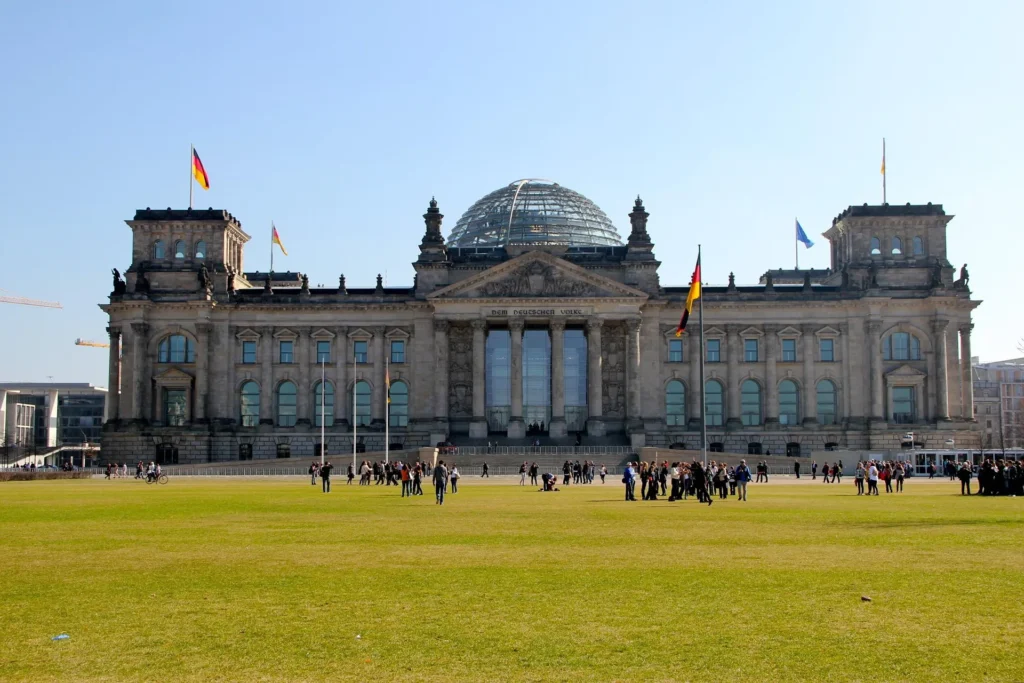
When Berlin took over the status of capital city from Bonn in the early 90s, the Reichstag building, dating from the late 19th century, was completely renovated and updated. A glass dome was constructed, offering a 360° panorama of Berlin. After its refurbishment, several notable buildings sprang up around the Reichstag, like the Federal Chancellery and the new Central Train Station (Hauptbahnhof). The Victory Column, dating from the late 19th century, previously stood facing the Reichstag for 67 years. It now stands at Grosser Stern – in the late 1930s, the Nazis moved it here as they felt it was a more prestigious location.
Te Reichstag is one. of the iconic Berlin. Landmarks sinc re-unification.
Unter den Linden
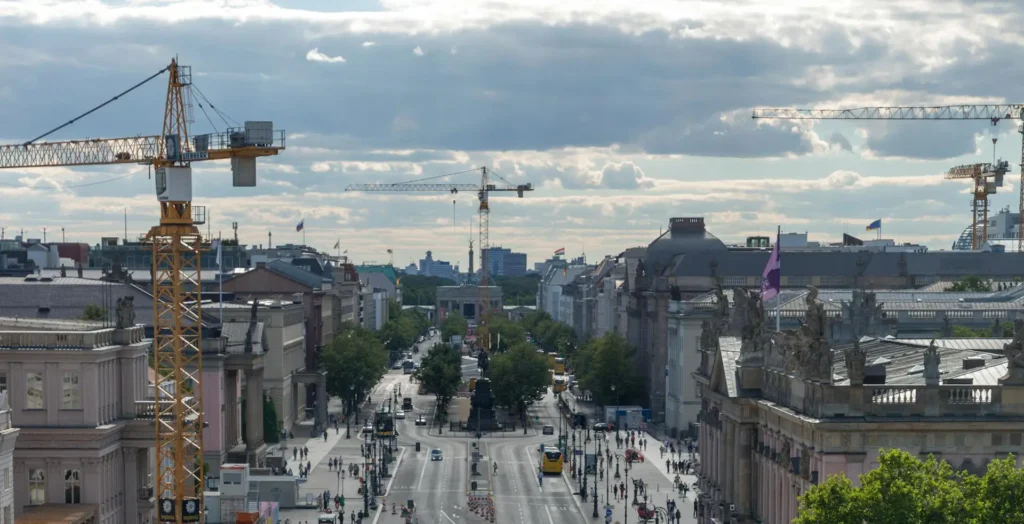
Unter den Linden is one of Berlin’s grandest boulevards, dating from the 1800s. It has aged very well, and many landmark buildings line its route, such as the Humboldt University, Berlin Cathedral, German Historical Museum and Berlin State Opera. It also crosses over Museum Island, which is home to the most significant exhibitions in the country.
The museums in which these exhibitions are housed are currently being refurbished so that they will have the same capacity that they boasted previous to World War II. The Berlin City Palace previously stood adjacent to the Old Museum on Museum Island, but was demolished during the time of the GDR. The Palace of the Republic was then built in its place, but more recently has also been demolished to make way for a museum remembering the Berlin City Palace, which is currently under construction.
The Ku’damm
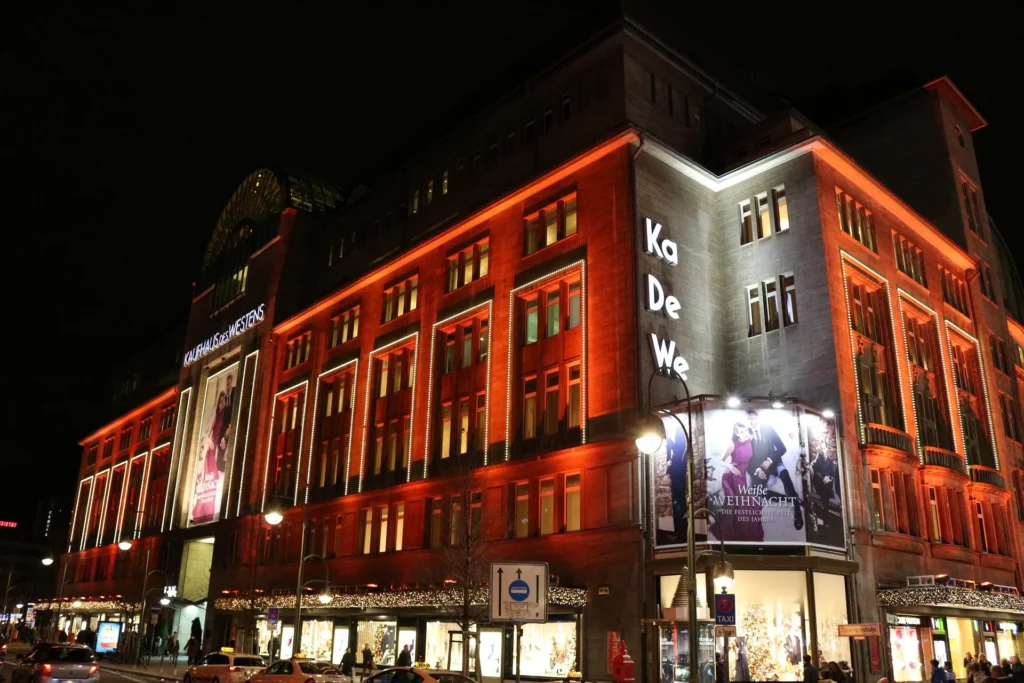
The Ku’damm, (fullname: The Kurfürstendamm) in West Berlin is one of the city’s premier shopping areas, and runs from what is left of the Kaiser Wilhelm Memorial Church at Breitscheidtplatz to the posh Halensee neighbourhood. When built, it served as the route by which the Prince Elector rode on horseback to his hunting mansion, but nowadays it is home to the most exclusive of high-end brand names. The biggest and most expensive of these is KaDeWe, at Tauentzienstrasse, which is an addition to Ku’damm. The Bahnhof Zoo train station is also located in the area.
Friedrichstrasse
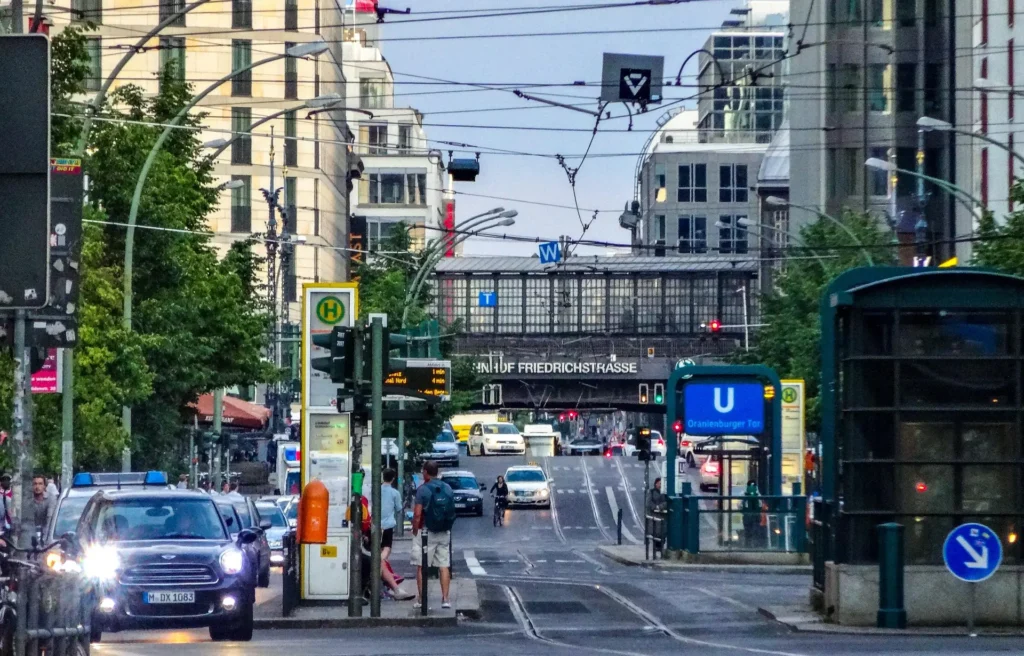
Friedrichstrasse, in East Berlin, is amongst the best known of Berlin’s streets and is lined by luxurious boutiques as well as high-end cafes and hotels. Over the past two decades it has undergone much restoration to bring it back to its former glory. During the era of the GDR, the Friedrichstrasse train station was where people passed between the two sides of the city and was a grim location dominated by bureaucracy and segregation. Down the road is the Gendarmenmarkt, generally accepted as amongst the prettiest of the city’s squares. The German Cathedral, Berlin Concert House and French Cathedral (all important Berlin landmarks) are all found here.
Tickets and Tours for Berlin Landmarks
Kaiser Wilhelm Memorial Church
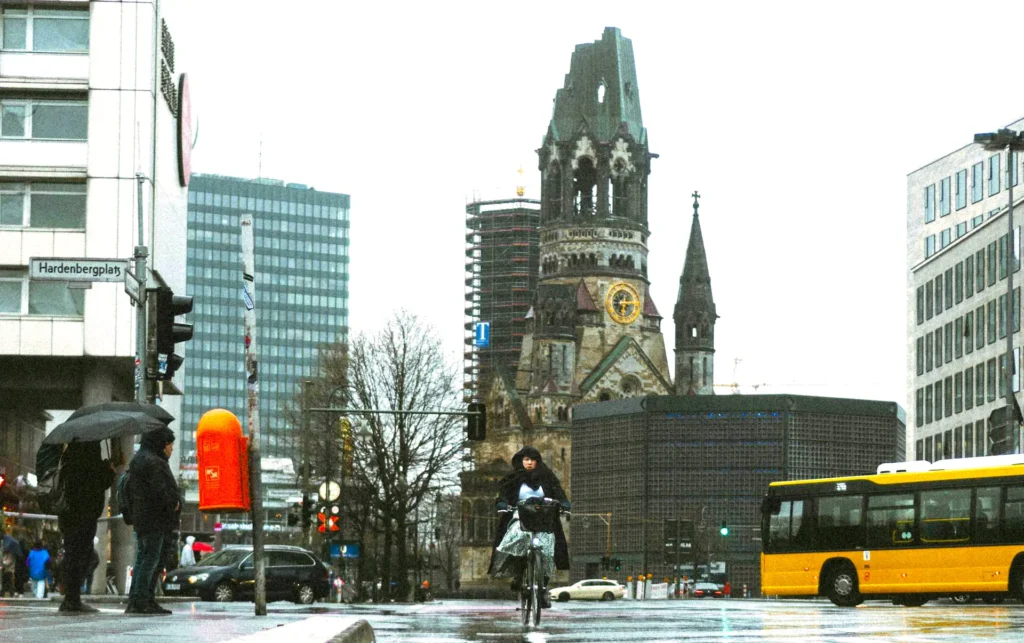
The Kaiser Wilhelm Memorial Church stands as Berlin’s most famous war monument and one of the outstanding Berlin landmarks, located in the western district of Charlottenburg. Built between 1891 and 1895, this Neo-Romanesque masterpiece was severely damaged during World War II bombing raids. Rather than demolishing the ruins, Berliners preserved the damaged church tower as a powerful reminder of the war’s devastation. In 1963, a modern octagonal chapel and bell tower were constructed alongside the ruins, creating a striking contrast between destruction and reconstruction that symbolises Berlin’s resilience and commitment to peace.
Gardens of The World
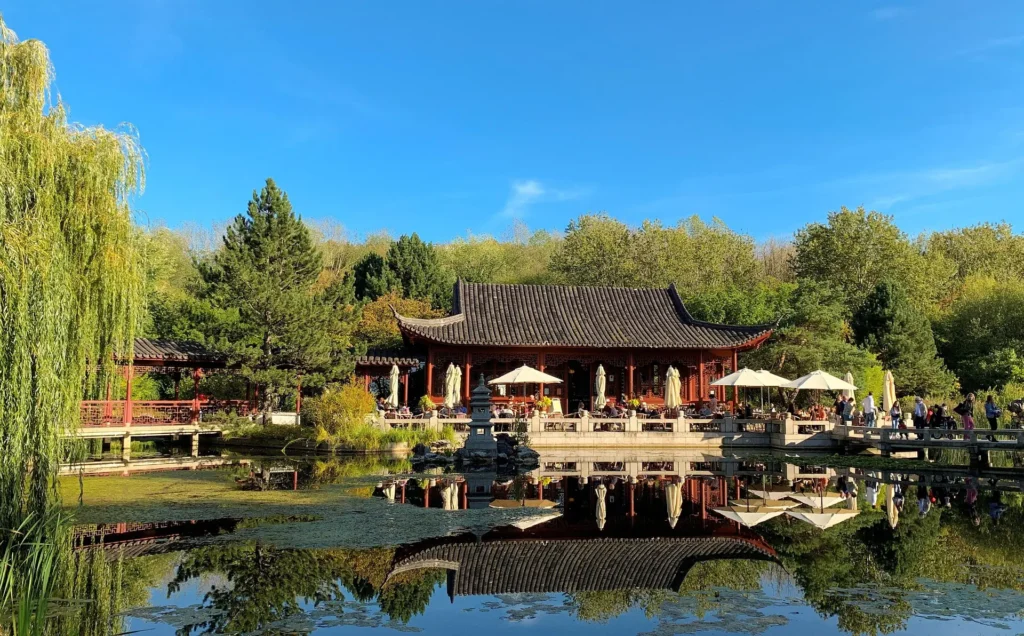
Gardens of the World (Gärten der Welt) is a sprawling botanical garden complex in Berlin’s Marzahn district, covering 43 hectares. Opened in 1987 during East Germany’s final years, it showcases diverse horticultural styles from around the globe, including Japanese, Chinese, Balinese, and Italian gardens. Each garden reflects authentic design principles and landscaping traditions from its respective culture.
The park features themed sections, seasonal flower displays, and peaceful walking paths lined with rare plants and trees. Today, it ranks among Europe’s most visited botanical gardens, offering visitors a world tour of global gardens in a single location.
Sanssouci Palace
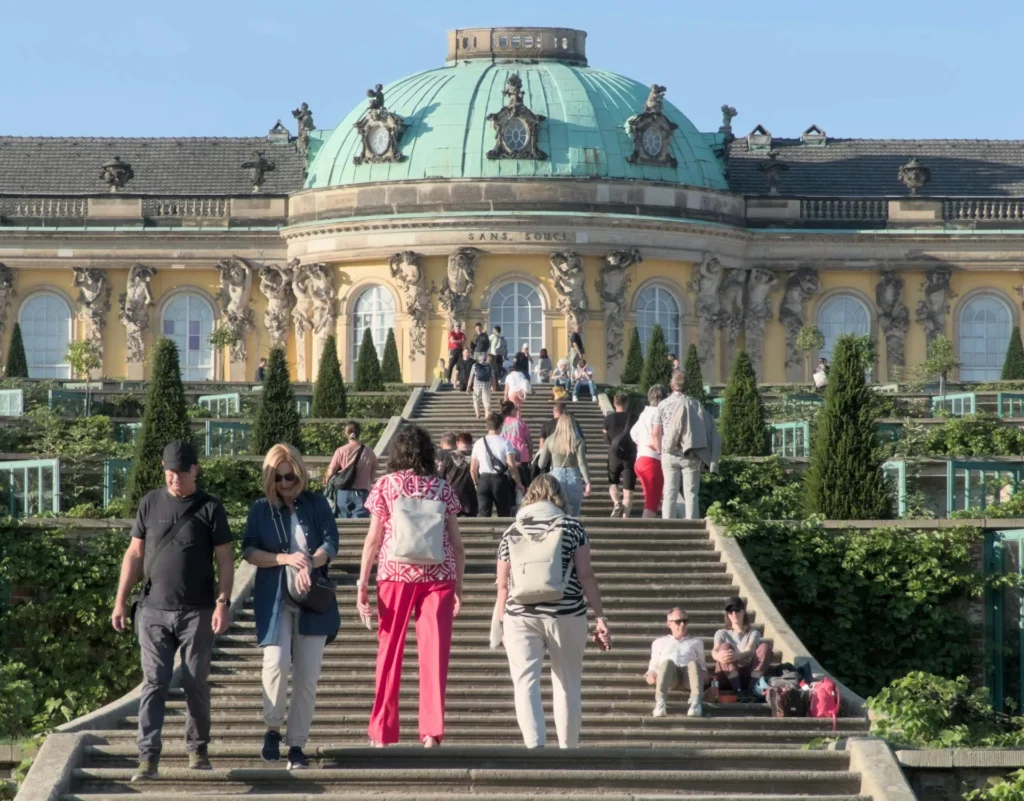
Sanssouci Palace is a magnificent Rococo masterpiece located in nearby Potsdam (just outside Berlin), serving as the summer residence of Prussian King Frederick the Great. Built between 1745 and 1747, the palace exemplifies 18th-century architectural splendor with its elegant façade and opulent interiors adorned with gilt details and fine art. The name “Sanssouci” means “without worry,” reflecting Frederick’s desire for a peaceful retreat. The palace is renowned for its stunning terraced gardens featuring fountains, sculptures, and manicured lawns. As a UNESCO World Heritage Site, Sanssouci remains one of Germany’s most visited cultural landmarks and a symbol of Prussian power and sophistication.