
Kyoto
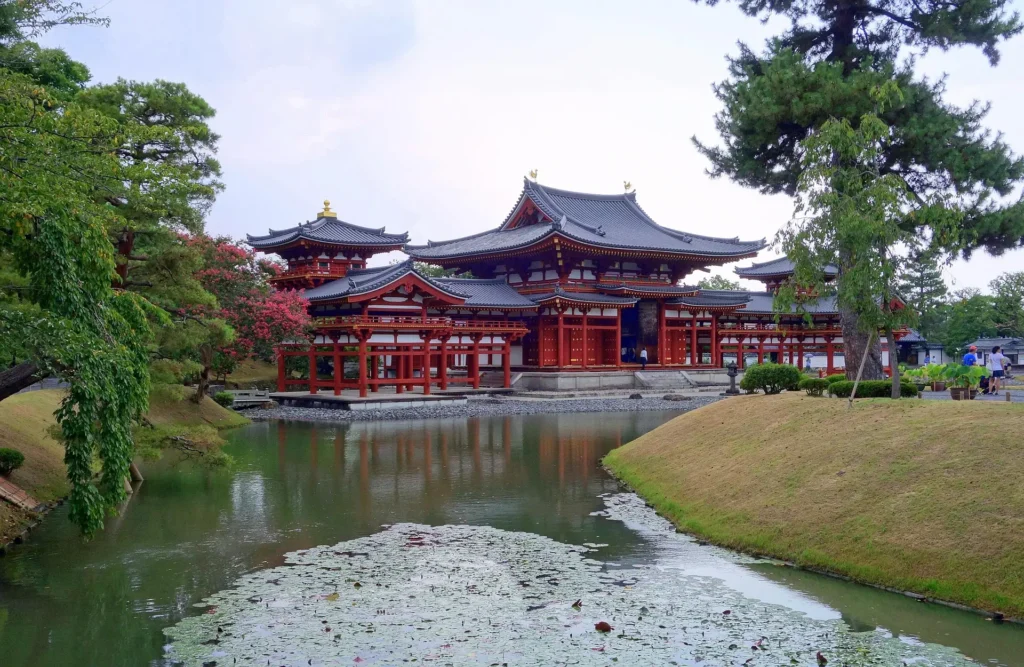
Kyoto, Japan, serves as the ultimate bridge between the ancient and the modern, preserving the soul of traditional Japan while embracing the conveniences of the twenty-first century. As the former imperial capital for over a millennium, this city is home to an unparalleled concentration of UNESCO World Heritage sites, breathtaking gardens, and immaculately preserved historic districts. This comprehensive Kyoto travel guide is essential for navigating this culturally rich destination.
Visiting Kyoto: When to Go and What to Expect
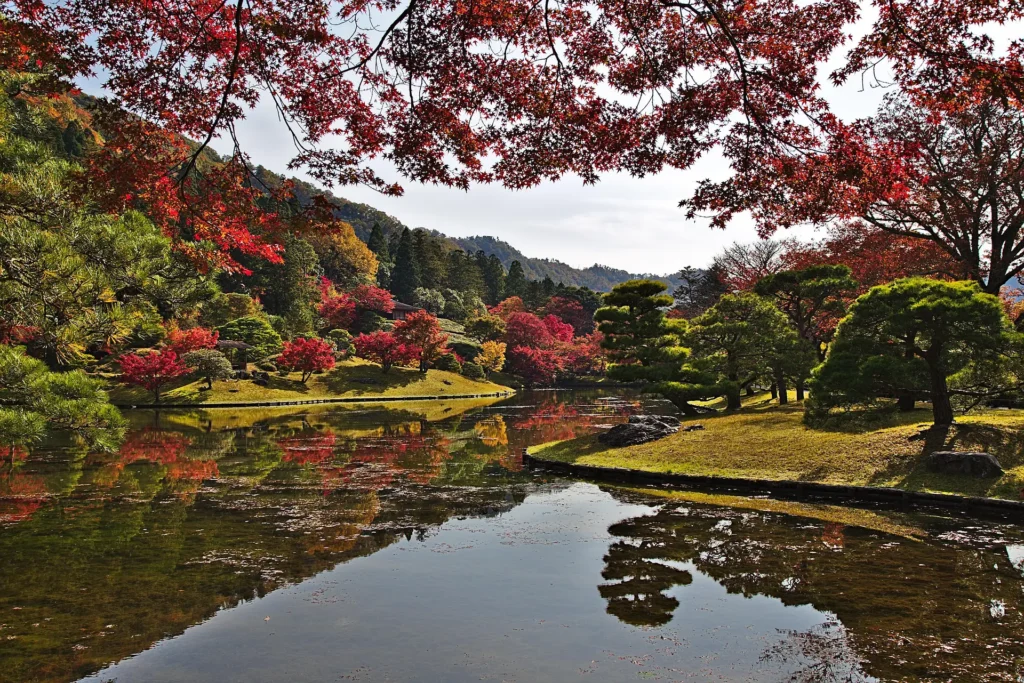
The best times for visiting Kyoto are during the spring and autumn months, when the city undergoes spectacular natural transformations. Late March to early April brings the world-famous cherry blossoms (sakura), painting the city in delicate shades of pink. Conversely, November offers striking autumn foliage (koyo), turning the temple gardens into a fiery canvas of red and gold.
Summer in Kyoto can be quite hot and humid, while winters are cold and occasionally see a light, picturesque dusting of snow over the temple roofs. Regardless of when you visit, expect a city that requires a fair amount of walking, so comfortable footwear is an absolute necessity. The atmosphere is generally tranquil and respectful, requiring visitors to remain mindful of local customs and noise levels, especially in residential and religious areas.
Airports and Transport Options
Kyoto does not have its own dedicated commercial airport, but it is highly accessible via neighboring cities. Most international travellers fly into Kansai International Airport (KIX) in Osaka, which is located about 75 minutes away via the direct JR Haruka Express train. Alternatively, domestic flights land at Osaka Itami Airport (ITM), which offers easy limousine bus connections directly to central Kyoto.
Once you arrive, navigating the city requires a mix of different Kyoto transport options. While the city does have a subway system, it is relatively limited, making the extensive public bus network the most popular way to reach major attractions.
Renting a bicycle is highly recommended, as Kyoto is remarkably flat and features well-maintained roads, making it one of the most bicycle-friendly cities in Asia. If you plan to travel between major Japanese cities, investing in a Japan Rail (JR) Pass can save you hundreds of USD on bullet train (Shinkansen) fares.
Top 10 Visitor Attractions in Kyoto
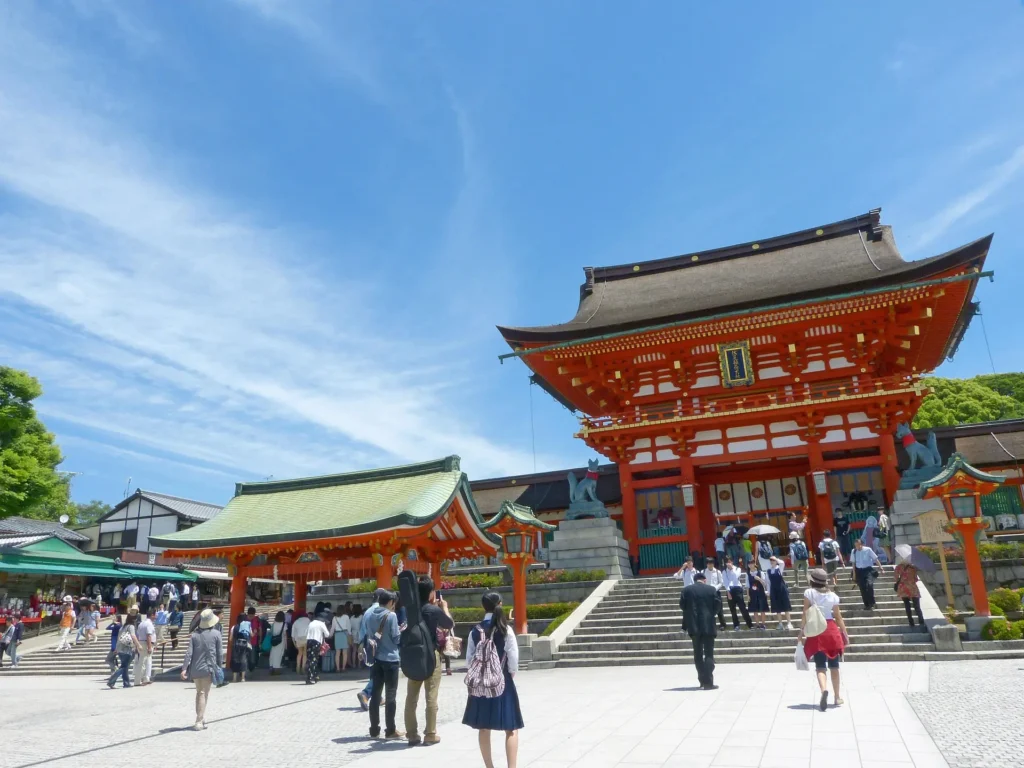
- Fushimi Inari Taisha: Famous for its thousands of vibrant vermilion torii gates winding up the scenic Mount Inari.
- Kinkaku-ji (The Golden Pavilion): A breathtaking Zen Buddhist temple completely covered in gold leaf, reflecting perfectly in the surrounding pond.
- Kiyomizu-dera: An iconic wooden temple offering sweeping panoramic views of the city from its massive hillside veranda.
- Arashiyama Bamboo Grove: A mesmerizing, otherworldly pathway flanked by towering, green bamboo stalks.
- Nijo Castle: A historic shogun residence known for its ornate architecture and unique “nightingale floors” designed to chirp when walked upon to warn of intruders.
- Gion District: Kyoto’s most famous geisha entertainment district, filled with traditional wooden machiya houses and upscale teahouses.
- Ginkaku-ji (The Silver Pavilion): A beautifully understated temple complex renowned for its meticulously raked dry sand garden.
- Nishiki Market: Known as “Kyoto’s Kitchen,” this bustling five-block shopping street is packed with over a hundred stalls selling local delicacies.
- Ryoan-ji: Home to Japan‘s most famous and enigmatic minimalist Zen rock garden.
- Philosopher’s Path: A picturesque pedestrian stone path that follows a cherry-tree-lined canal, perfect for a contemplative afternoon stroll.
Tours and Tickets
Kyoto’s Culinary Scene: Food, Wining, and Dining
The Kyoto food scene is a sophisticated tapestry of delicate flavors and seasonal ingredients. The pinnacle of local dining is Kaiseki ryori, a traditional multi-course dinner that balances taste, texture, and visual presentation, often costing anywhere from 100 USD to 300 USD per person. For more casual dining, Kyoto is famous for yudofu (tofu hot pot), a staple dish created by Buddhist monks, and matcha-flavored everything, from rich green tea soba noodles to decadent ice cream.
When it comes to wining and dining, the Fushimi district is one of Japan’s leading sake-producing regions, thanks to its pristine groundwater. Visitors can tour historic breweries and enjoy extensive sake-tasting sessions. For everyday dining, you will find countless ramen shops, sushi bars, and yakitori joints tucked away in narrow alleys, offering incredible meals for under 15 USD.
Immersing in Culture and Architecture
Kyoto’s culture and architecture are inseparable, visually narrating the history of Japan. The city landscape is defined by traditional machiya—long, wooden townhouses with narrow facades that once housed merchants and artisans. Many of these have been beautifully restored and repurposed into boutique hotels, cafes, and galleries.
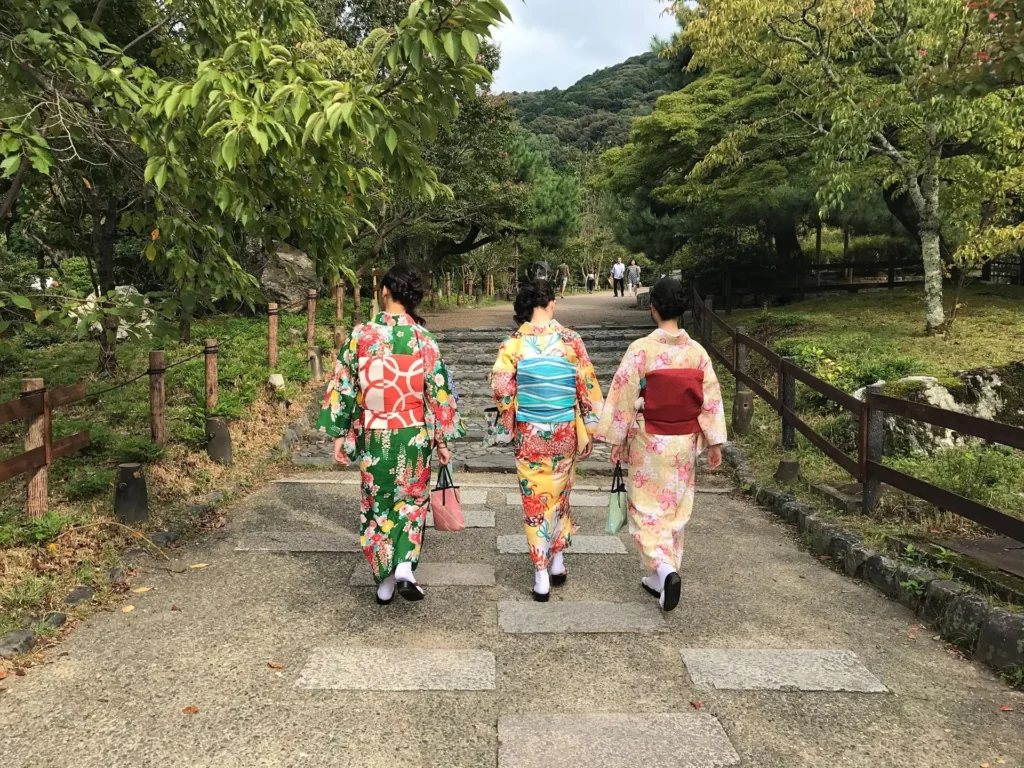
To truly experience traditional Japanese culture, visitors should partake in a traditional tea ceremony (chado), which emphasizes mindfulness, respect, and harmony. Renting a kimono or yukata for the day to stroll the historic streets of Higashiyama is another highly popular cultural activity, offering a tactile connection to the city’s elegant past.
Kyoto Nightlife: After Dark
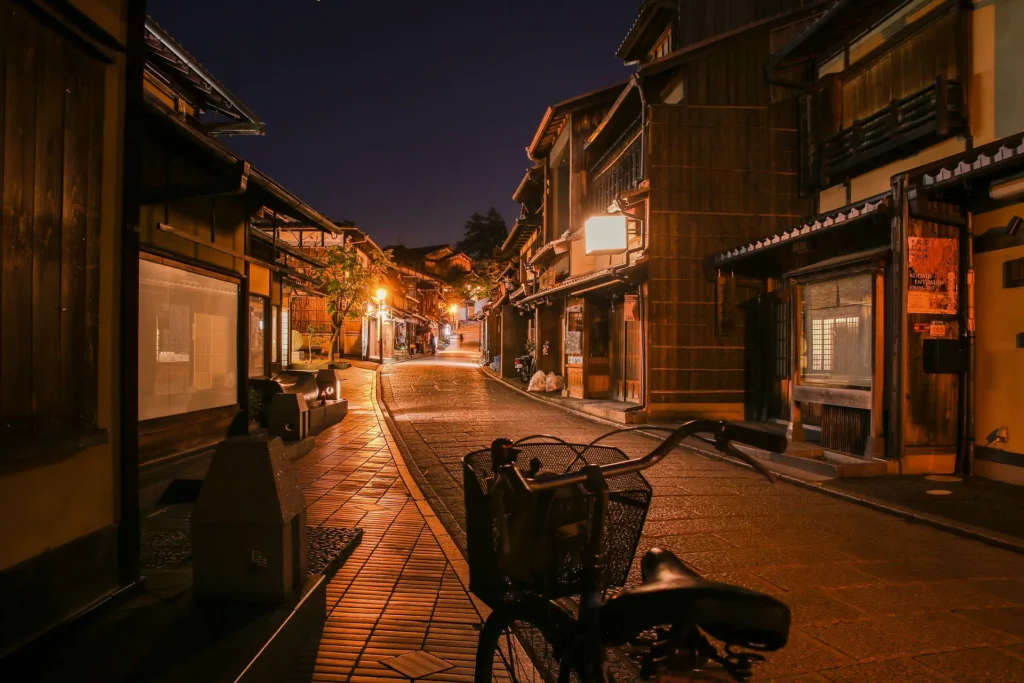
While it lacks the neon-drenched chaos of Tokyo or Osaka, Kyoto nightlife offers a refined, atmospheric experience. The primary hubs for evening entertainment are Pontocho Alley and Kiyamachi Street, both running parallel to the Kamo River. Pontocho is a narrow, lantern-lit alley packed with exclusive restaurants, hidden cocktail bars, and traditional teahouses where you might spot a geisha or maiko hurrying to an appointment.
Kiyamachi is slightly more energetic, featuring a wide array of izakayas (Japanese gastropubs), standing bars, and small live music venues. During the warmer months, restaurants along the river construct kawayuka (temporary wooden platforms), allowing patrons to enjoy their food and drinks outdoors over the cooling water.
Kyoto Accommodation on The Map
Useful Information for Travellers
While Japan is increasingly accepting credit cards, Kyoto remains largely a cash-based society, especially at smaller shrines, local markets, and family-owned restaurants; always carry plenty of Japanese Yen (JPY). Tipping is not practiced in Japan and can even cause confusion or polite refusal, as excellent service is considered a standard expectation.
Finally, utilizing luggage forwarding services (Takuhaibin) to send your heavy bags directly to your hotel from the airport or previous destination is an inexpensive luxury (usually around 15 USD to 25 USD) that makes navigating the public transit system much easier.