
Hiking in Canada: Top Trails, Essential Tips
Canada is an unparalleled destination for outdoor enthusiasts, offering some of the most diverse and spectacular wilderness on the planet. There are great opportunities for hiking in Canada: from the jagged peaks of the Rocky Mountains to the rugged coastal cliffs of the Atlantic, the country has a trail network that caters to every skill level. Whether you are seeking a multi-day backcountry expedition or a family-friendly day hike, hiking in Canada provides an unforgettable way to connect with nature.
Prepare for Hiking in Canada by doing Research
The vastness of the Canadian landscape means that terrain, climate, and wildlife vary drastically from province to province. Preparing for a hike here requires more than just lacing up your boots; it demands research, respect for the wilderness, and a thorough understanding of the specific region you plan to explore.
Quick Comparison of Canada’s Premier Trails
To help you choose your next adventure, here is a quick overview of some of the most celebrated hikes across the country. Some of these trails are quite long and require a good degree of planning to complete over several days.
| Trail Name | Location | Difficulty | Distance | Key Highlight |
|---|---|---|---|---|
| West Coast Trail | British Columbia | Expert | 75 km | Old-growth forests and coastal ladders |
| Plain of Six Glaciers | Alberta | Moderate | 14.6 km | Massive glaciers and a historic teahouse |
| Skyline Trail | Nova Scotia | Easy/Moderate | 6.5 km – 8.2 km | Dramatic ocean cliffs and moose spotting |
| Grizzly Lake Trail | Yukon Territory | Challenging | 11 km (one way) | otherworldly tundra and jagged black peaks |
| The Bruce Trail | Ontario | Varies | 900 km (total) | Waterfalls and the Niagara Escarpment |
Don’t Fancy Organising it Yourself?
Top Hiking in Canada Destinations and Trails Detailed
1. West Coast Trail (British Columbia) Located in Pacific Rim National Park Reserve, the West Coast Trail is a legendary bucket-list trek for serious backpackers. This 75-kilometre coastal route is notoriously challenging, requiring hikers to navigate deep mud, negotiate tidal zones, and climb over 100 ladders built into the coastal cliffs. The reward is unparalleled access to pristine beaches, old-growth rainforests, and abundant marine wildlife. Due to its popularity, reservations are mandatory, and spots fill up months in advance.
2. Plain of Six Glaciers (Alberta) Situated in the heart of Banff National Park, this trail offers quintessential Canadian Rockies scenery without requiring backcountry camping. Starting from the iconic Lake Louise, the trail steadily climbs through a breathtaking U-shaped valley, surrounded by towering, snow-capped peaks. At the top, hikers are treated to sweeping views of the Victoria Glacier and can enjoy a warm meal at the historic Plain of Six Glaciers Teahouse. It is a moderate hike that perfectly balances effort with spectacular alpine rewards.
3. Skyline Trail (Nova Scotia) For those visiting the East Coast, the Skyline Trail in Cape Breton Highlands National Park is an absolute must-do. This relatively easy, looping trail takes hikers out to a dramatic headland cliff overlooking the Gulf of St. Lawrence. It is renowned as one of the best places in the province to spot moose in the wild, as well as whales swimming in the ocean far below. The wooden boardwalks make it highly accessible for families and casual walkers.
4. Grizzly Lake Trail (Yukon) If you want to experience the raw, untamed wilderness of the Far North, Tombstone Territorial Park offers a landscape unlike anywhere else on earth. The hike to Grizzly Lake is a challenging, steep ascent through alpine tundra, culminating in views of jagged, black syenite peaks piercing the sky. The weather here is highly unpredictable, and hikers must be prepared for snow even in the middle of summer.
Essential Tips for Hiking in Canada
Hiking in the Canadian wilderness comes with specific environmental and logistical challenges. Being adequately prepared when hiking in Canada is the key to a safe and enjoyable trip.
- Wildlife Safety: Canada is home to apex predators, including black bears, grizzly bears, and cougars.
- Bear encounters are rare but can be dangerous. Hike in groups of four or more when possible, use your voice to call out regularly (especially near loud streams or blind corners), and learn how to properly deploy bear spray. Never approach or feed wildlife, and store all food in bear-proof lockers when camping.
- Weather Readiness: Mountain and coastal weather can change in an instant. Always pack clothing layers, including a waterproof shell and insulating mid-layers. Avoid cotton, as it retains moisture and can lead to hypothermia; instead, opt for merino wool or synthetic fabrics.
- Navigation: While popular trails in Banff or Jasper are well-marked, backcountry routes can be faint. Always carry a physical topographic map and a compass. For digital navigation, consider downloading offline maps using apps like `AllTrails` or `Gaia GPS`, but never rely solely on a battery-powered device.
- Park Passes and Fees: To access National Parks, you will need to purchase a park pass. A daily pass costs around 11 CAD per adult, while a Parks Canada Discovery Pass (valid for a full year across all national parks) costs approximately 75 CAD for an adult or 150 CAD for a family group.
Best Time for Hiking in Canada
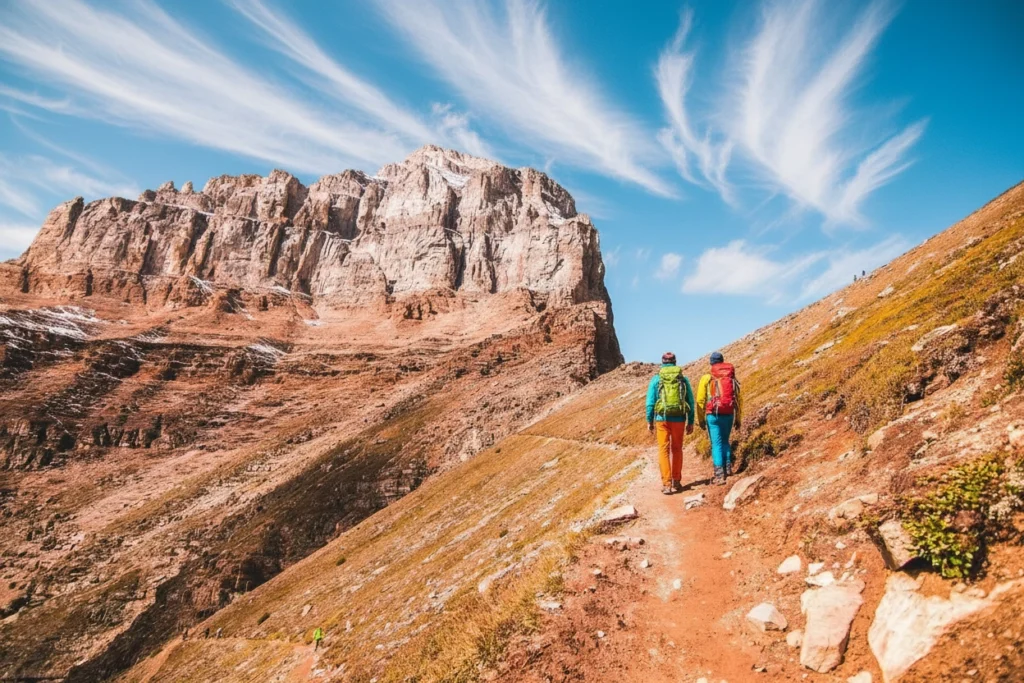
The primary hiking season in Canada runs from late June to early September. During this window, the majority of the snow has melted from high-elevation mountain passes, and the weather is generally warm and stable. However, this is also peak tourist season, meaning trails will be crowded and accommodations should be booked far in advance.
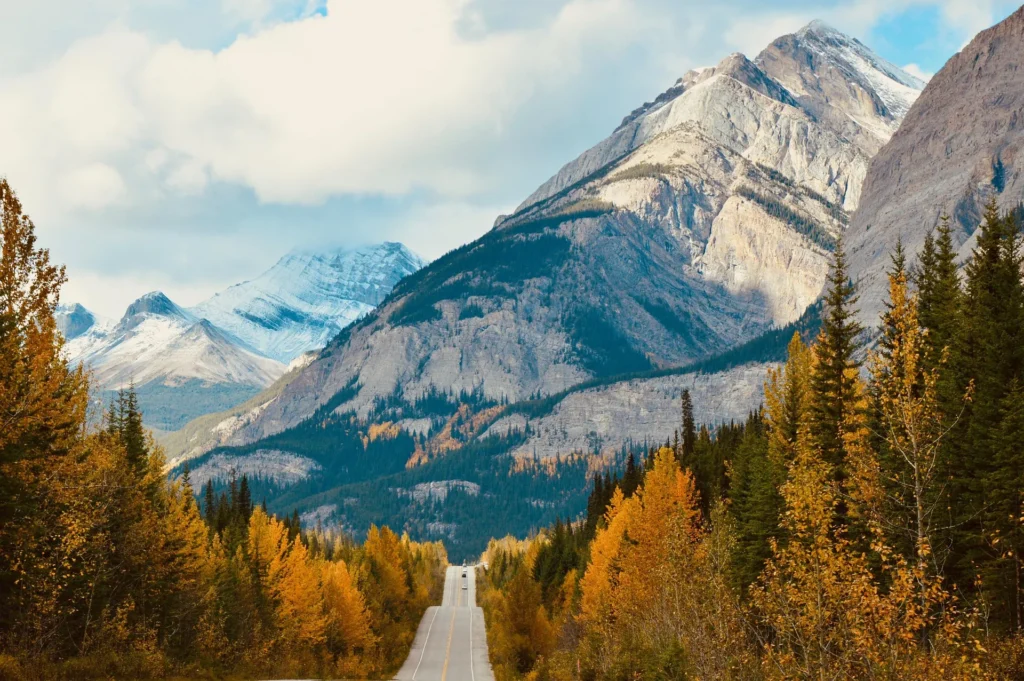
If you prefer solitude, the shoulder seasons (May-June and September-October) offer beautiful hiking conditions at lower elevations. September, in particular, is highly recommended for hiking in the Rockies, as the “larch madness” begins—a unique phenomenon where the needles of alpine larch trees turn a brilliant, fiery gold before falling off for the winter.
Summary
- Canada offers incredibly diverse hiking, from the coastal rainforests of BC to the rugged highlands of Nova Scotia.
- The West Coast Trail and Grizzly Lake are ideal for advanced hikers seeking a challenge, while the Skyline Trail and Plain of Six Glaciers offer massive rewards for moderate effort.
- Bear safety is non-negotiable; carrying bear spray and making noise are critical practices.
- Weather is unpredictable; always pack moisture-wicking layers and waterproof gear.
- A Parks Canada Discovery Pass (approx. 75 CAD) is the most cost-effective way to explore multiple national parks.
- Aim for July through September for high-alpine hikes, or September for spectacular autumn foliage.