

Information About Strasbourg
Discovering Strasbourg, France: The Ultimate Travel Guide
Strasbourg, France, is a mesmerising city where the romantic allure of French culture seamlessly blends with the structured efficiency and folklore of Germany. Located on the border of the two countries in the historic Alsace region, this dynamic European city offers visitors a unique, dual-identity experience. Whether you are wandering through cobblestone streets, marvelling at towering Gothic architecture, or savouring hearty local cuisine, Strasbourg promises an unforgettable journey. This comprehensive guide will help you navigate everything from transport and top attractions to the city’s vibrant nightlife and rich architectural heritage.
Why You Should Visit Strasbourg
Visiting Strasbourg is like stepping into a beautifully illustrated fairy tale, complete with winding canals, flower-decked bridges, and centuries-old half-timbered houses. As the capital of the Grand Est region, it serves as the cultural and economic heart of Alsace. The city is renowned globally for hosting the oldest and most famous Christmas market in France, the Christkindelsmärik, transforming the city into a winter wonderland every December. Beyond the holidays, Strasbourg is a year-round destination offering lush parks, lively festivals, and a deeply ingrained café culture.
The city’s unique position at the crossroads of Europe has fostered a remarkably diverse and welcoming atmosphere. You will often hear a mix of French, German, and the local Alsatian dialect spoken in the bustling public squares. This rich cultural tapestry makes visiting Strasbourg an enriching experience for history buffs, food lovers, and casual explorers alike.
A historic treasure in its own right, the entire city centre in Strasbourg is a UNESCO World Heritage site.
Marvelling at Strasbourg’s Architecture
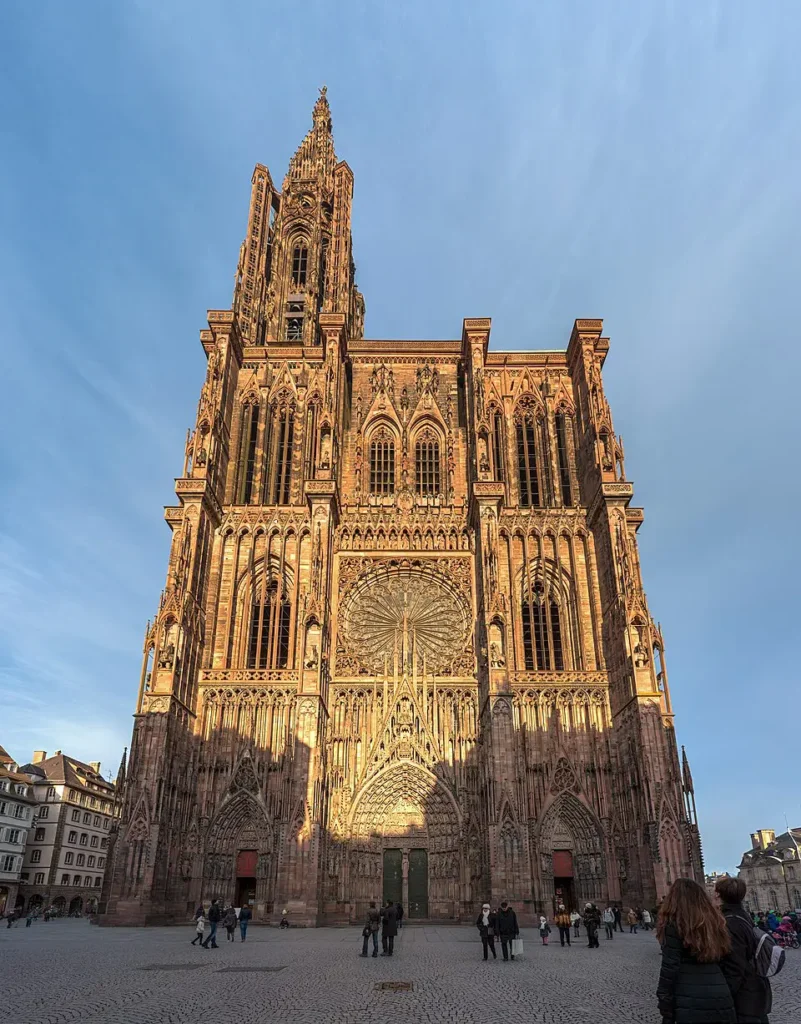
Strasbourg’s architecture is a visual timeline of its tumultuous and fascinating history, bouncing between French and German rule for centuries. A fusion of German and French influences, reaching back to the Middle Ages, it truly is a sight to see.The crowning jewel is undeniably the Cathédrale Notre-Dame de Strasbourg, a masterpiece of Rayonnant Gothic architecture that famously took over 400 years to build. Its intricate sandstone facade changes colour with the shifting sunlight, dominating the city skyline with its singular, towering spire.
Beyond the cathedral, the city is a study in architectural contrasts. To understand this, it helps to look at the two main historical districts:
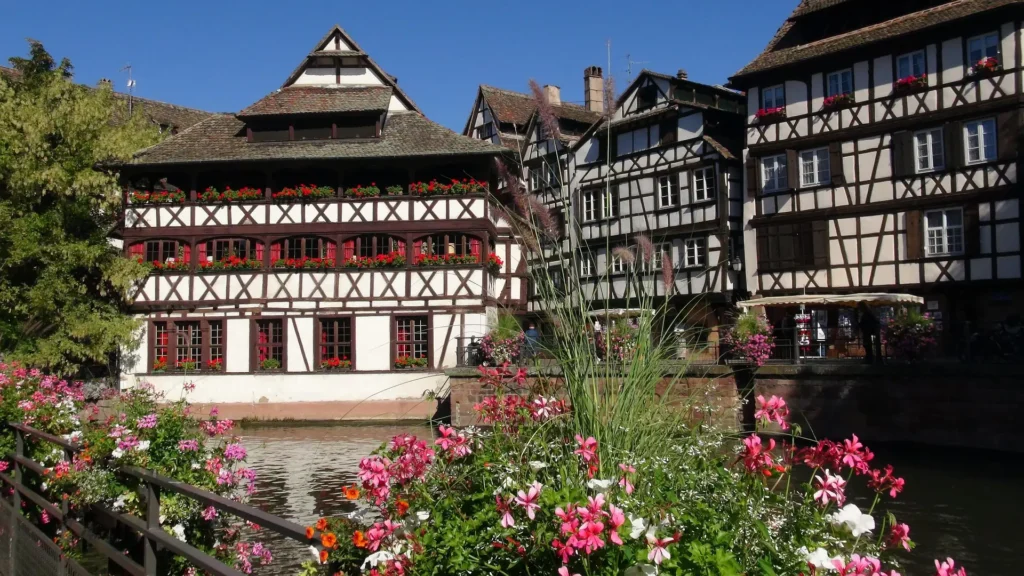
- The Grande Île (Grand Island) is the historic centre and a UNESCO World Heritage site, characterised by medieval alleys and the iconic half-timbered houses of the Petite France district.
- In stark contrast stands the Neustadt (New City), built during the German annexation (1871–1918). This district features wide boulevards, monumental public buildings, and stunning examples of Art Nouveau and neo-Renaissance architecture, designed to showcase German imperial power.
Getting There and Around: Transport and Airports
Navigating your way to and around Strasbourg is quite convenient thanks to its world-class infrastructure. The city is heavily geared towards sustainable travel, boasting one of the largest tram networks in France and hundreds of kilometres of dedicated cycling paths.
Airports Serving Strasbourg
International travellers have multiple excellent airport options when planning a trip to the region:
- Strasbourg Airport (SXB): Located just 10 kilometres from the city centre, this airport offers domestic flights and connections to major European hubs. A dedicated shuttle train whisks passengers to the central station in just 9 minutes.
- EuroAirport Basel-Mulhouse-Freiburg (EAP/BSL/MLH): Located about an hour and fifteen minutes south by train, this tri-national airport offers a much wider array of international and low-cost flights.
- Frankfurt Airport (FRA) & Paris Charles de Gaulle (CDG): Both major global hubs are easily accessible via direct high-speed trains to Strasbourg, taking roughly 2 to 2.5 hours.
Local Transport Options
| Transport Method | Description | Average Cost |
|---|---|---|
| Tram (CTS) | Six highly efficient lines covering the entire city and even crossing into Kehl, Germany. | 1.90 EUR per ticket |
| Bicycle (Vélhop) | Strasbourg is France’s most bike-friendly city; easily rent a green Vélhop cruiser. | The historic centre (Grande Île) is entirely pedestrianized and incredibly compact. |
| Walking | The historic centre (Grande Île) is entirely pedestrianised and incredibly compact. | Free |
| Boat Tours (Batorama) | Scenic glass-topped boat tours navigating the Ill River and city canals. | 14.50 EUR per tour |
Top 10 Must-Visit Attractions in Strasbourg
- Strasbourg Cathedral (Cathédrale Notre-Dame): This breathtaking Gothic masterpiece features a mesmerising astronomical clock and a 142-meter spire offering panoramic views of the city.
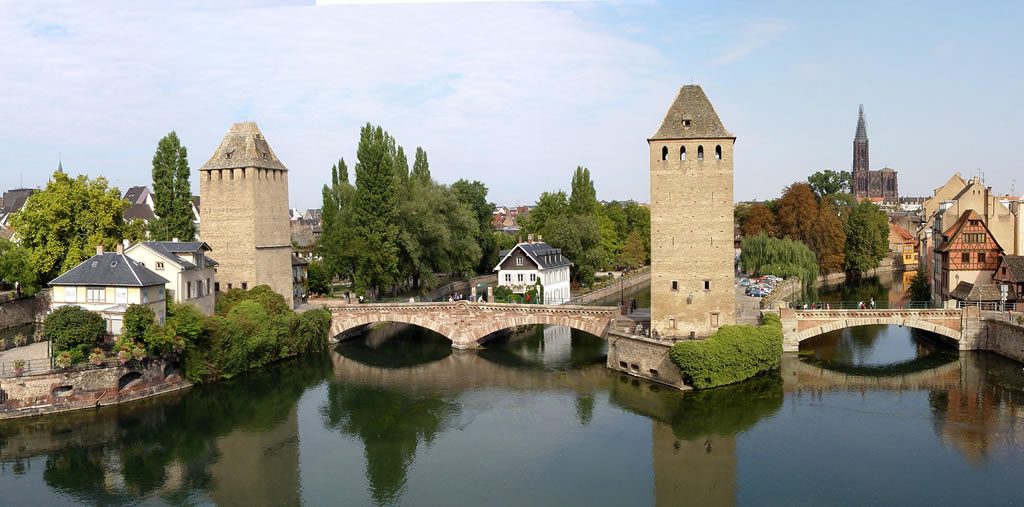
- La Petite France: The city’s most picturesque district is filled with historic half-timbered houses, winding canals, and weeping willows.
- Kammerzell House (Maison Kammerzell): A stunning, ornately carved 15th-century building that stands as the finest example of late Gothic domestic architecture in the city.
- Barrage Vauban: A 17th-century defensive weir and bridge offering spectacular, panoramic views of the city’s canals and towers from its panoramic roof terrace.
- Palais Rohan: This miniature Versailles served as the residence of prince-bishops and now houses three major museums: Fine Arts, Decorative Arts, and Archaeology.
- Ponts Couverts: A set of three bridges and four defensive towers dating back to the 13th century that once protected the water entry to the city.
- Parc de l’Orangerie: Strasbourg’s oldest and largest park is a romantic green space featuring a boating lake, a small zoo, and nesting storks.
- European Parliament: Visitors can tour the impressive, modern glass-and-metal hemicycle building where European Union lawmakers debate and vote.
- Musée d’Art Moderne et Contemporain (MAMCS): Located on the banks of the river, this expansive museum houses an impressive collection of modern art from 1870 to the present day.
- Place Kléber: The largest square in the center of Strasbourg, known as a bustling gathering place and the home of the city’s giant central Christmas tree in December.
Wining and Dining: A Taste of Alsace
The culinary scene in Strasbourg is a delightful collision of French refinement and German heartiness. The traditional eatery here is the Winstub, a cosy, wood-panelled tavern originally meant for wine producers to sell their surplus. Today, these lively establishments are the best places to try regional specialities, with a standard dinner typically costing between 25 EUR and 45 EUR per person.
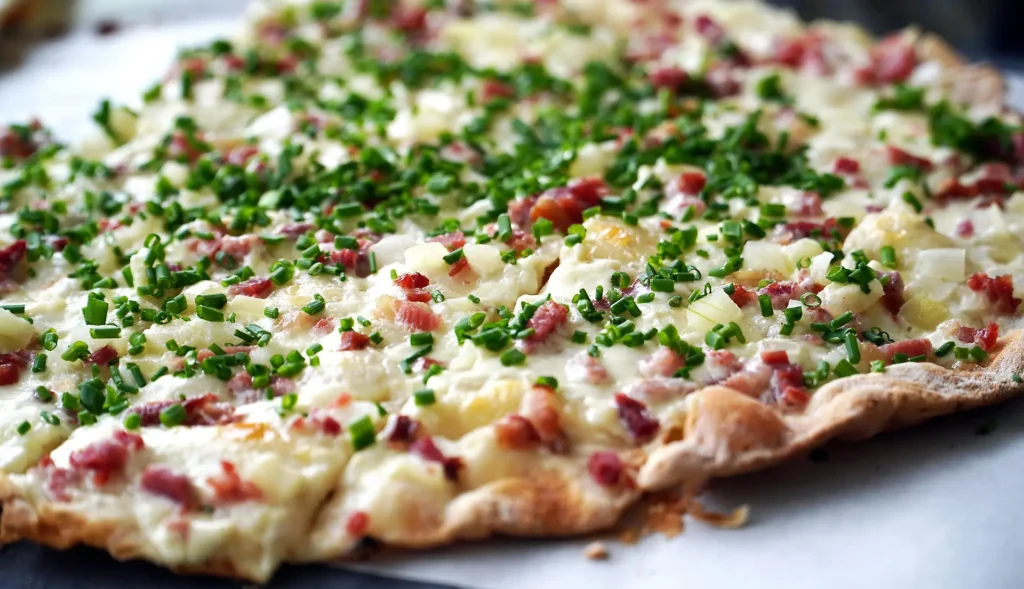
You cannot leave without trying Choucroute garnie, a colossal mountain of fermented cabbage topped with various sausages, salted meats, and potatoes. Another must-eat is the Flammekueche (or Tarte Flambée), an incredibly thin, crispy dough traditionally smothered in crème fraîche, thinly sliced onions, and smoked bacon lardons.
To wash it all down, look to the region’s world-famous vineyards. Alsace is unique in France for producing predominantly white wines named after their grape varieties. Expect to enjoy crisp, dry Rieslings, aromatic Gewürztraminers, and refreshing Pinot Gris that pair perfectly with the rich local cuisine.
The European Quarter: EU Institutions in Strasbourg
Strasbourg is famously one of the few cities in the world to host major international institutions without being a national capital. After World War II, the city was chosen as a symbol of reconciliation between France and Germany, making it the perfect home for the emerging European project. The dedicated European Quarter, located just northeast of the historic centre, contains striking, hyper-modern architecture that contrasts sharply with the medieval old town.
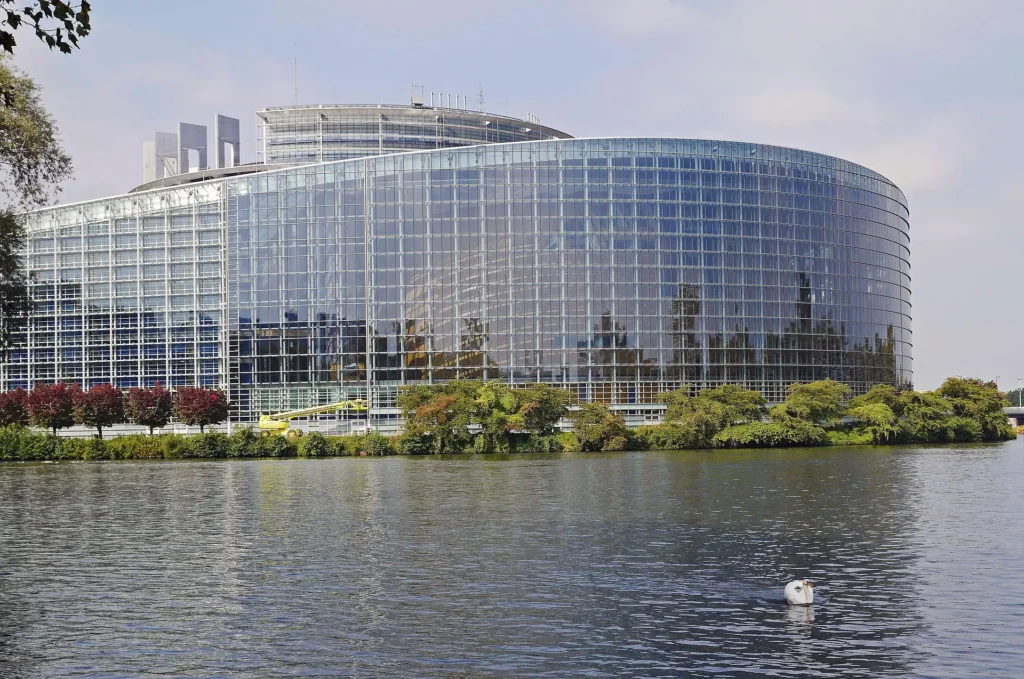
The most prominent institution is the European Parliament, where Members of the European Parliament (MEPs) gather for monthly plenary sessions in a massive, circular glass building designed to represent transparency. Nearby sits the Council of Europe, housed in the majestic Palais de l’Europe, which focuses on upholding human rights, democracy, and the rule of law across the continent. Finally, the European Court of Human Rights operates out of an iconic building designed by Richard Rogers, resembling the scales of justice along the riverbank.
Experiencing Strasbourg’s Nightlife
When the sun goes down, Strasbourg transforms from a historic postcard into a vibrant university town. The nightlife is fueled by a massive student population, ensuring a lively and diverse array of evening entertainment. The epicentre of nocturnal activity is the Krutenau district, a formerly working-class neighbourhood now packed with trendy bars, student pubs, and late-night eateries.
For a unique experience, head to the banks of the Ill River, where several large riverboats have been permanently converted into floating bars and nightclubs. Here, you can sip locally brewed craft beers or regional wines while the city lights reflect off the water. If you prefer a quieter evening, the area around the Cathedral features sophisticated wine bars where you can enjoy local vintages paired with regional cheese boards in a relaxed, historic setting.
Essential Travel Tips and Useful Information
To make the most of your visit, consider purchasing the Strasbourg Pass, which offers free or heavily discounted entry to museums, boat tours, and the cathedral’s viewing platform.
Best Time to Visit
The city is stunning year-round, but the absolute best times to visit are late spring (May and June) for warm weather and blooming flowers, or December for the magical, though very crowded, Christmas markets.
Keep in mind that while France uses the Euro (EUR), Strasbourg’s proximity to Germany means many locals easily cross the border for shopping; however, both sides utilise the same currency. Finally, learn a few basic French phrases like Bonjour (Hello) and Merci (Thank you), but don’t be surprised if locals greet you with a hearty regional Hopla! (Let’s go!).*
Interesting Posts about Strasbourg
Summary of Key Points
- Dual Heritage: Strasbourg offers a unique blend of French and German culture, architecture, and gastronomy.
- Easy Access: The city is highly accessible via the local Strasbourg Airport (SXB), nearby EuroAirport (EAP), and high-speed TGV trains from Paris and Frankfurt.
- Must-See Landmarks: Key attractions include the 400-year-old Gothic Cathedral, the charming canals of La Petite France, and the grand European Parliament.
- Hearty Cuisine: Local food features rich dishes like Choucroute and Flammekueche, best enjoyed in a traditional Winstub with a glass of local Riesling.
- Getting Around: The city is incredibly walkable and boasts one of France’s best tram (CTS) and cycling (Vélhop) networks.