

Information About Transylvania
Transylvania, Romania Travel Guide: Castles, Culture, and Alpine Charm
The Transylvania region is easily Romania‘s most popular tourist destination.
Stunning landscapes and charming medieval castles and towns combine to deliver an unforgettable experience.
This region is of course, also home to Bran Castle, more popularly known as Dracula’s Castle! But it is much more than that
Beyond the fog-laden myths of Bram Stoker’s Dracula lies one of Europe’s most preserved, naturally stunning, and culturally rich regions: Transylvania, Romania. Surrounded by the Carpathian Mountains, this famous region weaves medieval architecture, Saxon heritage, dense primeval forests, and a cutting-edge café culture into an unforgettable travel destination.
You can take a road-trip across alpine switchbacks, or wander through cobblestone citadels, or enjoy rustic farm-to-table cuisine, during your trip to this fascinating area of Eastern Europe.
Top Cities and Towns to Visit
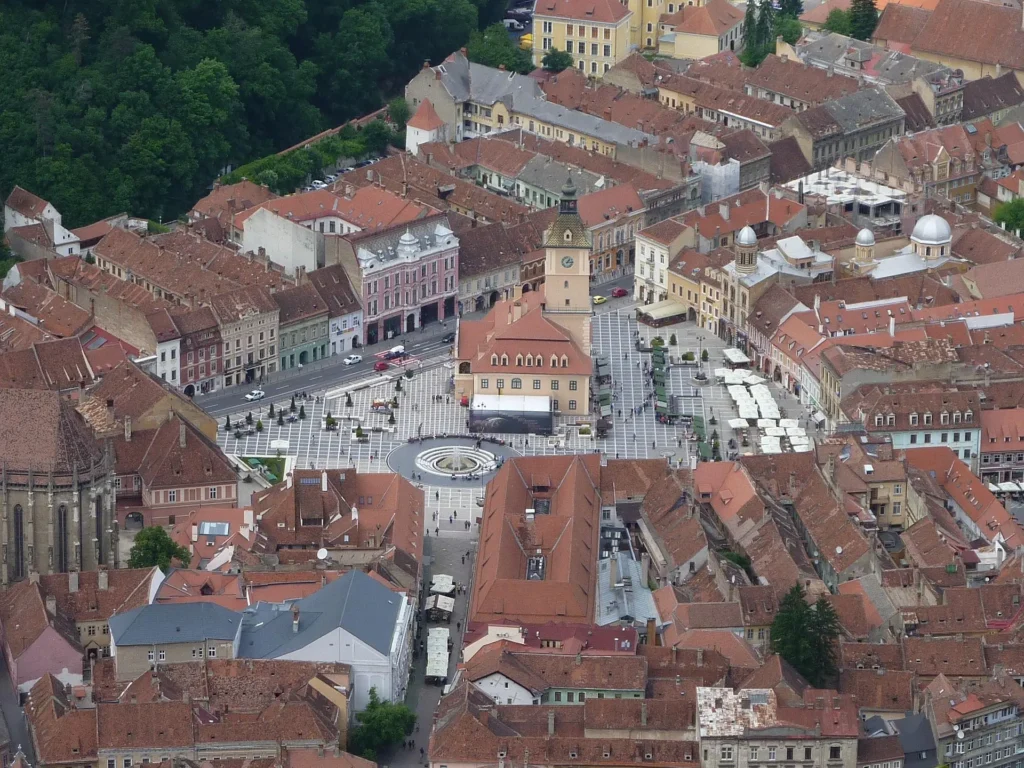
Transylvania is home to a network of historic settlements, each offering its own architectural personality and cultural charm.
1. Brașov
Framed by Mount Tâmpa, Brașov is often the gateway for visitors. Its centrepiece is the sprawling Council Square (Piața Sfatului) and the commanding Black Church (Biserica Neagră), a monumental Gothic structure surviving a devastating seventeenth-century fire. Brașov is also the ideal hub for day trips to nearby fortresses and alpine ski resorts like Poiana Brașov.
2. Sibiu
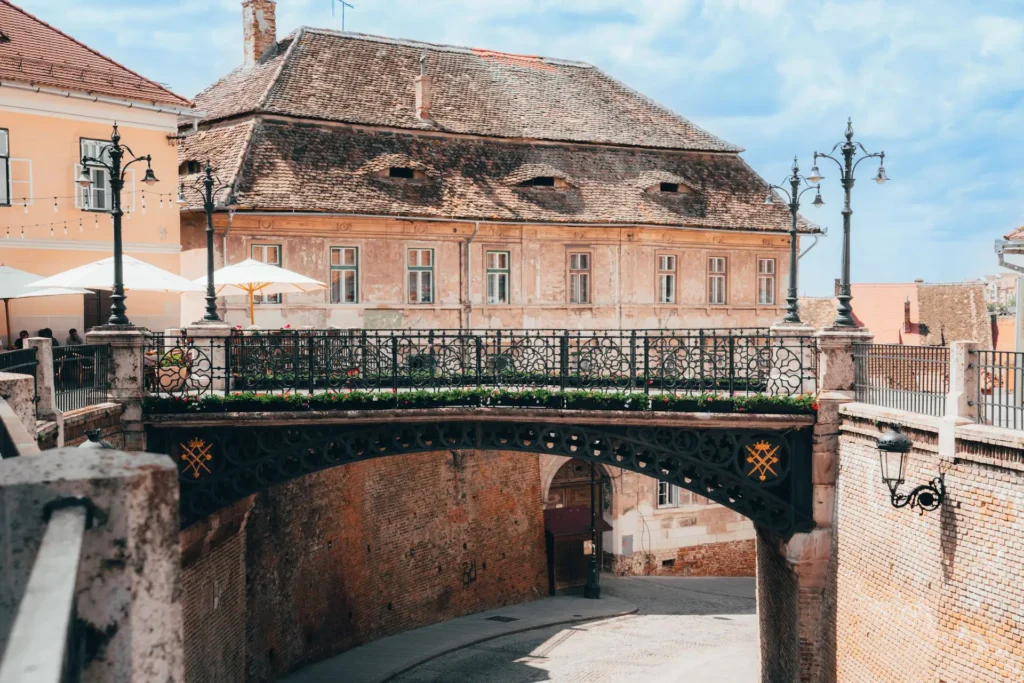
Selected as the European Capital of Culture in 2007, Sibiu exudes understated European elegance. Renowned for its distinctive “houses with eyes” (attic windows shaped like resting eyelids), Sibiu features picturesque multi-level plazas, the iconic Bridge of Lies, and the Brukenthal National Museum, housing one of Eastern Europe’s finest fine-art collections.
3. Sighișoara
A UNESCO World Heritage Site, Sighișoara is one of Europe’s last continuously inhabited medieval citadels. Pastel-painted merchant houses line narrow, climbing lanes beneath the fourteenth-century Clock Tower. History buffs will appreciate that this town is the documented birthplace of Vlad the Impaler (Vlad Țepeș).
4. Cluj-Napoca
Serving as the unofficial capital of Transylvania, Cluj-Napoca is a youthful university town filled with energy. It blends baroque architecture with innovative cocktail lounges, speciality coffee roasters, art galleries inside renovated factories, and major global music festivals.
Click on the images for more views of Transylvania:
Top Things to Do on Vacation in Transylvania
Explore Iconic Castles and Fortresses
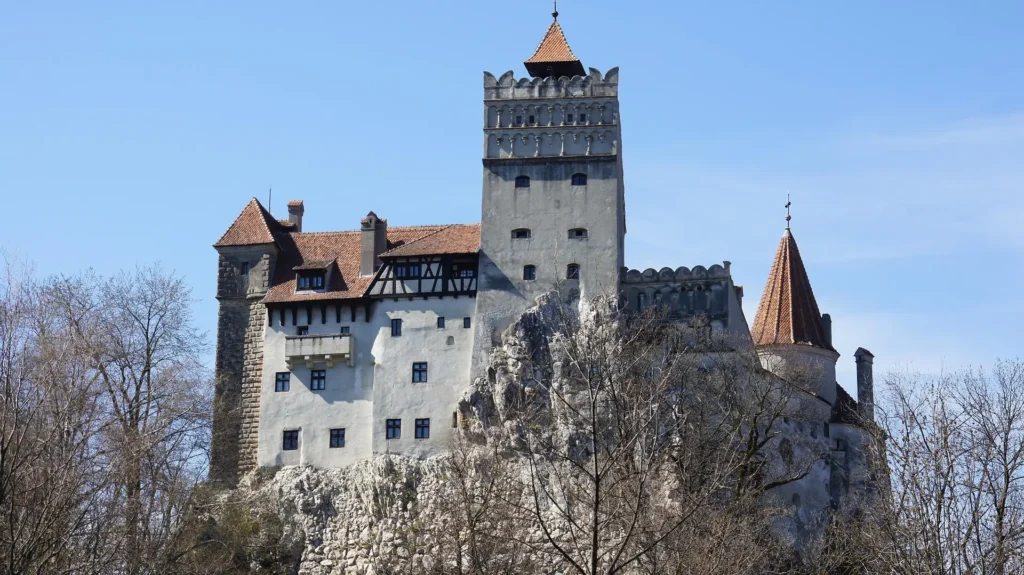
- Bran Castle: Perched dramatically on a rocky promontory near Brașov, Bran is forever tied to the Dracula legend. While historical ties to Vlad Țepeș are slender, its timbered corridors, secret staircases, and open courtyard make it a must-see.
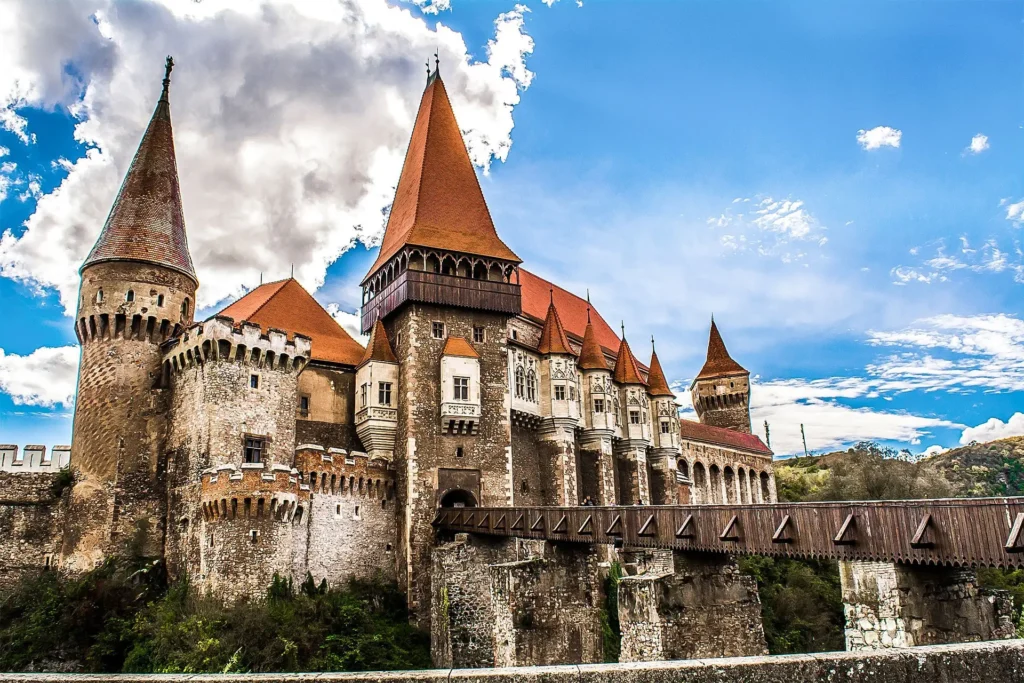
- Corvin Castle (Hunedoara): One of Europe’s largest Gothic-Renaissance fortresses, featuring massive drawbridges, soaring bastions, and inner courtyards straight out of a dark fantasy novel.
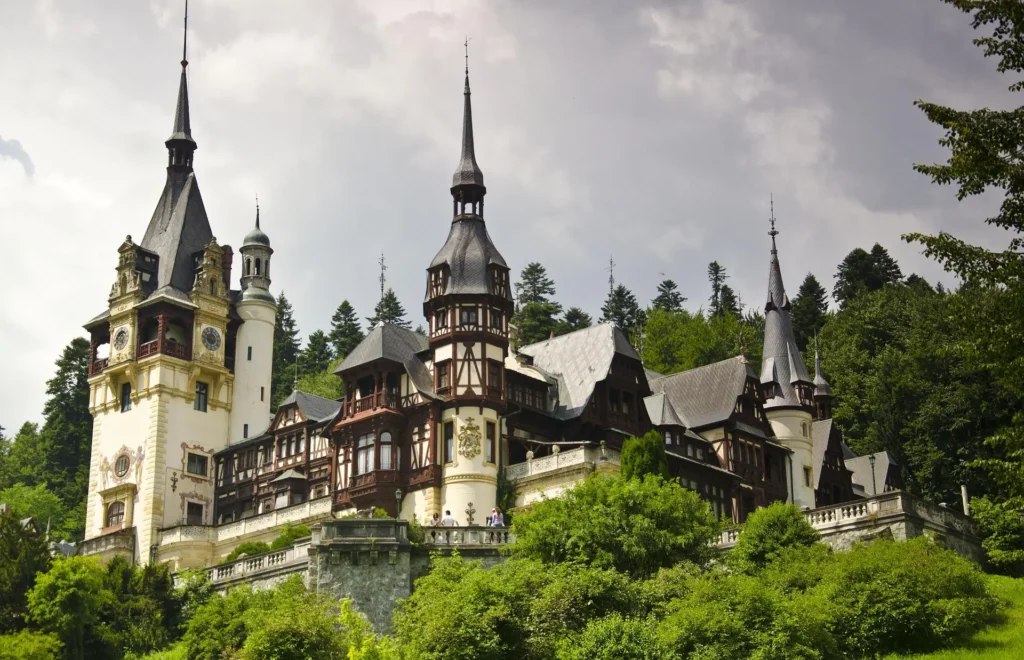
- Peleș Castle (Sinaia): Technically situated on the mountain threshold between Transylvania and Wallachia, this neo-Renaissance royal palace boasts German timber framing, stained glass, and opulent staterooms.
Drive the Transfăgărășan Highway
Dubbed by Top Gear as “the best driving road in the world,” the Transfăgărășan cuts directly through the Făgăraș Mountains. Rising to over 2,000 metres, this engineering marvel features dramatic hairpin turns, sweeping glacial vistas, and access to the crystal-clear waters of Bâlea Lake. (Note: Typically open from late June through October, weather permitting).
Descend into Salina Turda
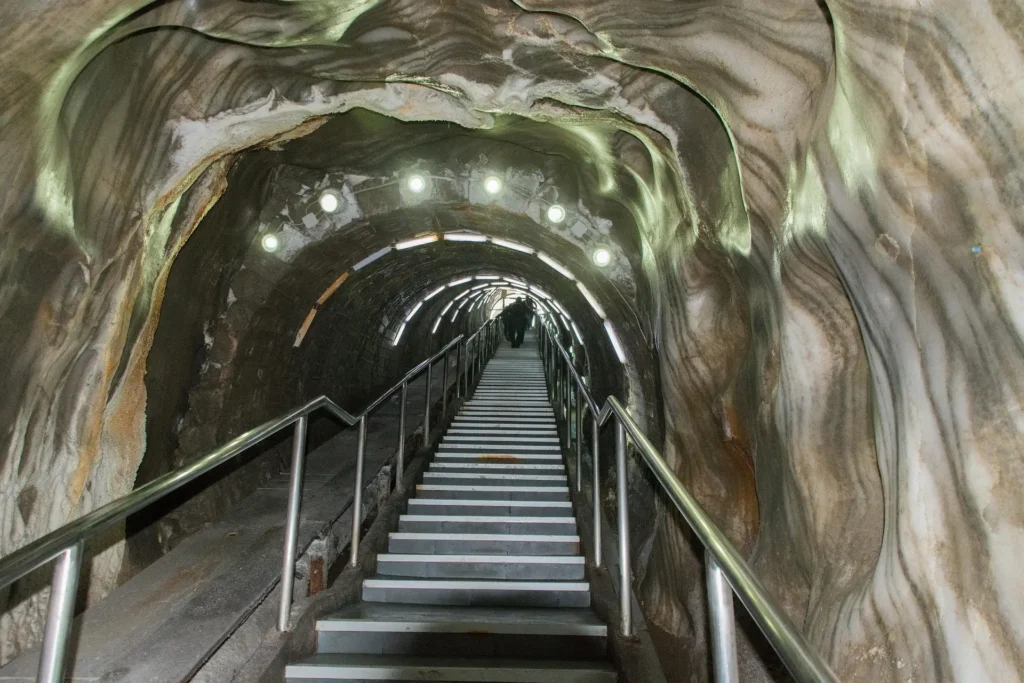
Located near Cluj, Salina Turda is a colossal subterranean salt mine transformed into a futuristic subterranean theme park. Descend hundreds of feet underground to find a Ferris wheel, bowling alleys, an amphitheatre, and a subterranean lake where you can row wooden boats under illuminated cavernous walls.
Wildlife and Carpathian Hiking
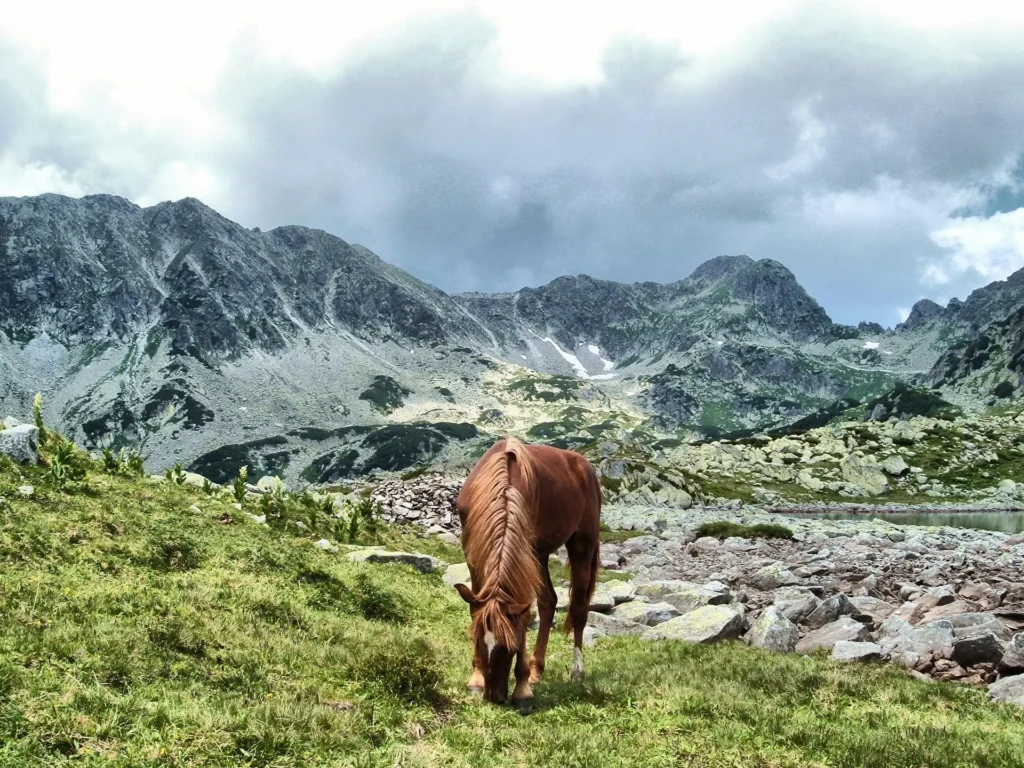
Transylvania hosts Europe’s largest population of wild brown bears, along with wolves and lynx. Responsible eco-tours departing from Brașov allow you to observe bears safely from hidden observation hides. For hikers, the Piatra Craiului and Retezat National Parks provide clearly marked, world-class trails through limestone ridges and glacial valleys.
Tours and Tickets
Culture, Entertainment, and Traditions
Transylvania’s character is shaped by its complex tapestry of Romanian, Hungarian (Székely), and Saxon German influences.
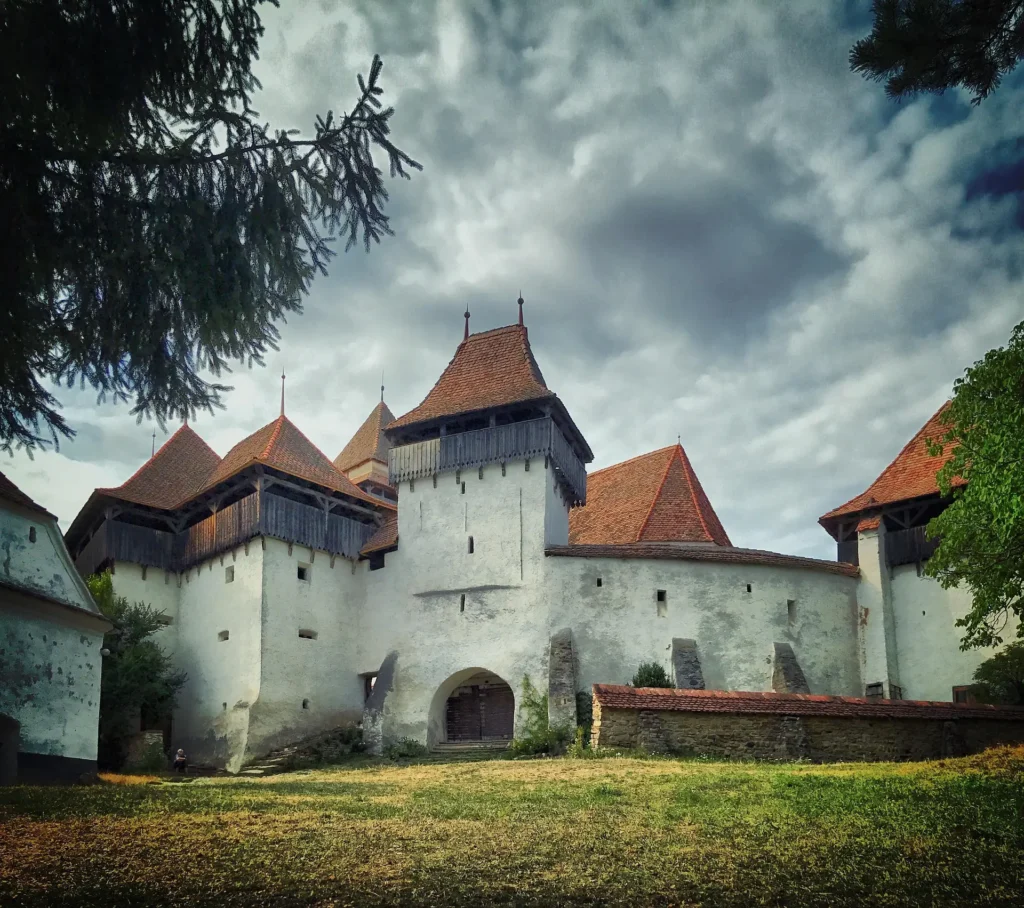
- Saxon Fortified Churches: Dotted across rural valleys are fortified settlements such as Viscri, Biertan, and Saschiz. Built by German settlers to withstand Ottoman sieges, these UNESCO-listed villages maintain centuries-old blacksmithing, weaving, and tile-making traditions.
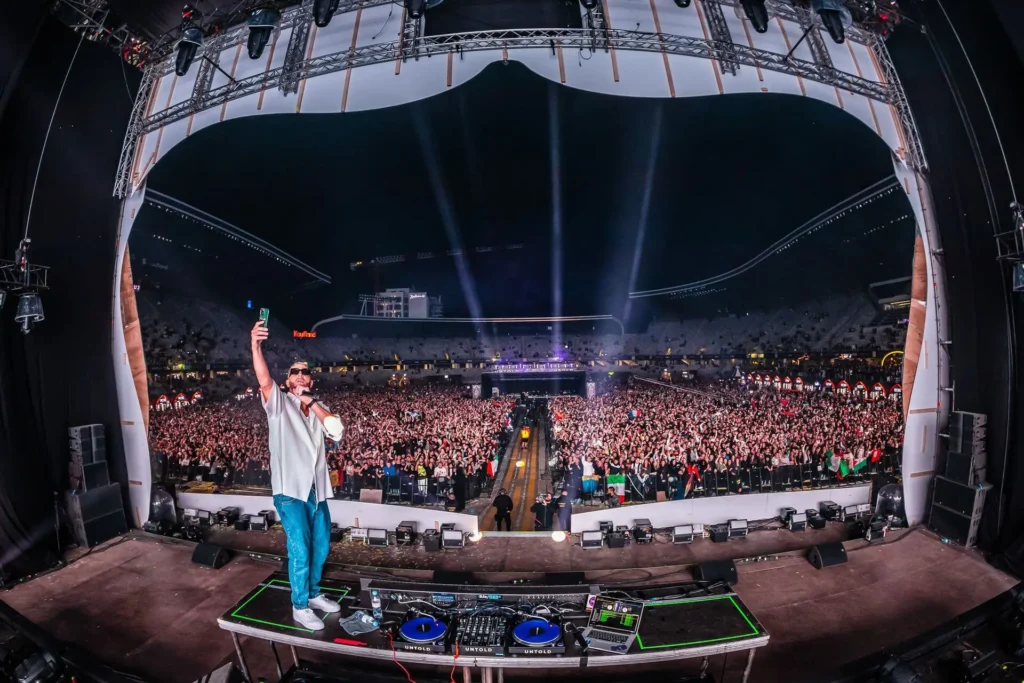
- Festivals and Nightlife: While rural life remains serene, Transylvania’s cities host world-renowned events. Cluj-Napoca hosts Untold Festival, a massive electronic music spectacle, and the Transilvania International Film Festival (TIFF). Sibiu draws theatre enthusiasts worldwide with its annual International Theatre Festival.
What to Eat and Drink: Transylvanian Cuisine
Transylvanian food is hearty, comforting, and deeply tied to the land, balancing sour, smoky, and savoury profiles:
- Sarmale: Minced meat mixed with rice, wrapped in fermented cabbage leaves, and slow-braised alongside smoked pork cuts, served with creamy sour cream (smântână) and polenta (mămăligă).
- Ciorbă: Sour soups seasoned with fermented wheat bran (borș). Must-tries include ciorbă de burtă (tripe soup with garlic and vinegar) and ciorbă rădăuțeană (shredded chicken with garlic cream).
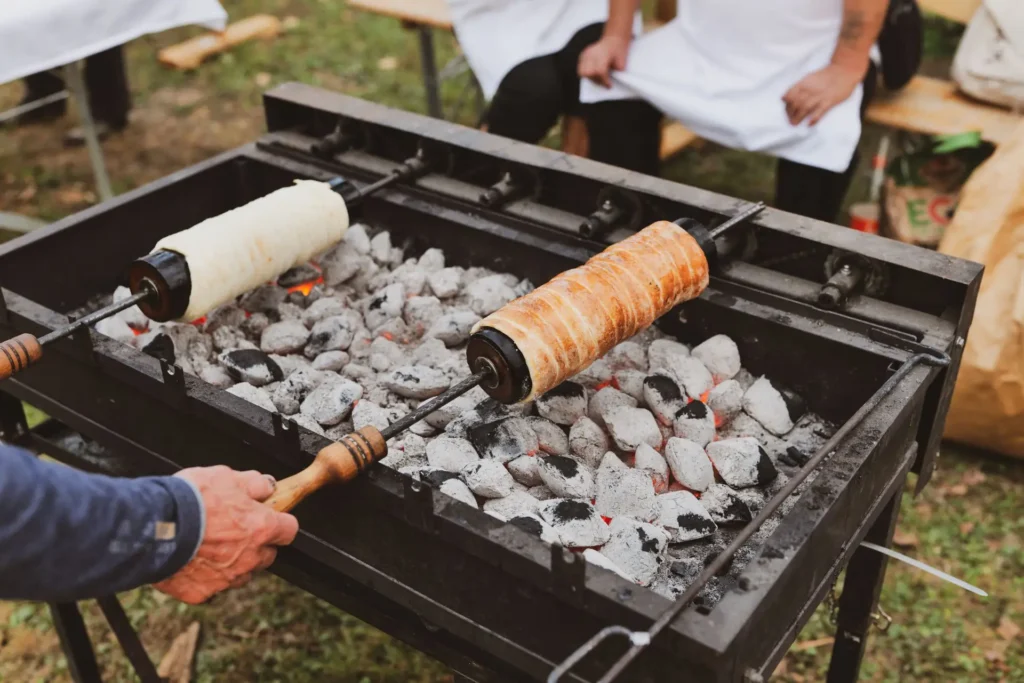
- Kürtőskalács: A Székely-Hungarian spit cake baked over charcoal, rolled in caramelized sugar, cinnamon, or crushed walnuts.
- Palincă / Țuică: A double-distilled, aromatic fruit brandy (typically plum, pear, or apple) served as a welcoming aperitif before meals.
Practical Travel Information
Language
The official language is Romanian, a Romance language closely related to Italian, Spanish, and French. Hungarian and German are spoken widely in historic ethnic communities. English is fluently spoken among youth, hospitality professionals, and in city establishments, making navigation straightforward.
Getting There
Transylvania is easily reached through multiple international hubs:
- By Air: Fly directly into Cluj-Napoca (CLJ) or Sibiu (SBZ) via low-cost and legacy carriers connecting to major European capitals. Brașov-Ghimbav Airport (GHV) also offers growing regional connectivity. Alternatively, fly into Bucharest (OTP) and take a 2.5-hour train or drive north into Brașov.
- By Train: International overnight sleeper trains link Budapest and Vienna directly to Cluj, Sibiu, and Brașov.
Getting Around
- Rental Car: Renting a car is the best way to explore rural Saxon villages, mountain passes, and off-the-beaten-path castles. Major roads are well-paved, though mountain routes require focused driving.
- Trains & Intercity Buses: Romania’s rail network (CFR Călători) connects major towns reliably and inexpensively, though regional routes travel at a relaxed pace.
- Rideshare: Apps like Uber and Bolt operate widely in Cluj-Napoca, Brașov, and Sibiu.
Types of Accommodation
Transylvania offers lodging for every travel style:
- Restored Saxon Guesthouses: Stay in traditional timber-beam cottages in villages like Viscri or Mălâncrav, many restored under royal patronage foundations.
- Historic Citadel Boutique Hotels: Enjoy converted merchant manors nestled inside Sighișoara or Sibiu’s upper town.
- Alpine Lodges & Spa Resorts: Mountain chalets throughout Poiana Brașov or the Apuseni Mountains offer wood-fired saunas and thermal tubs.
- Hostels & Modern Apartments: Abundant throughout Cluj and Brașov for digital nomads and budget backpackers.
Currency & Payments
The currency is the Romanian Leu (RON). While contactless card payments are universally accepted in cities, restaurants, and hotels, keep a modest supply of cash (RON) for village farm stands, rural church admissions, and small markets.
Final Thoughts: When to Visit Transylvania
Transylvania shines in every season: May to June brings blooming mountain wildflower meadows; September to October paints the oak and beech forests in golden autumn tones alongside grape harvests; while December to February transforms medieval town squares into snowy, fairy-tale Christmas markets.
Pack your walking shoes, an adventurous palate, and an open mind—Transylvania is ready to surprise you well beyond its legends.