
Brasov
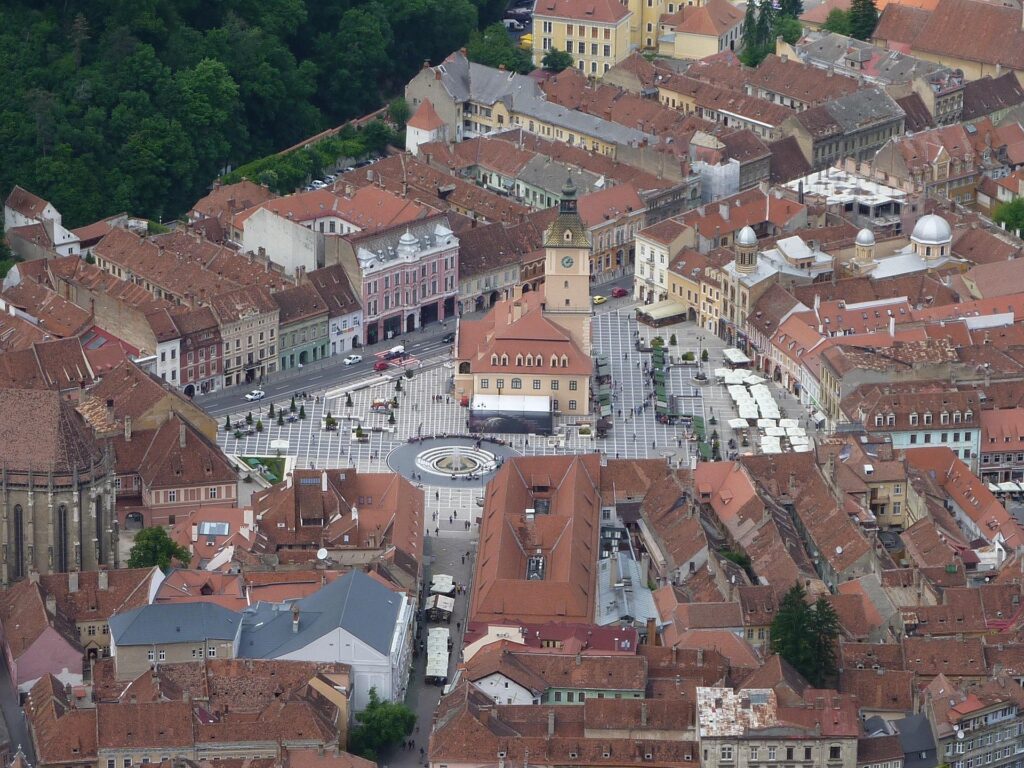
Situated in the Carpathian Mountains of Romania, Brasov stands out as a centre of medieval history, vibrant culture, and breathtaking natural beauty. Often referred to as the gateway to Transylvania, this enchanting Romanian city offers a fairy-tale experience that captivates every traveller. With its cobblestone streets and its dramatic mountain backdrops, the destination is a balance of old-world charm and modern European dynamism. Brașov is a good base for your Romanian adventure, especially if you are exploring the Carpathians, experiencing Transylvania, or checking out vampires, castles and old churches.
Exploring this Carpathian gem reveals a city steeped in Saxon heritage and authentic Romanian tradition. With a population of approximately 237,000 residents, it stands as one of Romania‘s most vital economic and cultural hubs. The city is large enough to offer premium amenities, luxury accommodations, and global cuisine, yet compact enough to explore the historic core comfortably on foot.
Best Time to Visit Brașov
The best time to visit heavily depends on your personal interests; summers are comfortably warm and perfect for alpine hiking, while winters transform the region into a snowy wonderland ideal for winter sports.
Architecture
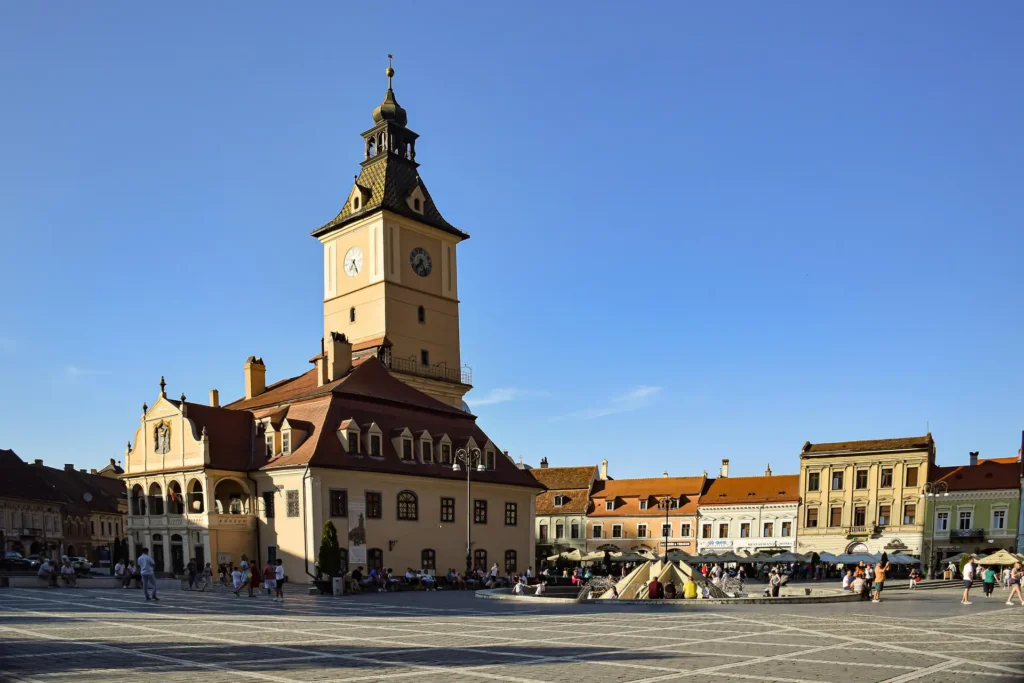
The architectural landscape of the city serves as a striking visual timeline of its historic past. Visitors will marvel at a seamless, well-preserved blend of Gothic, Baroque, and Renaissance styles. Much of this architectural identity was heavily influenced by the German Saxons, who fortified the town against invaders in the 12th century. Culturally, the city pulses with artistic energy, hosting numerous classical music concerts, dynamic theatre festivals, and traditional folklore events throughout the year. The harmonious historical coexistence of Romanian, Hungarian, and German heritage is obvious in everyday life, creating a uniquely diverse cultural tapestry.
Getting to and navigating around this mountain city has never been more convenient for international tourists. The biggest travel news for the region is the recent opening of the Brașov-Ghimbav International Airport (GHV) in 2023, making direct flights from major European cities a welcome reality. Alternatively, you can fly into Bucharest’s Henri Coandă International Airport (OTP) and take a picturesque, two-and-a-half-hour train ride directly through the scenic Carpathian Mountains. Locally, the city boasts an efficient, affordable network of modern buses and trolleybuses, though you will find the historic old town is best experienced entirely on foot.
Top 10 Visitor Attractions in Brasov
- The Black Church (Biserica Neagră): This massive Gothic structure gets its name from a devastating 17th-century fire and houses an impressive, globally recognised collection of Anatolian rugs.
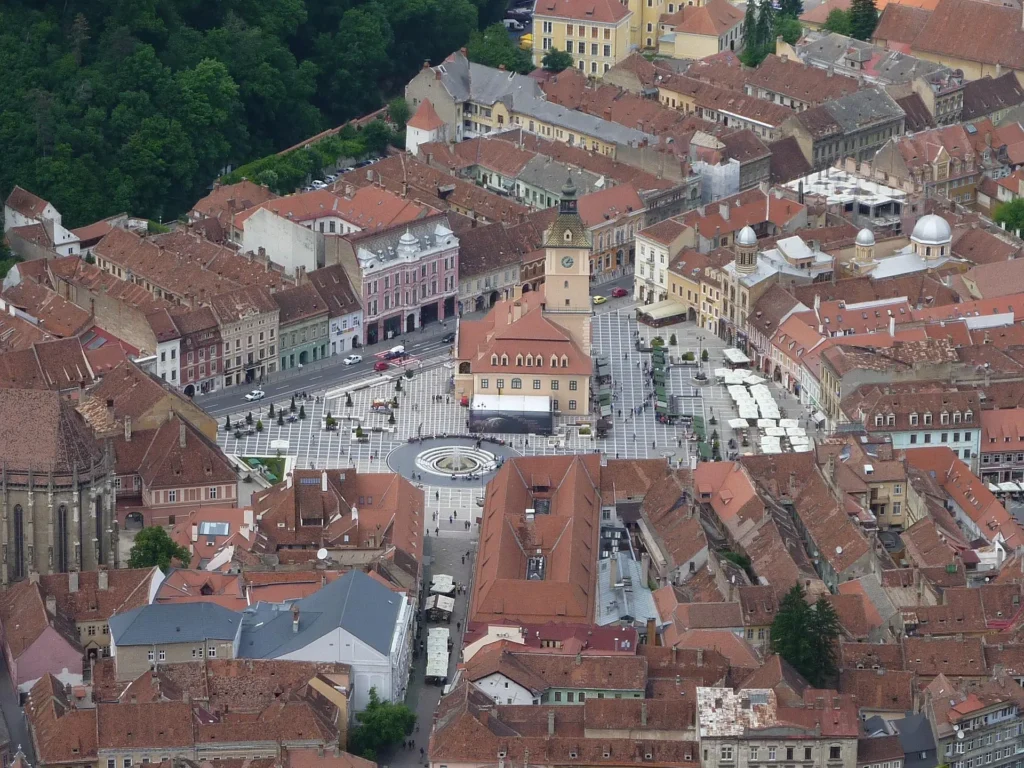
- Council Square (Piața Sfatului): The busy heart of the city features colourful merchant houses, lively open-air cafes, and the historic Council House.
- Mount Tâmpa: Towering over the city with its Hollywood-style sign, this mountain offers stunning panoramic views accessible via a scenic hike or a quick cable car ride.
- Rope Street (Strada Sforii): Recognised as one of the narrowest streets in all of Europe, this quirky 17th-century corridor was originally designed as an access route for firefighters.
- Catherine’s Gate (Poarta Ecaterinei): Built in 1559, this is the only original medieval city gate that has survived intact, featuring stunning fairy-tale turrets that represent the town’s medieval jurisdiction.
- The First Romanian School: Located in the historic Schei district, this fascinating museum showcases the very first books ever printed in the Romanian language.
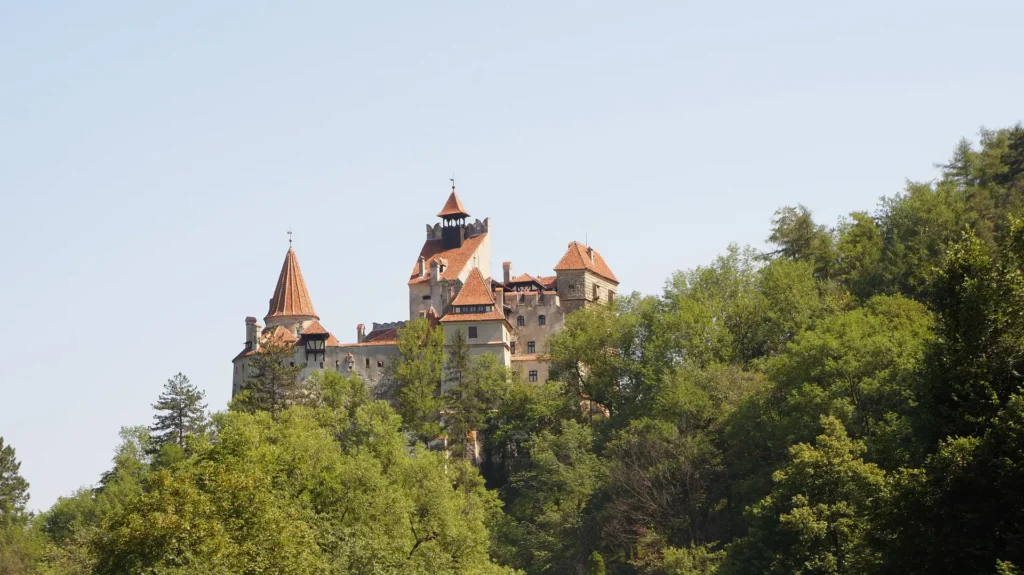
- Bran Castle: Located just a short drive outside the city, this dramatic 14th-century cliffside fortress is famously known worldwide as the inspiration for Dracula’s castle.
- Poiana Brașov: This premier resort town is situated just up the mountain, offering world-class skiing in the winter and excellent, rugged mountain biking in the summer.
- Brașov Citadel (Cetățuia de pe Strajă): Perched strategically on a hill outside the old town walls, this imposing fortress provides a deep dive into the region’s defensive military history.
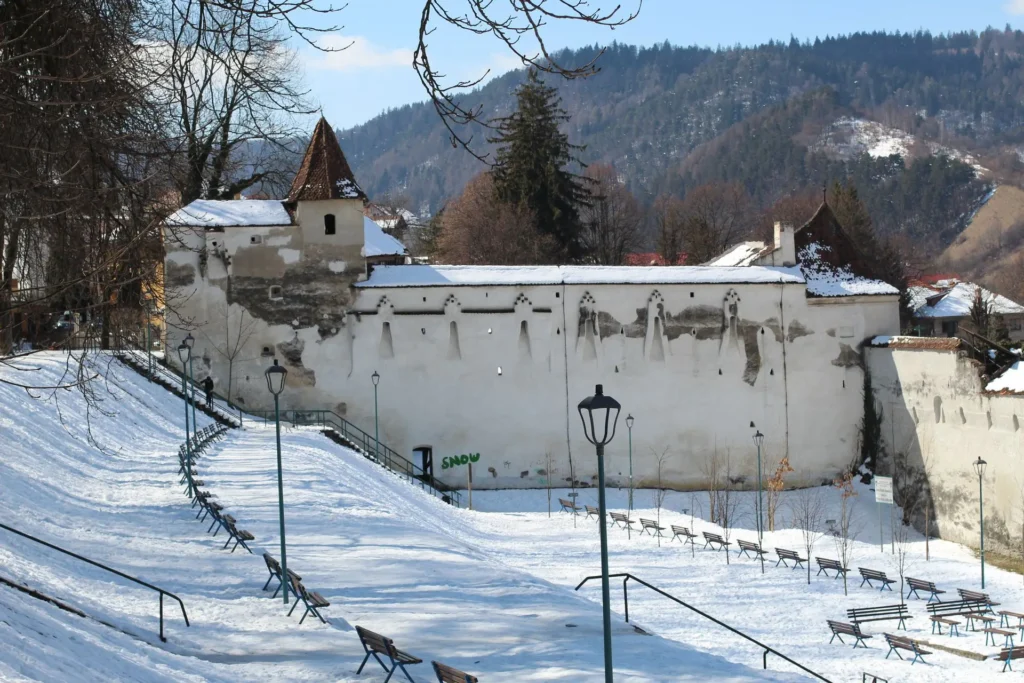
- Weaver’s Bastion (Bastionul Țesătorilor): This incredibly well-preserved medieval defensive bastion features remarkable acoustics and occasionally hosts enchanting evening classical music concerts.
Brasov Accommodation on The Map
Food of Brasov
The culinary scene in this Transylvanian hub is a delightful, hearty journey for the senses.
Traditional Romanian cuisine heavily features comforting, filling dishes like sarmale (minced pork and beef wrapped in pickled cabbage leaves) and mămăligă (a rich, buttery polenta).
For dessert, you must try papanași, a decadent fried dough pastry smothered in fresh sour cream and tart local fruit jam.
The region is also highly regarded for its local drinks, offering excellent Transylvanian white wines and a rapidly emerging craft beer culture.
Expect a high-quality, multi-course traditional dinner with drinks to cost roughly 25 to 40 USD per person.
Nightlife
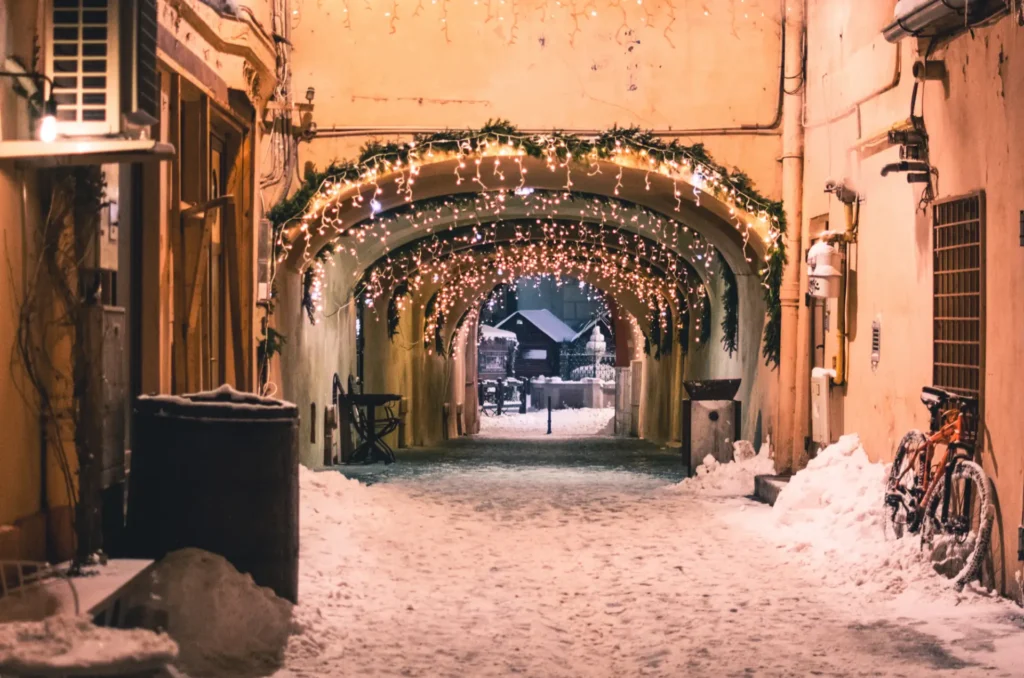
While it may not rival the frantic, all-night clubbing scene of Bucharest, the nightlife here is cosy, sophisticated, and undeniably energetic. The narrow cobblestone alleys branching off the main square are lined with intimate wine bars, lively Irish pubs, and chic underground cocktail lounges. During the warm summer months, bustling outdoor terraces stay open late into the night, allowing patrons to enjoy the cool mountain breeze. It provides the perfect environment for relaxed socialising, live acoustic music, and soaking in the historic evening ambience.
Useful Information
When planning your trip, there are a few practical pieces of information to keep in mind.
The official currency is the Romanian Leu (RON), though credit cards and contactless payments are widely accepted at almost all establishments.
Romanian is the official language, but English is spoken fluently by most young people, tour guides, and hospitality staff.
The city is exceptionally safe for tourists, including solo female travellers, with very low crime rates in both the centre and the suburbs.
Finally, be aware that the surrounding alpine forests are home to a large population of brown bears; always stick to marked hiking trails and avoid wandering into the dense woods at dawn or dusk.