

Information About Rome
Rome, Italy: History, Attractions, and Culture
Rome, Italy, affectionately known as the Eternal City, is a mesmerising blend of ancient history, vibrant street life, and world-class culinary excellence. Serving as the capital of Italy and the Lazio region, this sprawling metropolis is a living museum where three millennia of human history are layered upon one another.
Rome offers an unparalleled sensory experience to travellers interested in history, art, culture, and food.
This comprehensive guide covers everything you need to know about visiting Rome, from its rich architectural heritage to its busy nightlife.
A Very Short History of the Eternal City
According to legend, Rome was founded in 753 BCE by the twins Romulus and Remus, who were raised by a she-wolf. It grew from a small village on the Tiber River into the magnificent epicentre of the Roman Empire, ruling over vast swathes of Europe, North Africa, and the Middle East. Following the fall of the empire, the city transformed into the seat of the Papacy, flourishing once again during the Renaissance and Baroque periods under the patronage of powerful popes. Today, Rome stands as the political and cultural capital of a unified Italy, seamlessly integrating its monumental past with a dynamic modern identity.
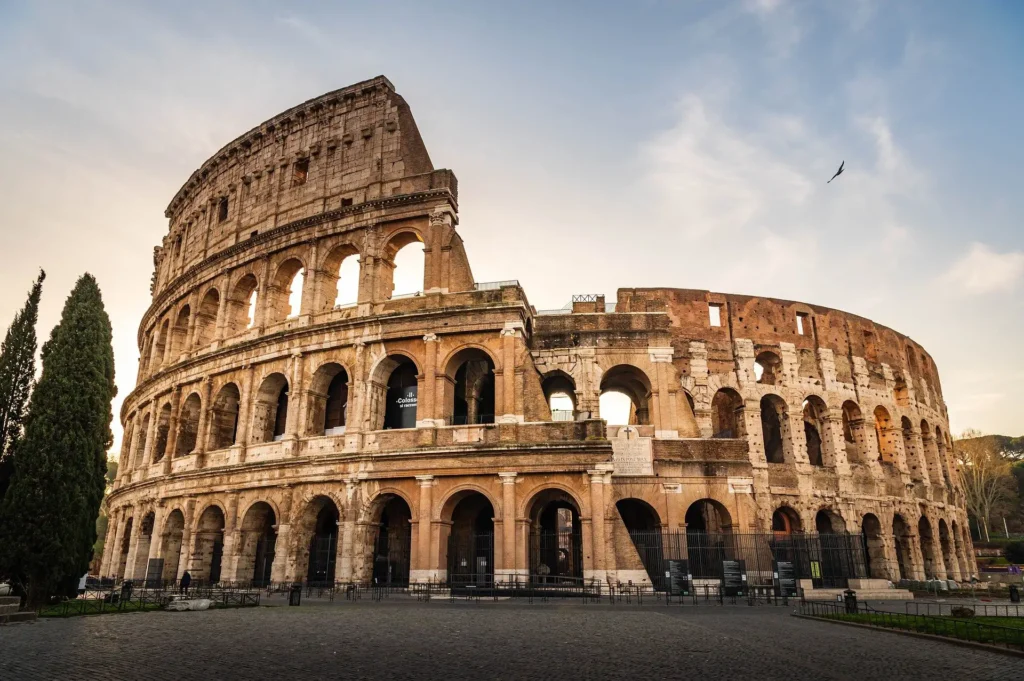
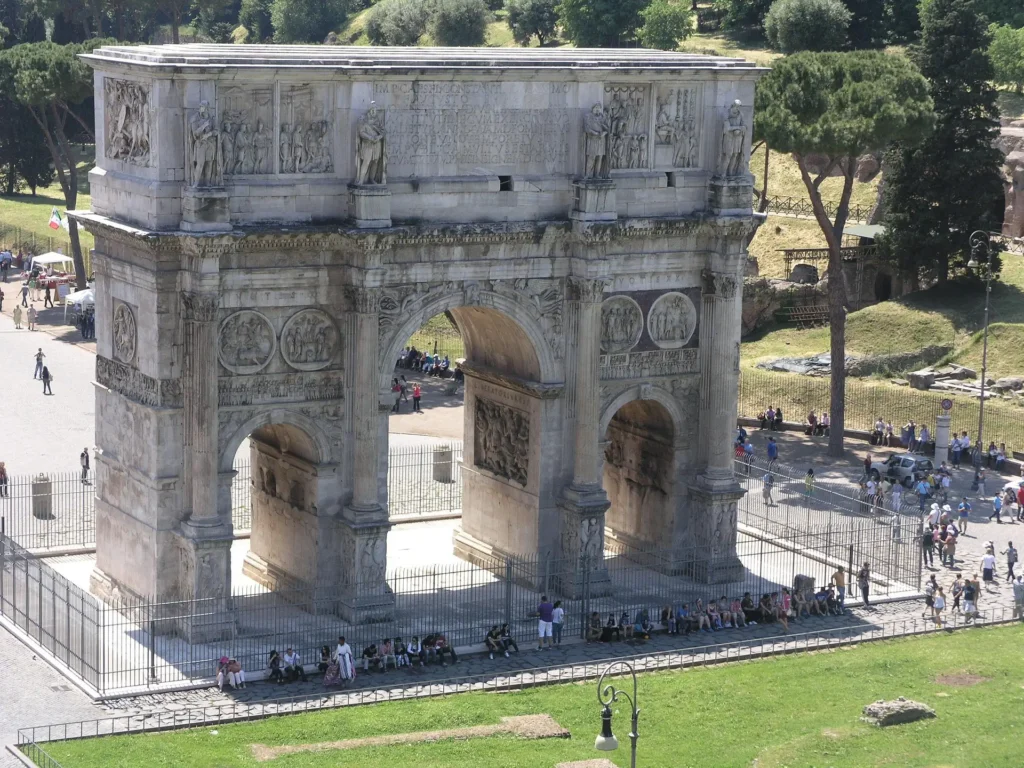
Images of Ancient Rome
Population of Rome
Rome is the most populous city in Italy, with a diverse and busy community. Within the city limits, the population is approximately 2.8 million. The broader metropolitan area, encompassing surrounding suburbs and commuter towns, is home to roughly 4.3 million people. This dense population contributes to the city’s vibrant, energetic atmosphere, ensuring that the streets are always alive with locals and tourists.
Airports and Transport Options
Getting to and around Rome is relatively straightforward thanks to its well-connected transit infrastructure. The city is primarily served by two major international airports. Leonardo da Vinci–Fiumicino Airport (FCO) is the primary hub, handling the vast majority of international and intercontinental flights. Ciampino Airport (CIA) is the secondary airport, favoured largely by budget airlines flying across Europe.
Once you arrive, navigating the city requires a mix of public transport and walking. Rome features a public transportation network consisting of buses, trams, and a Metro system comprising three lines (A, B, and C). While the Metro is efficient for reaching major hubs like the Vatican or the Colosseum, the bus network is essential for accessing areas deeper within the historic centre. However, Rome is fundamentally a walking city; exploring on foot is the best way to uncover hidden alleys, boutique shops, and spontaneous street performances. Taxis and ride-sharing apps are also readily available for longer trips across town.
You can also rent a bike quite cheaply.
Visiting Rome: Practical Tips
Rome Weather
Rome experiences a classic Mediterranean climate, characterized by mild, damp winters and hot, dry summers. Because the weather can vary significantly throughout the year, packing the right clothing and planning outdoor activities according to the season is crucial for a comfortable trip.
Visiting Rome requires a bit of strategic planning to avoid overwhelming crowds and the sweltering summer heat.
The best times to visit are during the shoulder seasons of spring (April to May) and autumn (September to October), when the weather is mild and the tourist throngs are more manageable.
and rainfall in Rome:
| Season | Months | Average High | Average Low | Average Rainfall |
|---|---|---|---|---|
| Spring | March – May | 15–24°C (59–75°F) | 6–13°C (43–55°F) | 150 mm (6.0 in) |
| Summer | June – August | 29–32°C (84–90°F) | 17–21°C (63–70°F) | 60 mm (2.4 in) |
| Autumn | September – November | 17–27°C (63–81°F) | 8–16°C (46–61°F) | 280 mm (11.0 in) |
| Winter | December – February | 12–14°C (54–57°F) | 3–5°C (37–41°F) | 200 mm (8.0 in) |
Purchasing a tourist pass, such as the Roma Pass, can provide discounted entry to major sites and unlimited access to public transportation. Remember to pack comfortable walking shoes, as the iconic cobblestone streets, known as sampietrini, can be tough on your feet.
Top 10 Visitor Attractions
No trip to the Italian capital is complete without visiting its most iconic landmarks. Here are the top 10 attractions you simply must see:
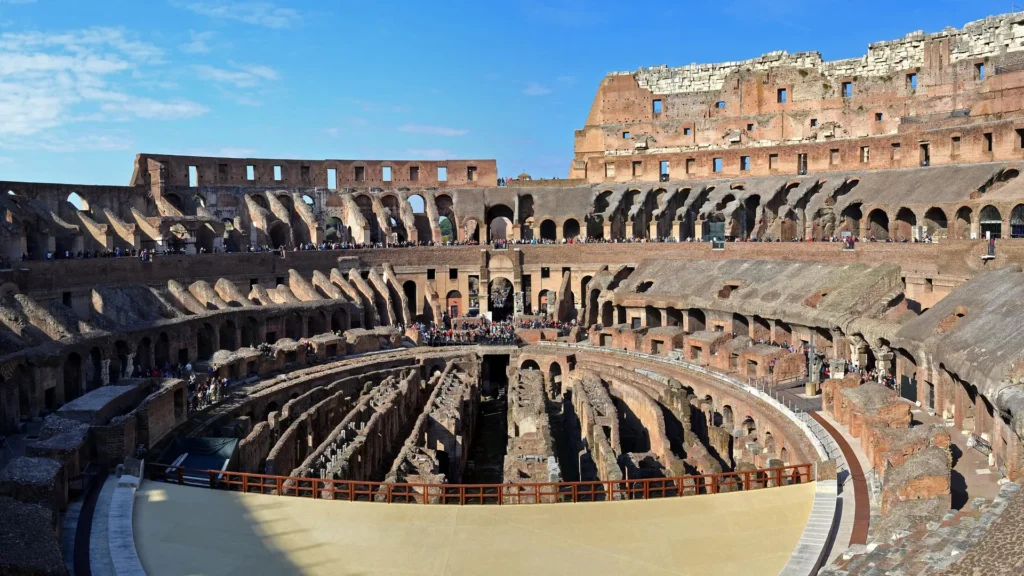
- The Colosseum: This magnificent ancient amphitheater once hosted thrilling gladiator battles and remains a symbol of Imperial Rome’s architectural prowess.
- Vatican Museums & Sistine Chapel: Home to an immense collection of art amassed by popes over centuries, climaxing with Michelangelo’s breathtaking frescoed ceiling.
- St. Peter’s Basilica: The largest church in the world and a masterpiece of Renaissance architecture, dominating the Vatican City skyline.
- The Pantheon: A marvel of ancient engineering featuring the world’s largest unreinforced concrete dome and a perfectly preserved classical facade.
- Trevi Fountain: A stunning Baroque masterpiece where tossing a coin over your shoulder ensures your eventual return to Rome.
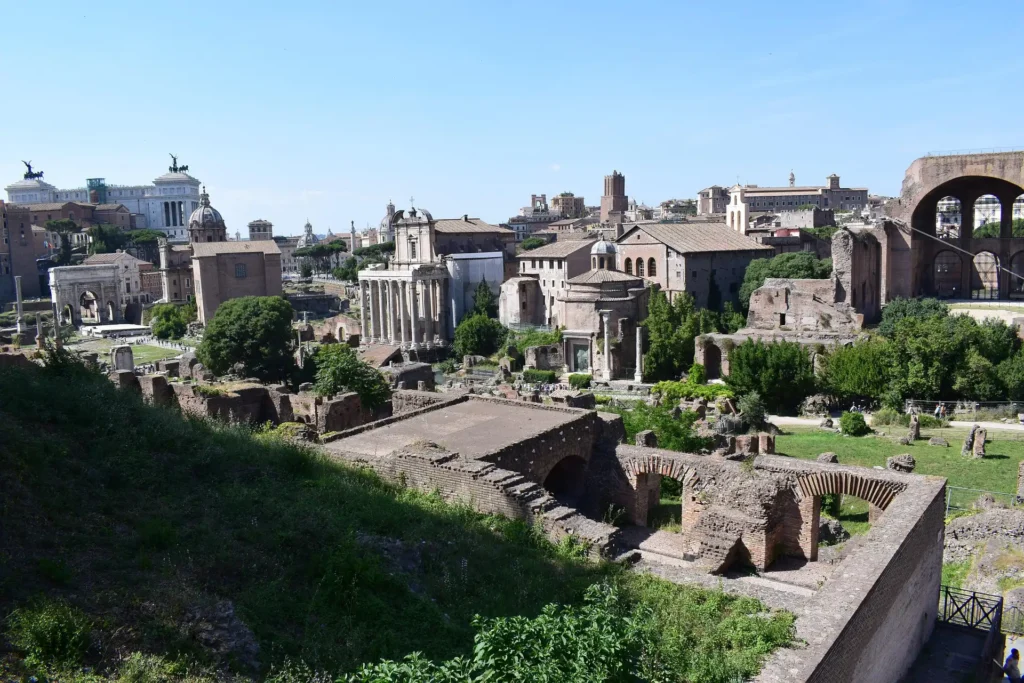
- Roman Forum: The sprawling, excavated heart of the ancient city, filled with the ruins of government buildings, temples, and bustling marketplaces.
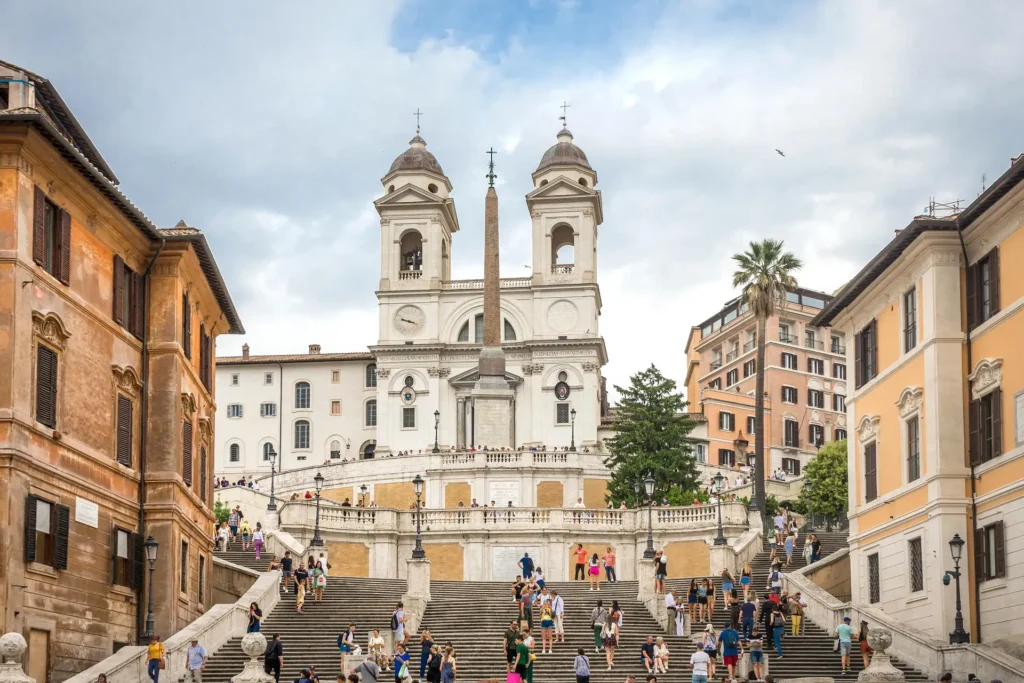
- Spanish Steps: A monumental, sweeping staircase of 135 steps that connects the Piazza di Spagna at the base with the Trinità dei Monti church at the top.
- Piazza Navona: A beautiful, elongated public square built on the site of the Stadium of Domitian, famous for its elegant fountains and vibrant street artists.
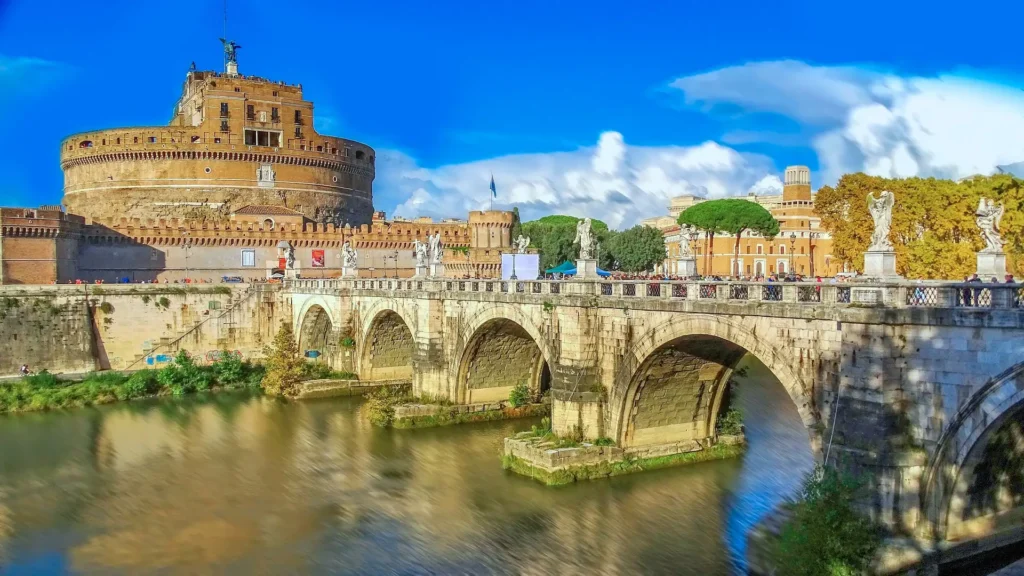
- Castel Sant’Angelo: Originally commissioned by Emperor Hadrian as a mausoleum, this towering cylindrical fortress later served as a papal residence and castle.
- Galleria Borghese: An elegant villa housing a world-class collection of Renaissance and Baroque art, including stunning sculptures by Bernini.
Architecture and Culture
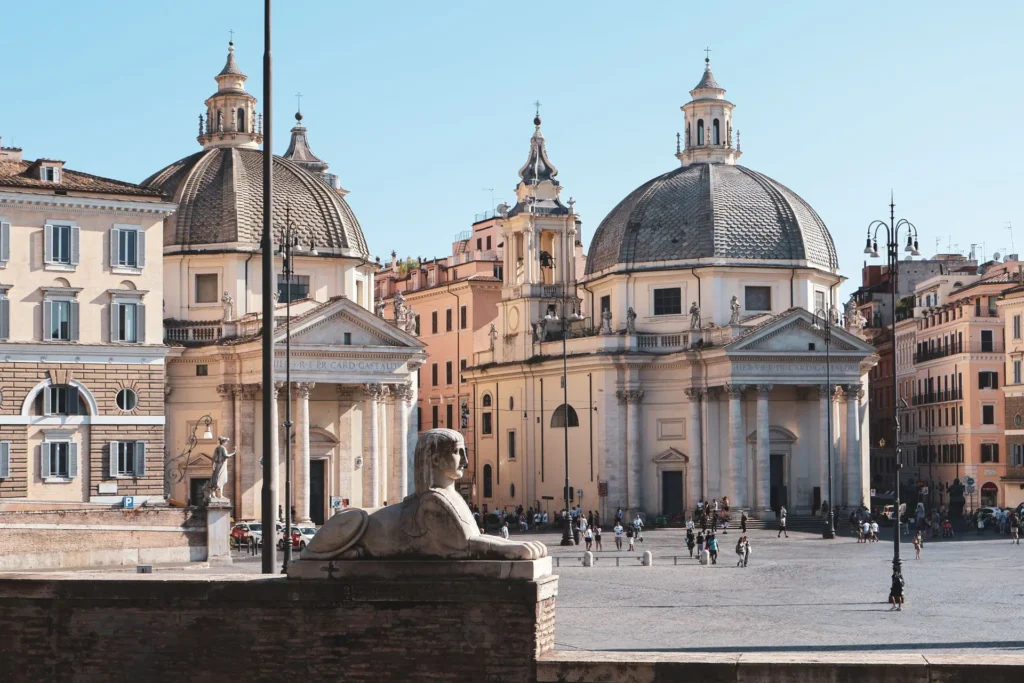
Rome is a paradise for architecture enthusiasts, presenting a visual timeline of Western civilization. You can walk past ancient Roman columns, turn a corner, and find yourself staring at an ornate Baroque church facade or a heavily fortified Renaissance palace. This architectural density creates a unique urban landscape where history is woven directly into the fabric of daily life.
Culturally, Rome is defined by the concept of la dolce vita, or the sweet life. The pace of life encourages lingering over a coffee, engaging in animated conversations, and appreciating the beauty in everyday moments. Religion also plays a profound cultural role, with the presence of Vatican City heavily influencing local traditions, holidays, and art.
Tours & Tickets
Wining, Dining, and Food
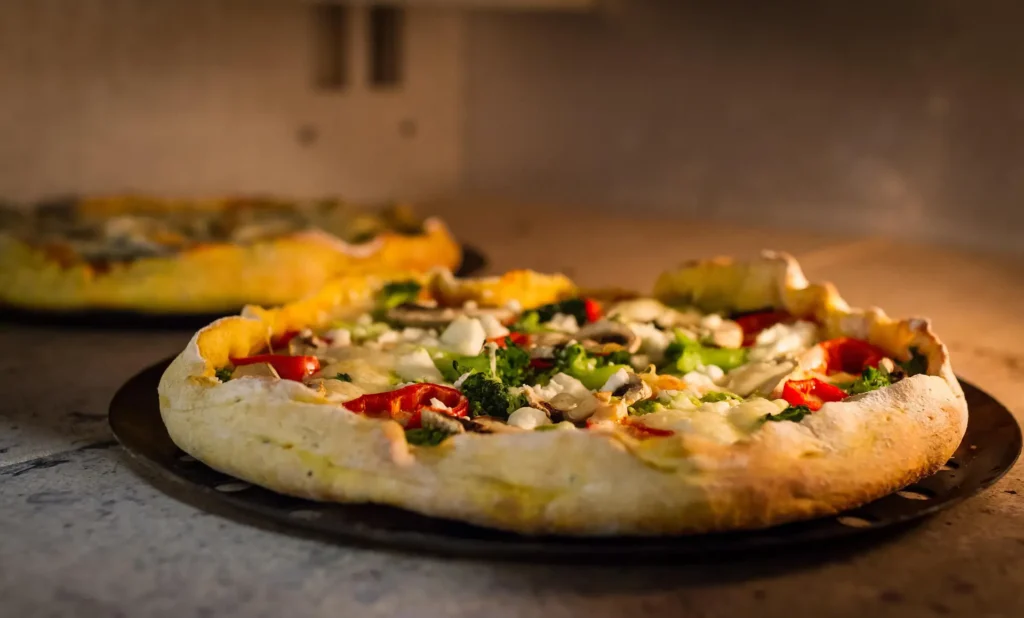
Roman cuisine is famously hearty, relying on high-quality, seasonal ingredients rather than overly complex preparations. The city is the birthplace of four iconic pasta dishes: Cacio e Pepe, Carbonara, Amatriciana, and Gricia. Street food is equally beloved; you must try supplì (fried rice balls stuffed with mozzarella and tomato sauce) or a slice of crispy pizza al taglio (pizza by the slice).
Dining in Rome is a leisurely affair, often starting with a traditional aperitivo, a pre-meal drink accompanied by small snacks, around 7:00 PM. For wine lovers, the surrounding Lazio region produces excellent white wines, particularly those from the nearby Castelli Romani towns like Frascati. Meals are meant to be savoured, so do not expect the waitstaff to rush you out with the bill; you must politely request it when you are ready to leave.
Nightlife
When the sun sets, Rome’s ancient monuments are beautifully illuminated, and the city’s nightlife awakens. The neighbourhood of Trastevere, with its narrow, ivy-draped streets, is the undisputed heart of evening socialising, packed with cosy wine bars, lively pubs, and outdoor cafes. For a more alternative, club-centric scene, the Testaccio and Ostiense districts offer late-night dancing, live music venues, and trendy cocktail lounges. During the summer months, the banks of the Tiber River transform into a bustling night market filled with pop-up bars, restaurants, and games.
Other Useful Information
- Free Drinking Water: Rome is dotted with over 2,500 public drinking fountains affectionately known as nasoni (big noses). The water is cold, clean, and perfectly safe to drink, so bring a reusable bottle to stay hydrated.
- Currency: Italy uses the Euro (EUR). While credit cards are widely accepted in restaurants and hotels, carrying some smaller EUR notes is highly recommended for grabbing a quick espresso, tipping, or shopping at local outdoor markets.
- Safety: Rome is generally a very safe city for tourists. However, petty crime like pickpocketing is common in heavily crowded areas and on public transport (particularly bus line 64 and the Metro). Always keep a close eye on your belongings.
Here is some very useful advice on how to avoid having your property stolen.