
Constanța
Guide to Constanța, Romania: The Black Sea’s Hidden Gem
Located on the sun-drenched shores of the Black Sea, Constanța is Romania’s oldest continuously inhabited city and its premier coastal destination. Founded by Greek colonists around 600 BC under the name Tomis, this vibrant metropolis offers a captivating blend of ancient history, stunning seaside resorts, and rich cultural heritage. Constanța delivers an unforgettable travel experience to a wide range of visitors including sun-worshippers, history buffs, or adventure seekers
Visiting Constanța
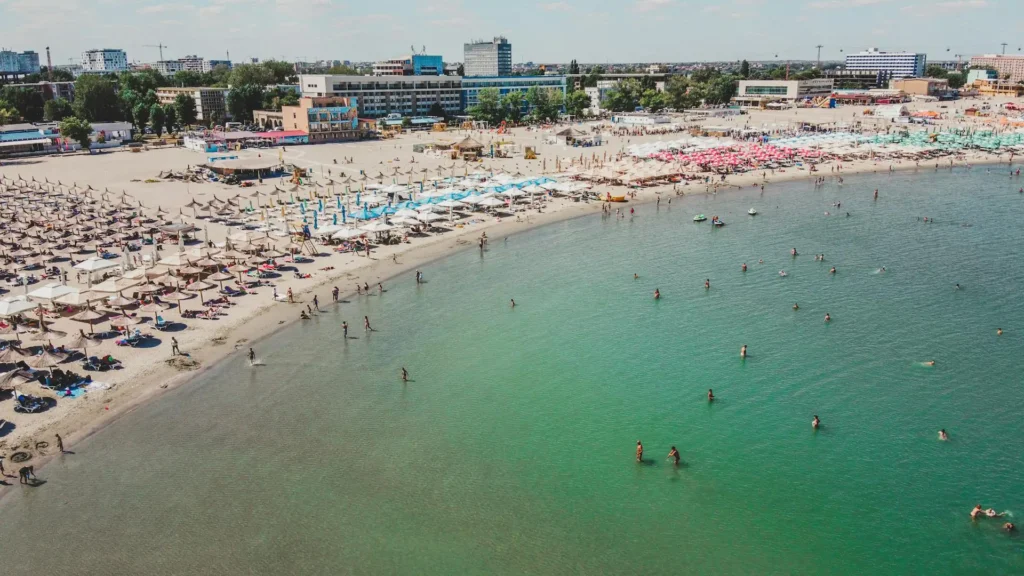
Visiting Constanța provides a unique contrast between a busy commercial port and a relaxing holiday retreat. Summer is undeniably the best time to visit, with temperatures perfectly suited for lounging on the nearby beaches and enjoying outdoor festivals. The city has a population of approximately 280,000 residents, making it the fifth most populous city in Romania. This demographic size ensures that the city maintains excellent modern amenities and a lively atmosphere without feeling overwhelmingly crowded like other major European capitals.
Transport Options and Airports
Getting to and navigating around Constanța is straightforward thanks to Romania‘s well-connected infrastructure. Mihail Kogălniceanu International Airport (CND) serves as the primary aviation hub, located about 25 kilometers northwest of the city center, offering direct flights to several European cities and domestic connections to Bucharest.
For those arriving from the Romanian capital, the Sun Train (Trenul Soarelui) provides a highly scenic and efficient two-hour journey from Bucharest directly to Constanța’s main railway station.
Once inside the city, the local public transport network, operated by CT Bus, features modern buses that efficiently connect the historic center, the train station, and the northern resort areas. Taxis and popular ride-sharing applications are also readily available, offering affordable fares usually costing just a few USD equivalents for cross-city trips. For those planning to explore the broader Dobruja region, renting a car is a highly recommended option.
Top 10 Visitor Attractions
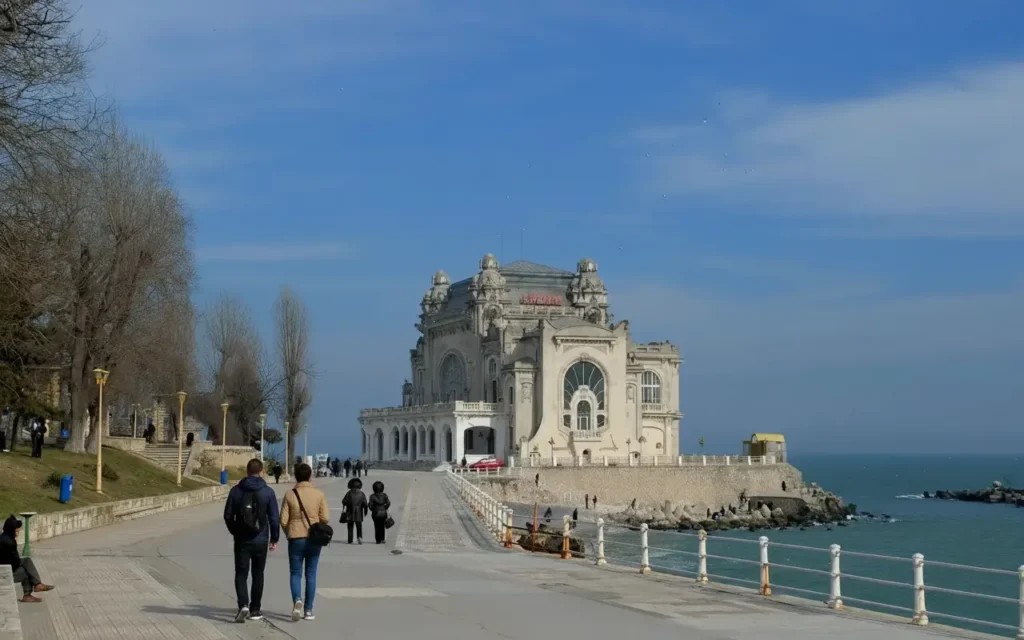
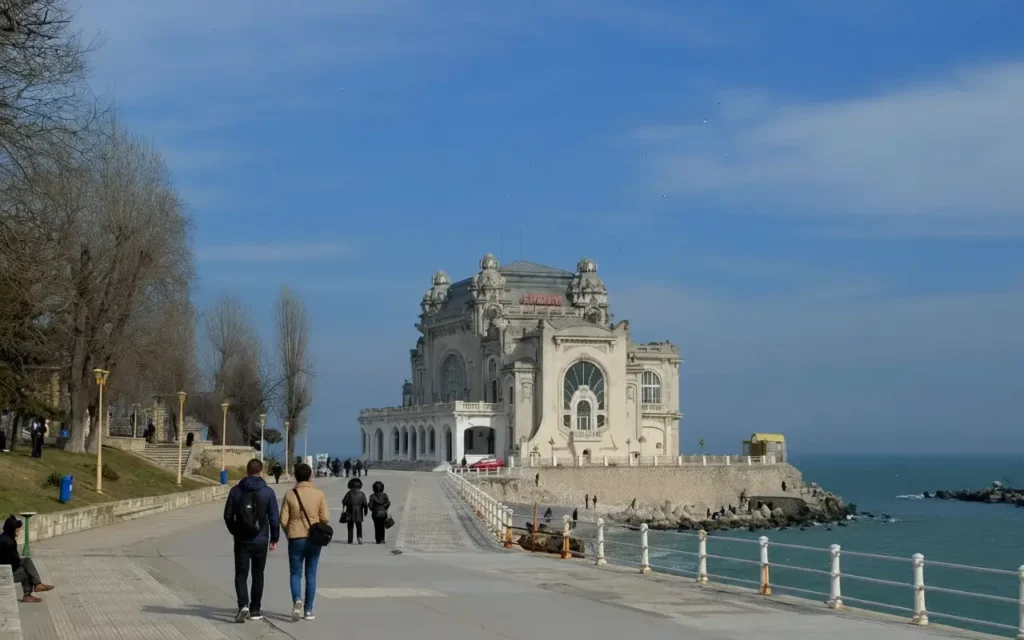
- Constanța Casino (Cazino Constanța): An iconic Art Nouveau masterpiece perched on the waterfront, serving as the ultimate symbol of the city’s glamorous past.
- Ovid’s Square (Piața Ovidiu): The historic heart of the city featuring a bronze statue of the exiled Roman poet Ovid.
- The Roman Mosaics (Edificiul Roman cu Mozaic): A remarkably preserved commercial complex from the 4th century showcasing over 800 square meters of intricate, ancient floor mosaics.
- Mamaia Resort: Known as the “Pearl of the Romanian Riviera,” this spectacular strip of beach offers premium beach clubs, white sands, and endless water sports.
- The Great Mahmudiye Mosque (Moscheea Carol I): A beautiful blend of Byzantine and Romanian architectural styles offering breathtaking panoramic views of the city from its towering minaret.
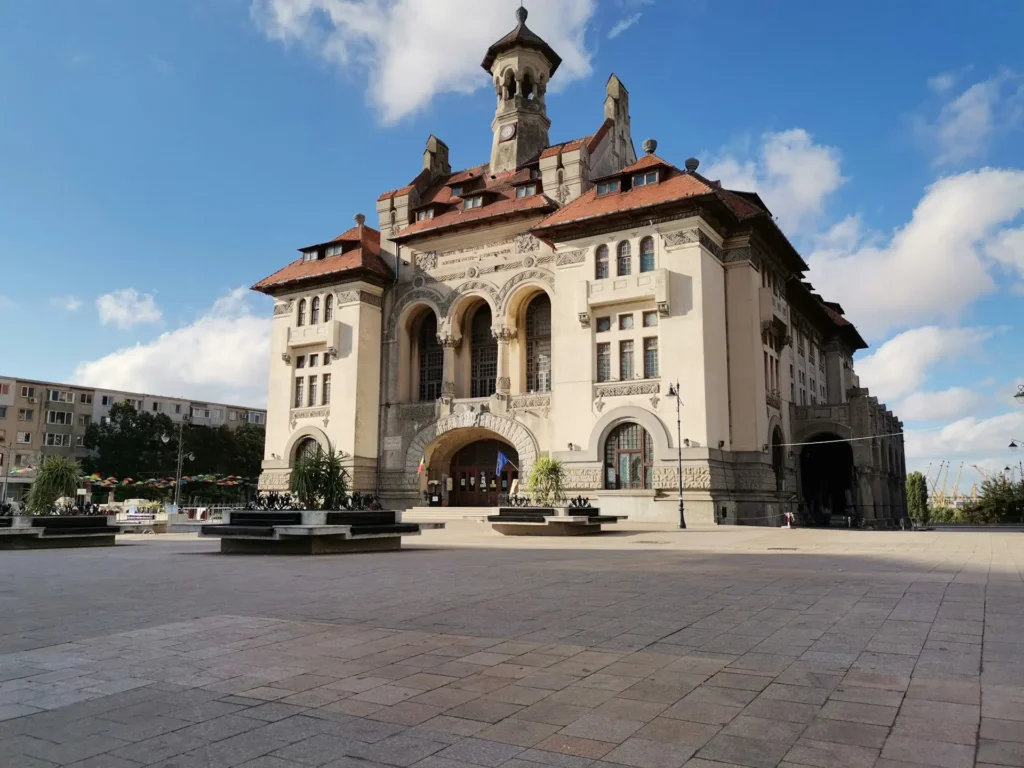
- National History and Archaeology Museum: A treasure trove of regional artifacts, housing the famous Glykon Snake statue and extensive Roman and Greek antiquities.
- Genovese Lighthouse (Farul Genovez): A striking 19th-century maritime landmark built to honor the Genoese merchants who once traded in the bustling port.
- St. Peter and Paul Orthodox Cathedral: A stunning Greco-Roman style church beautifully decorated with vibrant interior frescoes and intricate neo-Byzantine details.
- Constanța Dolphinarium: Part of the Natural Sciences Museum Complex, it offers highly entertaining and educational marine life shows perfect for traveling families.
- The Constanța Aquarium: Situated right across from the Casino, this facility showcases a fascinating array of Black Sea marine life and exotic aquatic species.
Culture and Architecture
The cultural fabric of Constanța is deeply woven with Greek, Roman, Ottoman, and Romanian threads, creating a highly diverse community. This multicultural history is instantly visible in the city’s religious architecture, where orthodox churches stand peacefully just blocks away from historic mosques and synagogues. Visitors can easily spend hours wandering through the Old Town, where the architecture serves as a visual timeline of the city’s changing empires.
Architecturally, the city is an open-air museum. You will find remnants of ancient Roman walls completely integrated into modern walkways alongside magnificent 19th-century Art Nouveau and Neoclassical buildings. The waterfront promenade is the best place to witness this architectural grandeur, offering a romantic backdrop against the crashing waves of the Black Sea.
Wining, Dining, and Food
The Dobrogea region boasts a culinary identity distinct from the rest of Romania, heavily influenced by its coastal geography and Turkish-Tatar minorities. Seafood is the undisputed star here; do not miss the opportunity to try saramură de pește (grilled fish served in a garlicky, tomato-based brine) or freshly fried Black Sea turbot. Traditional Romanian staples like sarmale (cabbage rolls) and mămăligă (polenta) are also widely available and incredibly delicious.
For wine enthusiasts, the nearby Murfatlar wine region is a mandatory detour. It is one of Romania’s most prestigious viticulture areas, famous for producing exceptional sweet and semi-sweet dessert wines, as well as robust reds like Fetească Neagră. A dining experience in Constanța is never complete without pairing your seafood catch with a crisp, chilled glass of local Murfatlar Sauvignon Blanc.
Constanța Accommodation on The Map
Nightlife
When the sun goes down, the energy shifts dramatically toward Mamaia, located just north of the city limits. Mamaia is widely celebrated as the clubbing capital of Eastern Europe, rivaling global party destinations with its extravagant beachfront super-clubs. Here, you can expect internationally renowned DJs, lavish pool parties, and dancing that continues well past sunrise. For a more relaxed evening, the Old Town of Constanța offers a charming selection of cozy pubs, sophisticated wine bars, and live acoustic music venues.
Useful Information
- Currency: Although Romania is a member of the EU it has not yet adopted the Euro. Romania uses the Romanian Leu (RON). While credit cards are widely accepted, carrying a small amount of cash is advisable for small vendors or local markets.
- Language: Romanian is the official language, but English is widely spoken by the younger population and staff in the tourism and hospitality sectors.
- Safety: Constanța is generally a very safe city for tourists, though standard precautions against pickpocketing should be taken in crowded areas like the train station or busy beaches.