The Madness of Brexit – Why Leaving The EU was a Bad Idea
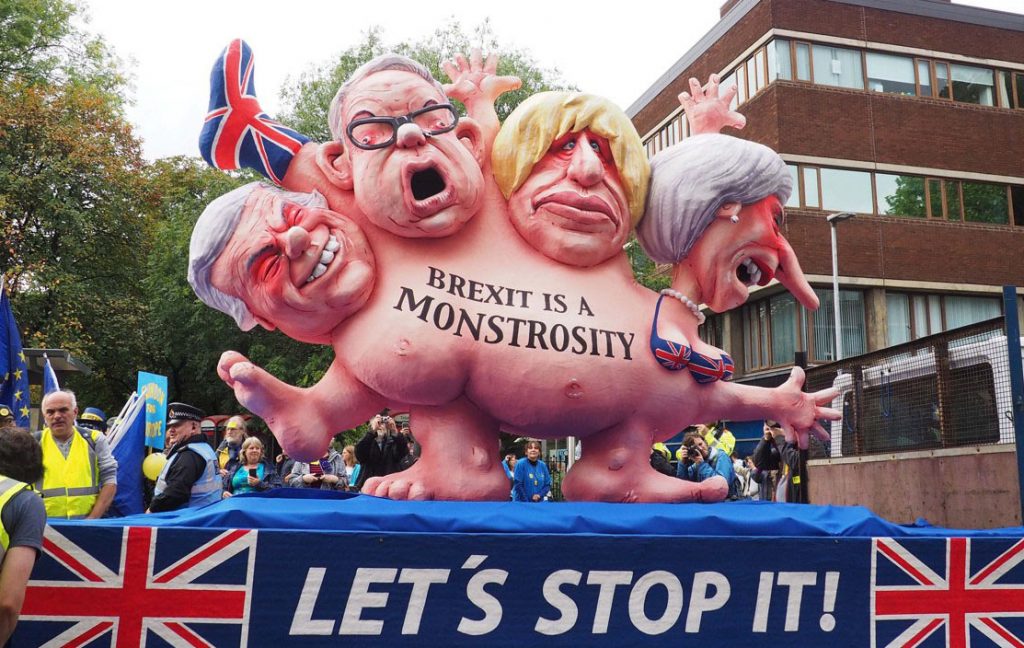
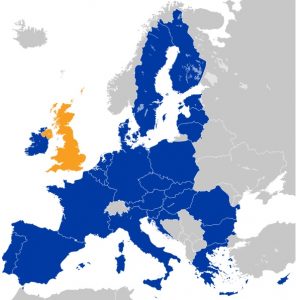
It is almost three years since the people of Britain voted by a narrow margin in favour of leaving the EU. The Prime Minister if the time, David Cameron (who was in favour of remaining in Europe), succumbed to pressure from his Eurosceptic colleagues in the Conservative Party to settle the question once and for all by means of a referendum.
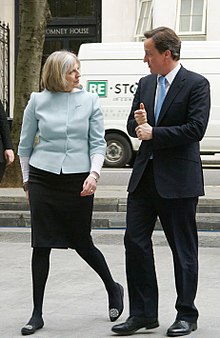
David Cameron & Teresa May (ukhomeoffice)
Campaign Promises
The Leave faction conducted a vigorous campaign persuading the British people that it would be a great thing for Britain to take control of its own trade, make their own decisions about immigration and gain “independence from Europe”. They made promises about reinvigorating the poorer areas of Britain, creating thousands of new jobs, redirecting billions of pounds which were being paid to Europe to the Health Services and lots more. They created a vision of an independent, prosperous and happy Britain as they had in the “old days”. Leaving the EU was a great idea
The Remain group, on the other hand, did a very lacklustre campaign, apparently thinking that the British people would overwhelmingly reject the idea of leaving the EU.
Britain woke up on 24th June 2016 to find that the referendum result was that 51.9% of voters voted for leaving the EU.
Teresa May takes Over
David Cameron stepped down and Teresa May (who was in favour of remaining) took over as Prime Minister and embarked on a mission to implement “the will of the people”. Many other leading Brexiteers, including Nigel Farage, leader of UKIP, stepped back also.
And so, three years later, after torturous negotiations with the EU, the British House of Commons has failed to implement the deal which was negotiated, and the red line date of 29th March 2019, when Britain was set to leave the EU, has passed. Britain is in chaos, and there is a real fear that Britain will “crash out” with no deal. Some hard-line Brexiteers are in favour of a no-deal Brexit, but so far, the majority of MPs are against it. If Brexit does happen, it is now very unlikely that it will be anything like the Brexit which was first promised.
A New Referendum?
There is a growing sentiment in favour of a second referendum. Now, many realise that leaving Europe may not have been such a good idea after all. The promised prosperity is a fading dream as businesses realise the disruption to trade, the extra bureaucracy, and the uncertainty in the markets are likely to cause serious economic problems.
Already, some manufacturing industries have indicated that they are moving out and financial services are moving all or part of their operations to Europe with a loss of jobs in Britain. The uncertainty and the ongoing ‘farce’ in the House of Commons is causing Britain to lose its reputation as a mainstay of business and democracy.
The fear of serious political problems in Northern Ireland caused by a hard border is also a great concern.
If the people knew then what they know now, would they vote to leave?
Economic Suicide
The headline on Thomas Friedman’s article in the New York Times about Brexit on 2nd April 2019 reads: “The United Kingdom Has Gone Mad”
In it he states that:
“What we’re seeing is a country that’s determined to commit economic suicide but can’t even agree on how to kill itself. It is an epic failure of political leadership.”
Brexit Means a Weaker Britain and a Weaker Europe
The Brexiteers want Britain to retreat into a narrow nationalism, which seems to deny the globalisation and interconnectedness of the modern world. Leaving The EU will weaken both themselves and Europe and leave them more vulnerable to the economic, social and military predations of the big world powers. A strong British voice in Europe could maintain Britain’s influence in Europe and the world and help itself and Europe to remain prosperous and secure.
Brexit Latest (2026)
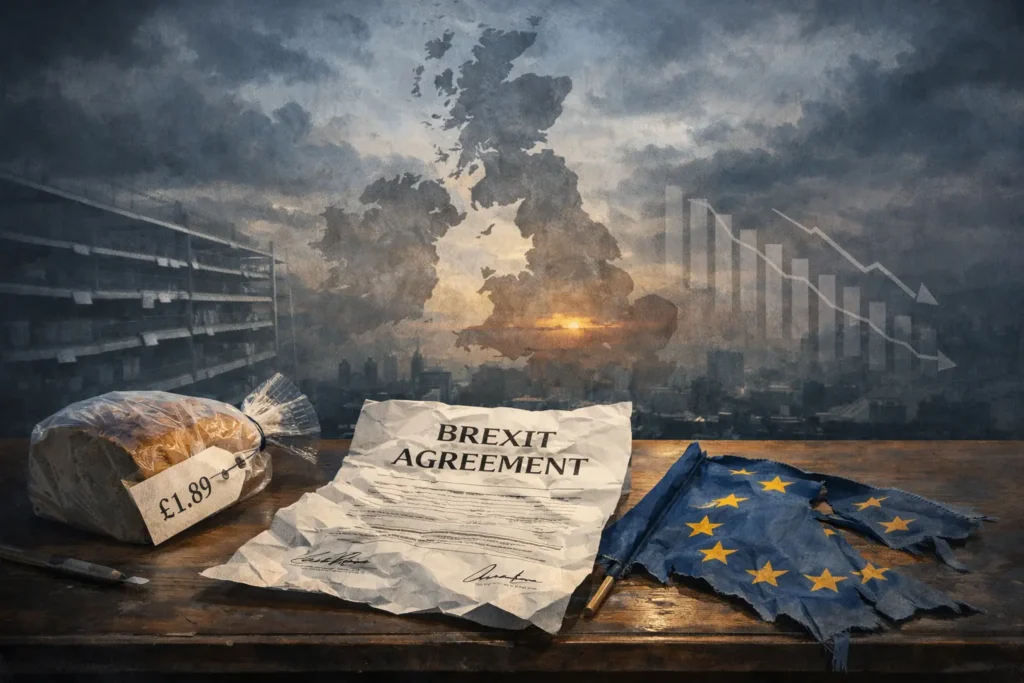
Since the decisive 2019 general election that promised to “Get Brexit Done,” public sentiment in the United Kingdom has undergone a profound transformation. What was once a fierce ideological divide has increasingly given way to widespread buyer’s remorse, a phenomenon commonly dubbed “Bregret.” Leaving the EU was not a great idea after all.
Brexit latest polling consistently indicates a significant majority of Britons now believe leaving the EU was a mistake. This shift is primarily driven by harsh economic realities. The anticipated post-Brexit trade benefits have largely failed to materialise, replaced instead by bureaucratic friction, persistent labour shortages, and exacerbated cost-of-living pressures.
Crucially, voters who initially supported the departure frequently cite unfulfilled promises regarding border control and enhanced funding for public services.
Despite this souring public mood, the political appetite for a complete reversal remains subdued. Major political parties, wary of reigniting the exhausting debates of the late 2010s, focus on streamlining specific trade mechanisms rather than launching campaigns to rejoin the bloc.
Ultimately, the UK’s attitude toward Brexit has shifted from passionate optimism to a weary consensus: it is a complex reality that has delivered significantly fewer benefits and more economic complications than the British electorate was originally led to believe.
We use cookies to ensure that we give you the best experience on our website. If you continue to use this site we will assume that you are happy with it.