
Hidden Gems Of Madrid

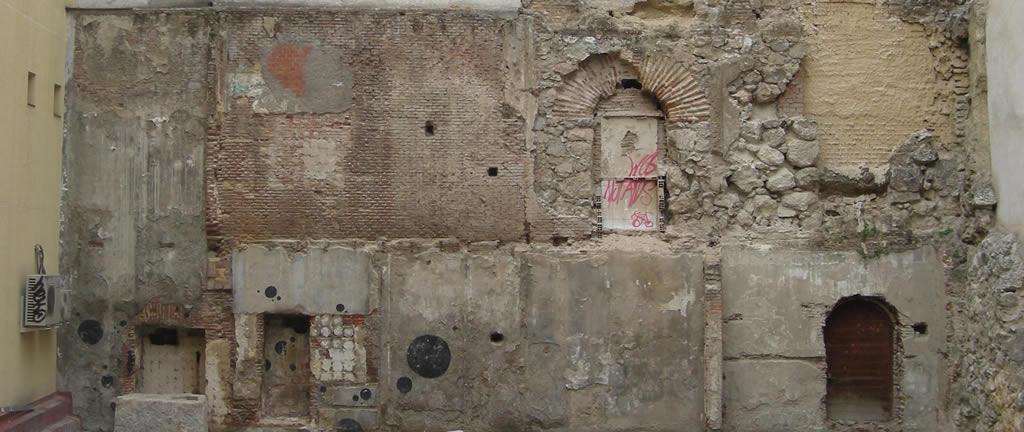
Dotted around, you will find hidden gems in Madrid which people either don’t know about, or don’t visit very often. These non touristy things do in Madrid offer alternative activities not usually done by visitors to Madrid. Their unassuming entranceways are located on quiet roads; for example, in the districts of Lavapiés and Huertas. They are hidden behind old hospitals, monasteries and the former homes of royals. Let’s take the neighbourhood of La Latina, for instance. On Calle del Almendro – a reminder of this street’s tree-lined past – you will find the ruins of the old Christian Wall of Madrid, sheltered by buildings 15 and 17. Those in the know head to this area for tasty tapas. Here are a few more of hidden gems in Madrid that are waiting to be discovered.
Huerto de las Monjas

Calle Sacramento is a narrow road occupied in the main by recently constructed buildings. Building 7, however, is different, as it is here that you will find Huerto de las Monjas. Until 1972 a convent stood here, sheltering this enchanting green space with its high walls. It is thought that it was previously a kitchen garden, where vegetables such as cabbages, carrots, chives and lettuce were grown. Hence, when strolling around here you will feel like you have gone back in time.
Originally established in the 17th century, this secret garden once belonged to the Convento del Sacramento. Here, Cistercian nuns cultivated their own vegetables within the protective walls of the monastery.
Today, also known as the Garden of the O’Reilly Palace, it remains one of the really hidden gems in Madrid. Visitors seeking a moment of peace can stroll through this historic courtyard, where the elegant gateway and shaded pathways preserve a beautiful slice of Spain’s cultural tapestry.
One of the lesser-known hidden gems in Madrid.
Iglesia de San Sebastián

The San Sebastián church used to have its own burial ground – the Cemetery of San Sebastián. However, in 1889, this cemetery was turned into a florist (Huertas, 2 – referred to by Galdós in his book, Misericordia). The headstones of the graves may not be visible anymore, but the respectful atmosphere and quiet that such a place deserves has been retained. There are clues as to this shop’s past; such as the olive and cypress trees that grow here. You will be hard pressed to find a place with more history in this district.
Located in the heart of Madrid’s vibrant Barrio de las Letras, the Iglesia de San Sebastián is a beautiful historic parish with a rich, albeit turbulent, past. Originally founded in the 16th century, this striking brick church has survived centuries of change, including significant reconstruction following the Spanish Civil War.
It is most famous for its deep ties to Spanish cultural history. It served as the original resting place of the legendary playwright Lope de Vega, as well as other prominent Spanish figures like the architect Ventura Rodríguez. With its classic façade and peaceful atmosphere, it stands as a quiet witness to Madrid’s enduring literary and artistic legacy.
Flights and Accommodation
Find Flights
Find Accommodation
Convento de los Jerónimos
For several hundreds of years, fruit trees belonging to the Convento de los Jerónimos grew on Calle de las Huertas. The convent was located on the opposite side of the Paseo del Prado. In the 1600s, however, development of this area began, and nowadays only this hill’s title reminds us of its past. However, during summer months you can feel the refreshing light winds originating in the Botanical Gardens. Here, then, is a clue to the network of wells and irrigation channels that criss-crossed this area three centuries ago.
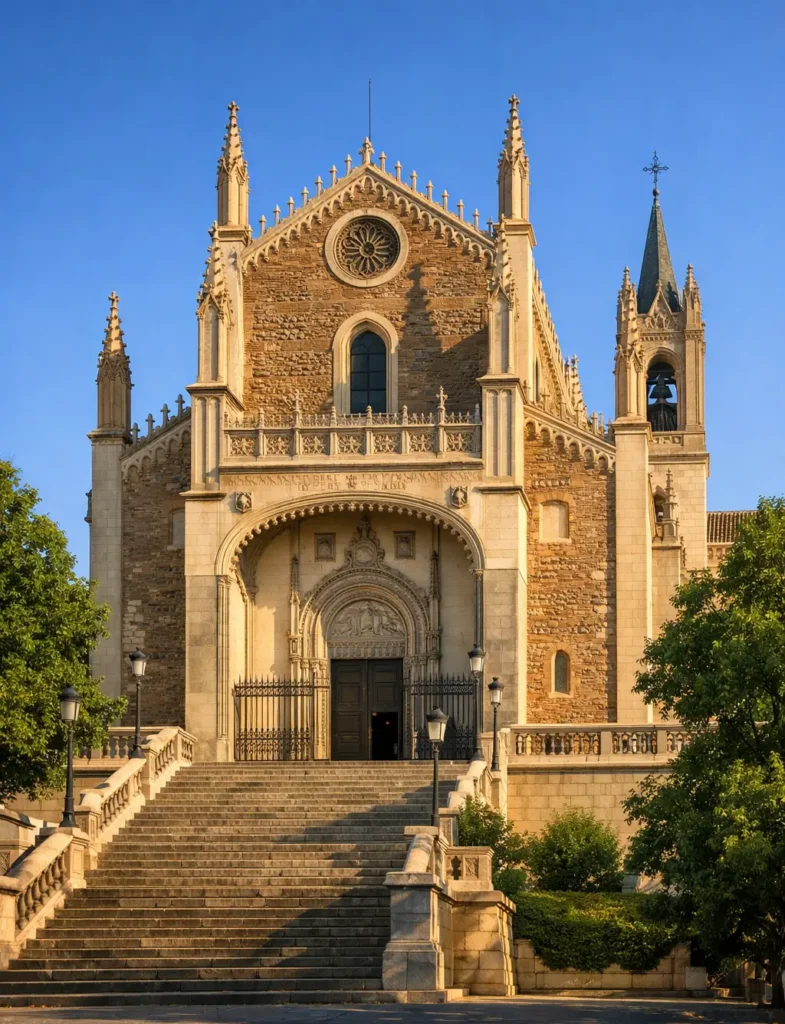
Located just steps away from the iconic Prado Museum, the Convento de los Jerónimos (officially known as San Jerónimo el Real) is one of Madrid’s most significant and captivating historical landmarks.
Originally founded by the Catholic Monarchs in the 15th century, this stunning Late Gothic church has deep royal ties. For centuries, it served as the prestigious site for Spanish royal swearings, weddings, and funerals. Though much of the original monastery was destroyed during the Peninsular War, the beautifully restored church and its elegant cloisters still stand proud today.
With its striking facade, intricate stonework, and soaring spire, it offers a breathtaking glimpse into Spain’s regal past right in the bustling heart of the capital.
Reina Sofía National Museum
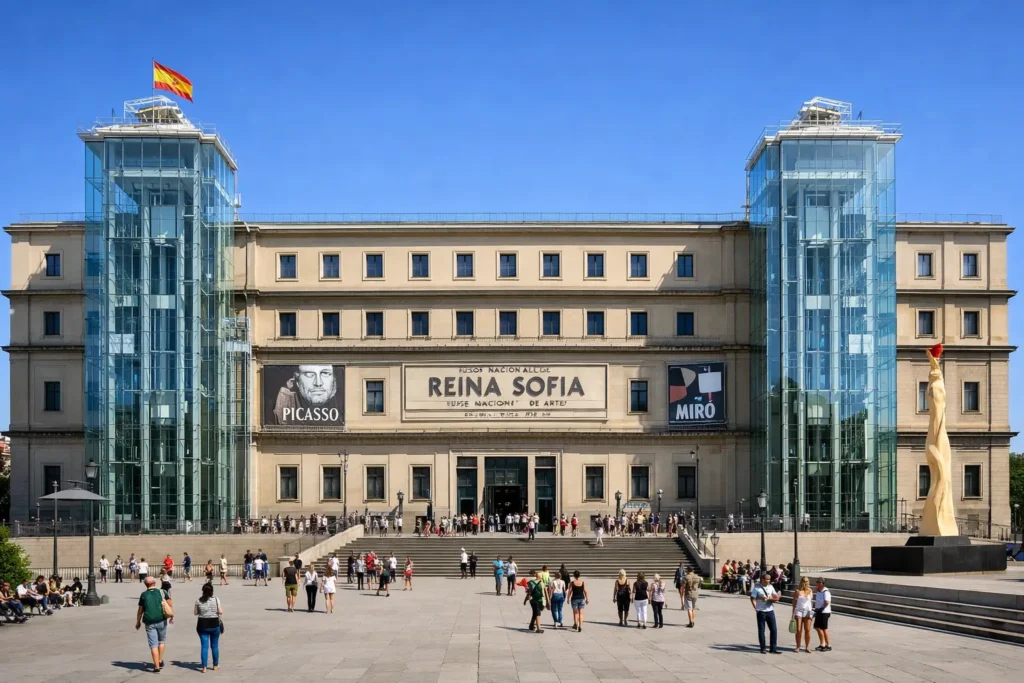
For decades, what is now the garden of the Reina Sofía National Museum and Art Centre was the sheltered back area of the San Carlos Hospital. Dating from the mid-late 18th century, this garden offers a much needed respite from the buzz of the city. Up until the 1800s, it was used by patients to get some fresh air and sun. While wandering around you can admire the pieces of art, while listening to the flow of water in the fountains and the rustle of the leaves on the trees. Rumour has it, however, that at night time the spirits of the nuns who ran the hospital now walk around the museum’s galleries.
Located in the heart of Madrid, the Reina Sofía National Museum is a must-visit destination for contemporary and modern art lovers. Housed in the historic Sabatini building, a former 18th-century hospital, the museum blends classic architecture with striking modern additions, like its iconic glass and steel elevator towers.

Inside, visitors can explore an unparalleled collection of 20th-century Spanish art. The galleries feature masterpieces by Salvador Dalí and Joan Miró, alongside the museum’s undeniable crown jewel: Pablo Picasso’s powerful anti-war mural, Guernica. Forming one-third of Madrid’s renowned “Golden Triangle of Art,” the Reina Sofía offers a profound and emotional journey through Spain’s rich artistic history.
It rates as one of the non touristy things to do in Madrid because , although it has over 1.5 million visitors per year, that is less than half of the number visiting the more well-known Prado Museum.
Templo de Debod – One of the Hidden Gems in Madrid
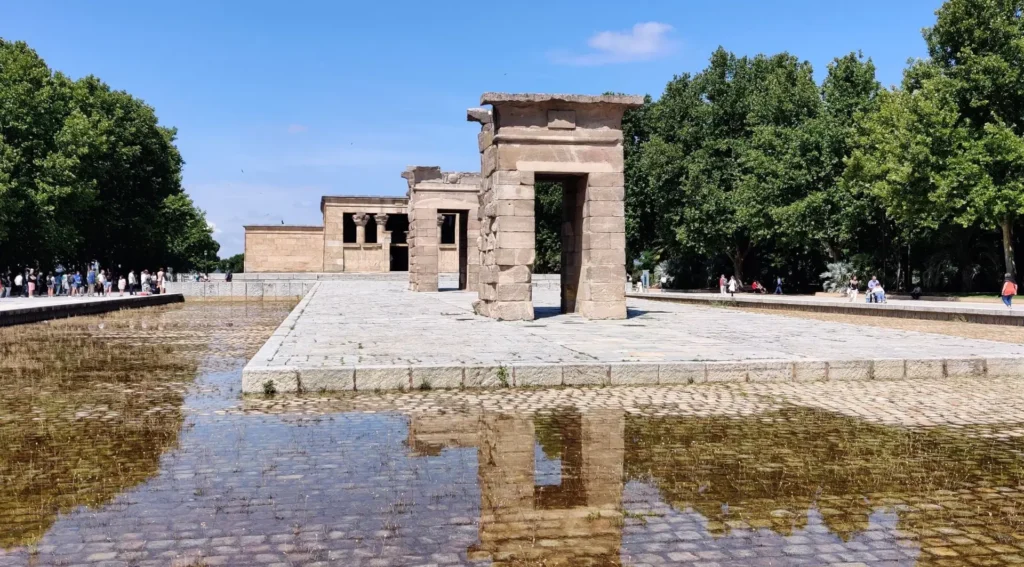
Right in the heart of Madrid lies an unexpected treasure: the Templo de Debod.
This authentic ancient Egyptian temple, dating back to the 2nd century BC, was dismantled and meticulously rebuilt block by block in Spain’s Parque del Oeste. It was a generous gift from Egypt in 1968, thanking the Spanish government for its crucial help in saving the historic Abu Simbel temples from the flooding caused by the Aswan High Dam.
Today, it stands as one of Madrid’s most magical spots. Surrounded by peaceful gardens and reflecting pools, it offers what locals argue is the most spectacular sunset view in the entire city. One of the hidden gems in Madrid which is a true must-visit!