

Information About Madrid
The Ultimate Madrid Travel Guide
This Madrid travel guide aims to help you navigate the vast array of sights and attractions in the city and to give you tips and hints about how to make the best of your visit to the capital of Spain.
Located high on the central Iberian plateau, Madrid is Europe’s sunniest capital and one of its most spirited cities. Unlike capitals that hide their treasures behind closed doors, Madrid wears its grandeur right out on the street. It is a city defined by broad imperial boulevards, tranquil manicured gardens, legendary art galleries, and a lifestyle that treats socialising as a vital daily ritual. If you are looking for world-class museums, late-night tapas bars, or architectural splendour, Madrid is the place for you.
A Very Short History of Madrid
Madrid’s origins trace back to the 9th century, when the Umayyad Emir Muhammad I founded a small fortified settlement known as Mayrit along the Manzanares River. In 1083, the town was conquered by Alfonso VI of Castile. Madrid’s fortunes changed permanently in 1561, when King Philip II moved the Spanish royal court from Toledo, making Madrid the administrative centre of the Spanish Empire. Over the centuries, Habsburg monarchs built its winding central alleys, Bourbon rulers gave it grand palaces and neoclassical monuments, and modern Spaniards turned it into a dynamic, progressive European metropolis.
Population and Vital Statistics
- City Population: Approximately 3.4 million residents
- Metropolitan Area: Over 6.7 million people
- Elevation: Around 650 metres above sea level, making it the second-highest capital city in Europe after Andorra la Vella.
- Language: Spanish (Castilian), with English widely spoken in hotels, major restaurants, and tourist zones.
Visiting Madrid: When to Go
Madrid enjoys a Mediterranean-continental climate featuring crisp, sunny winters and hot, dry summers.
- Spring (April to June): The ideal window to visit, offering comfortable temperatures, open-air cafe terraces in full swing, and blooming gardens.
- Autumn (September to November): Warm afternoons, crisp evenings, and golden foliage across the city’s royal parks.
- Summer (July and August): Temperatures regularly exceed 35°C (95°F). Many locals head to the coast in August, leaving parts of the city quiet, though air conditioning and long evenings compensate. Can sometimes be uncomfortably hot for visitors from cooler regions.
- Winter (December to February): Crisp and dry with bright blue skies, festive holiday lights, and fewer tourist crowds.
Airports and Getting into the City
Madrid is served by Adolfo Suárez Madrid-Barajas Airport (MAD), situated roughly 12 kilometres northeast of the city centre. As one of Europe’s primary aviation hubs, Barajas links Spain to major cities worldwide across four expansive terminals (T1, T2, T3, and T4/T4S).
Reaching central Madrid from Barajas is fast and straightforward:
- Metro: Line 8 (Pink Line) runs from Terminals 1–3 and Terminal 4 directly to Nuevos Ministerios in roughly 15 to 20 minutes.
- Cercanías Train: Line C-1 connects Terminal 4 to major stations like Chamartín, Atocha, and Príncipe Pío.
- Airport Express Bus (Línea Exprés Aeropuerto): A 24-hour bright yellow shuttle connecting all terminals to O’Donnell, Plaza de Cibeles, and Atocha Station in 30 to 40 minutes.
- Taxi: Official white taxis charge a flat rate of 33 EUR to any point within the central M-30 ring road.
Flights and Accommodation
Find Flights
Find Accommodation
Getting Around: Transport Options
Madrid possesses one of the cleanest, safest, and most efficient public transit systems in the world.
- The Metro: With over 300 stations across 12 lines, the underground network reaches virtually every tourist landmark and residential quarter. Reloadable Multi cards are available at all station kiosks.
- Buses (EMT): Modern blue buses crisscross surface streets, offering contactless payment and scenic routes through main avenues.
- Cercanías: Commuter rail lines ideal for day trips to UNESCO heritage sites like Toledo, Segovia, and El Escorial.
- BiciMAD: An extensive citywide electric bike-share system featuring docks near major plazas and thoroughfares.
- Walking: Central Madrid is remarkably compact; walking between neighborhoods like Sol, Malasaña, and La Latina takes only 10 to 15 minutes.
Top 10 Visitor Attractions in Madrid
For this Madrid travel Guide we have selected 10 famous locations in the city which give a good taste of the look and feel of Spain’s capital.
- The Prado Museum (Museo del Prado): One of the world’s premier art galleries, home to unmatched masterworks by Velázquez, Goya, and El Bosco.
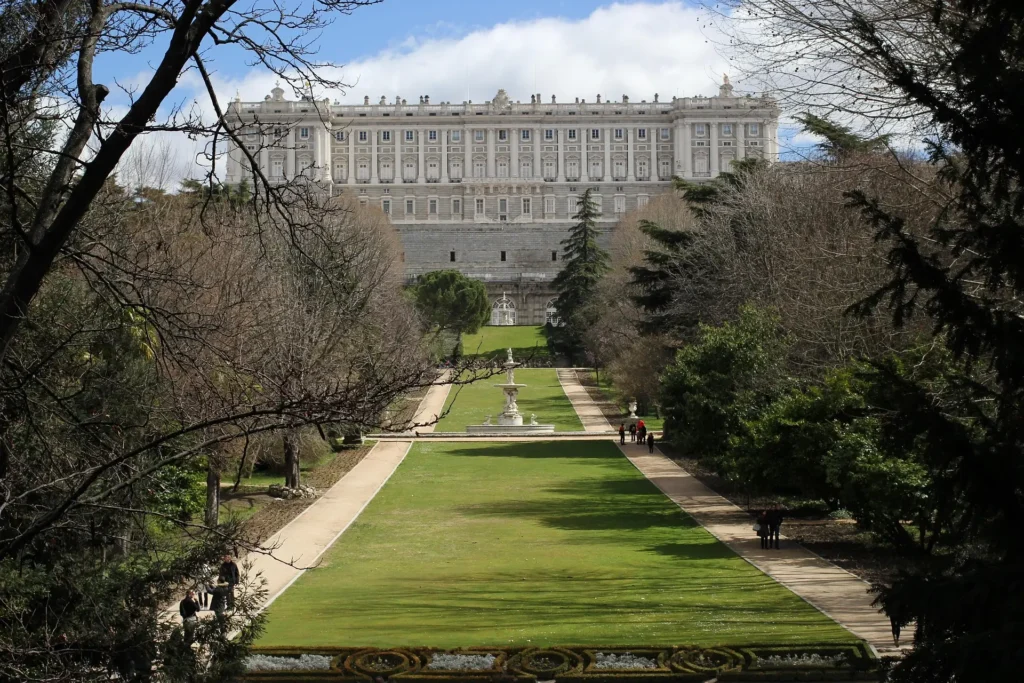
- Royal Palace of Madrid (Palacio Real): Western Europe’s largest functioning royal palace, boasting more than 3,400 lavishly decorated staterooms.
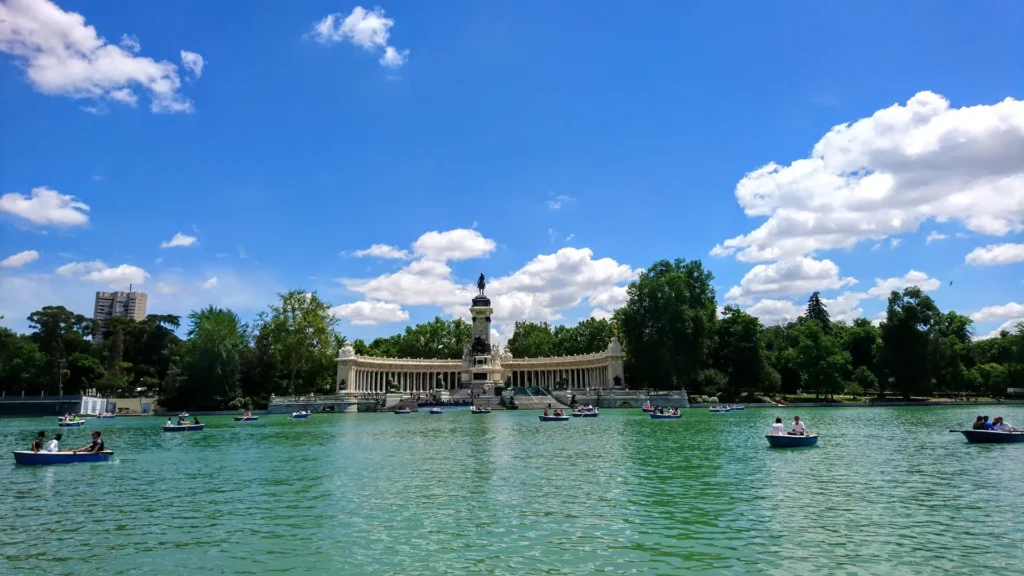
- El Retiro Park (Parque del Buen Retiro): A UNESCO-inscribed green sanctuary featuring a tranquil rowing lake, shaded avenues, and the glass-domed Crystal Palace.
- Plaza Mayor: A grand 17th-century arcaded square steeped in Habsburg history that serves as the ceremonial heart of old Madrid.
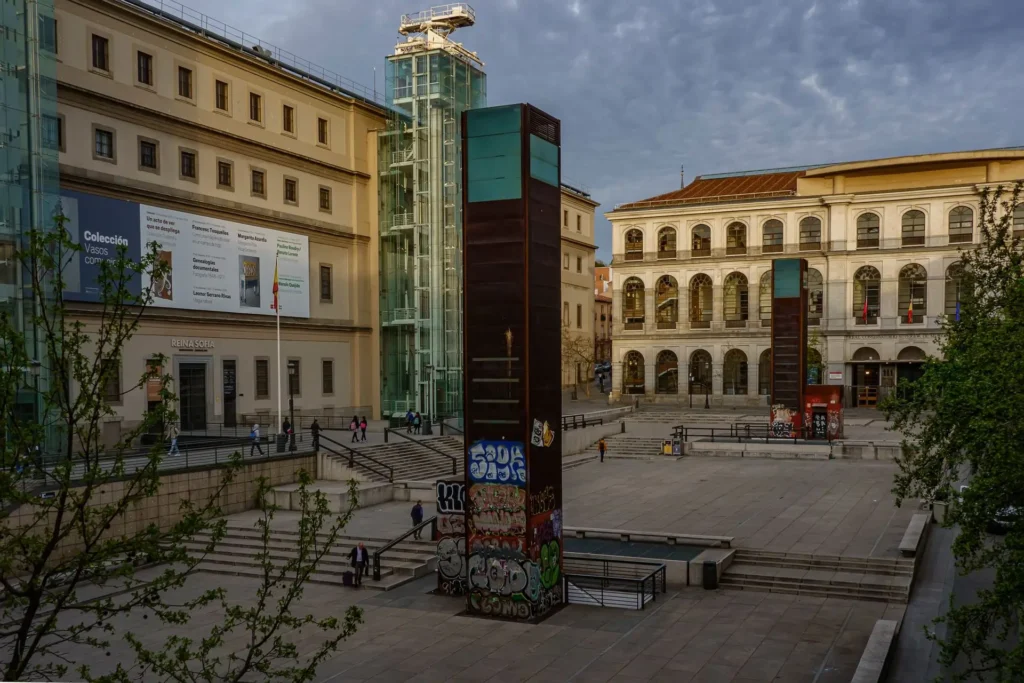
- Reina Sofía Museum (Museo Nacional Centro de Arte Reina Sofía): Spain’s national museum of modern art, best known as the permanent home of Picasso’s harrowing anti-war masterpiece, Guernica.
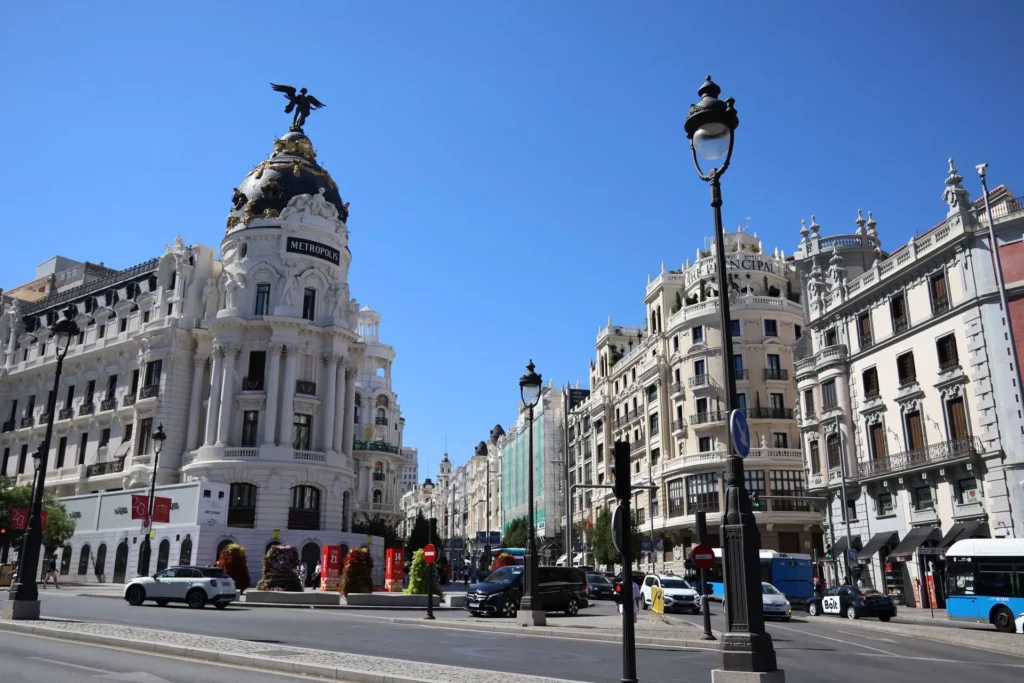
- Gran Vía: Madrid’s bustling Broadway-style boulevard, lined with early 20th-century theatres, flagship retail shops, and ornate towers.
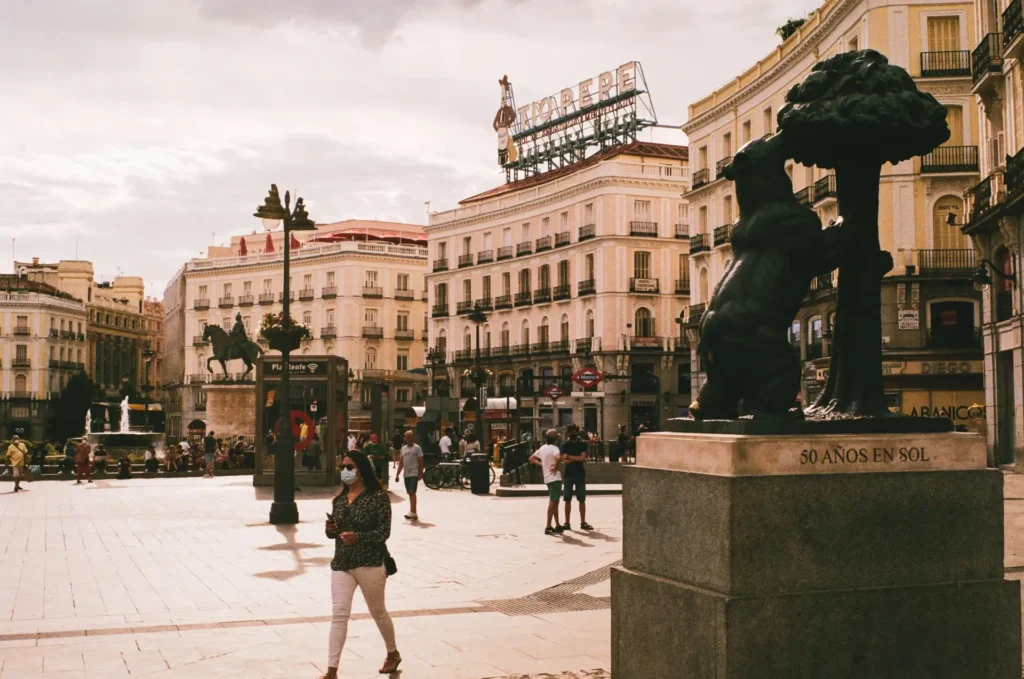
- Puerta del Sol: The lively crossroads marking Spain’s “Kilometre Zero,” famous for street performers and the iconic bronze statue of the Bear and the Strawberry Tree.
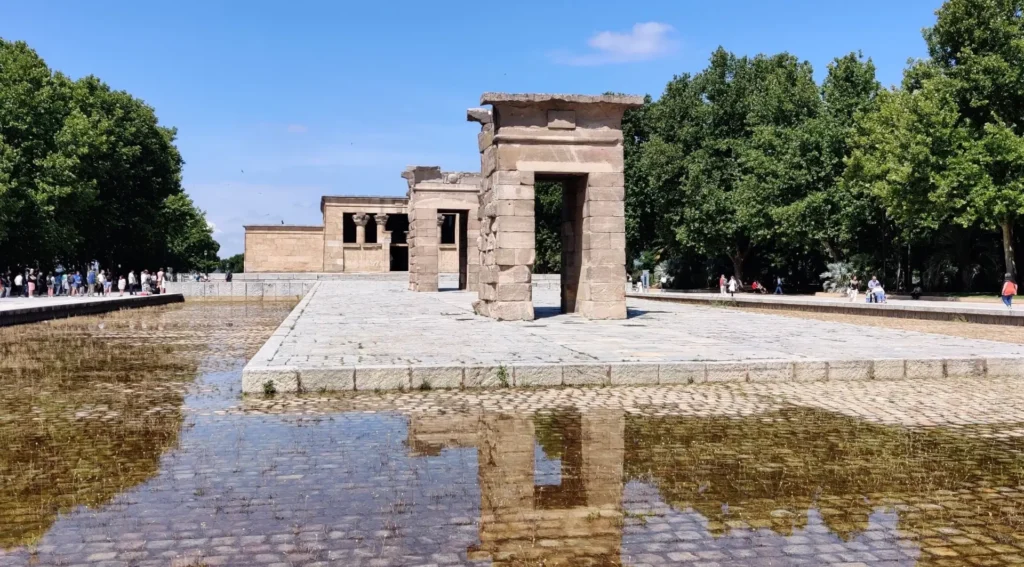
- Temple of Debod: An authentic 2nd-century BC Egyptian temple gifted to Spain and reconstructed in West Park, offering sunset panoramas over the royal gardens.
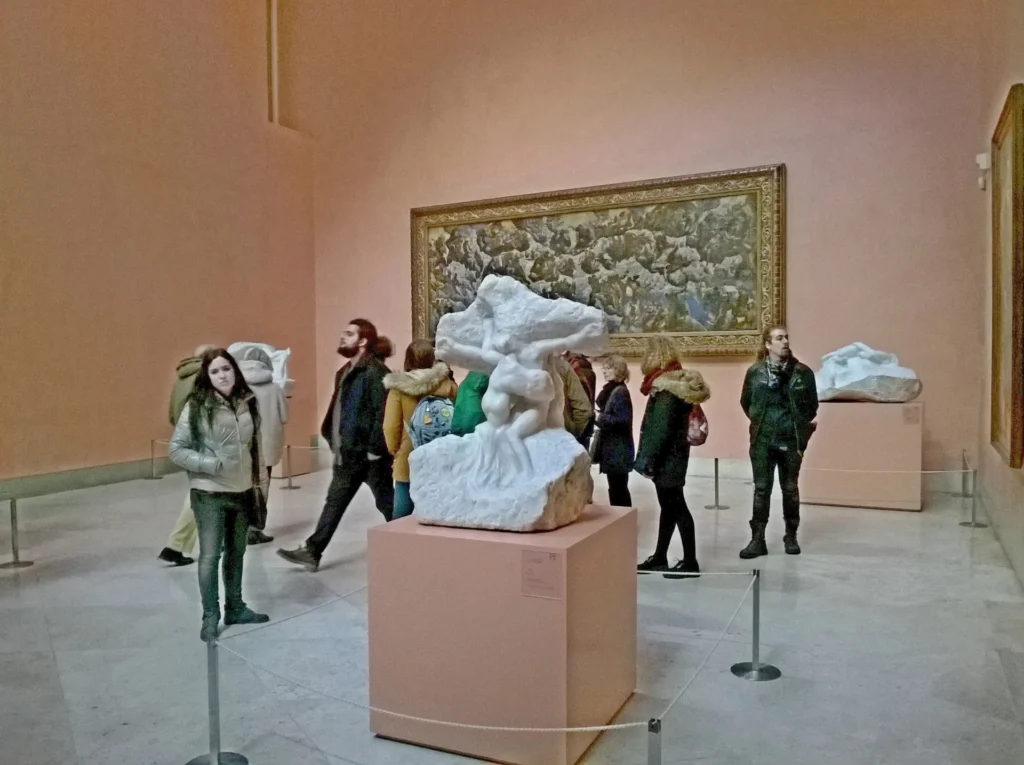
- Thyssen-Bornemisza National Museum: The third pillar of Madrid’s Golden Triangle of Art, tracing European painting across eight centuries from the Italian Renaissance to Pop Art.
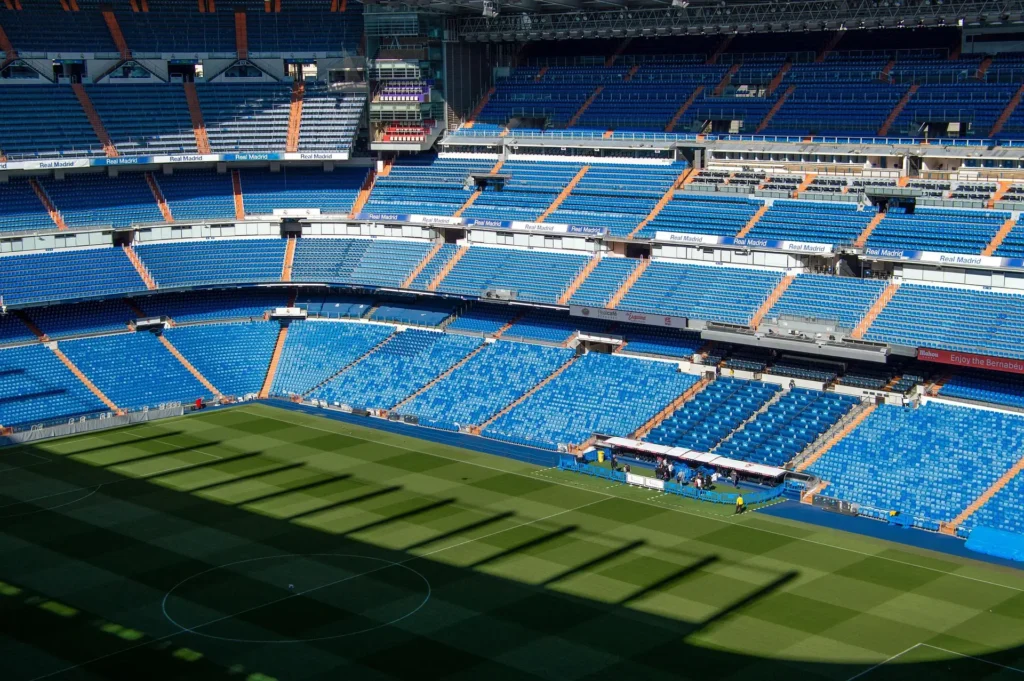
- Santiago Bernabéu Stadium: The cutting-edge stadium of Real Madrid, featuring interactive trophy rooms, museum exhibits, and state-of-the-art sports architecture.
Tours and Tickets
Architecture: From Habsburg Brick to Belle Époque Splendour
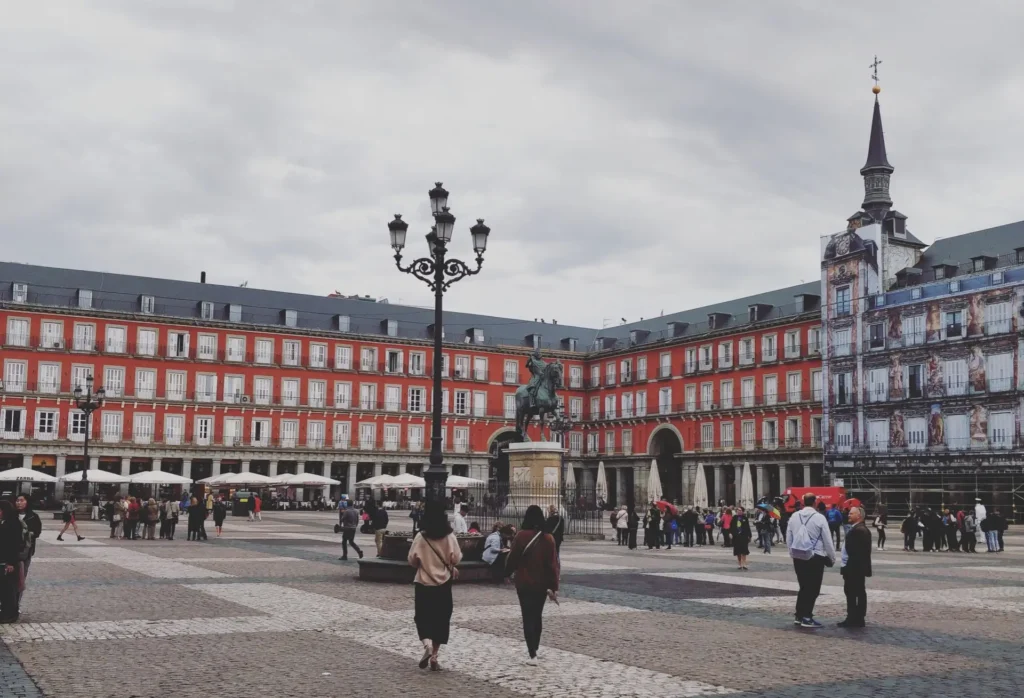
Madrid’s built environment reflects its rise from a medieval garrison to an imperial showcase:
- Austrias Madrid (Habsburg Era): Characterized by exposed red brick, slate spires, wrought-iron balconies, and cobblestone lanes around Plaza de la Villa.
- Bourbon Classical Grandeur: Introduced during the 18th century, showcasing white Colmenar limestone, symmetry, and monumental fountains like Cibeles and Neptuno.
- Gran Vía Eclecticism: The early 1900s brought Art Nouveau, Neo-Mudéjar, and Beaux-Arts monuments like the Edificio Metrópolis and the Círculo de Bellas Artes.
Arts and Culture
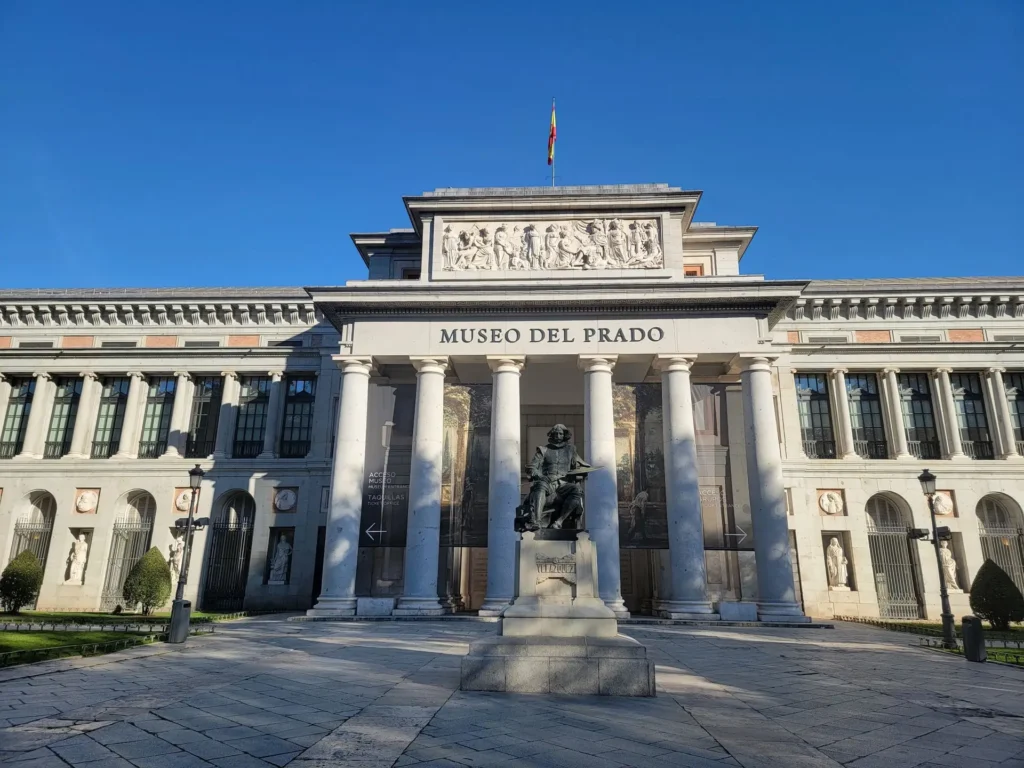
No Madrid travel guide would be complete without mentioning the city’s very rich cultural heritage.
Madrid breathes culture at every turn. Its famed Golden Triangle of Art—the Prado, the Thyssen-Bornemisza, and the Reina Sofía—packs hundreds of years of artistic genius along the leafy Paseo del Prado. Beyond classic galleries, creative centers like Matadero Madrid (a converted slaughterhouse turned contemporary arts complex) and La Casa Encendida host independent exhibitions, film festivals, and acoustic performances. Flamenco also remains an essential cultural experience; venues like Corral de la Morería present emotive song and dance that echo southern Spanish traditions.
Madrid Travel Guide – Food and Local Delicacies
Dining in Madrid revolves around seasonal ingredients, straightforward techniques, and traditional recipes:
- Cocido Madrileño: A rich chickpea, pork, chorizo, and vegetable stew traditionally served in two or three courses.
- Bocadillo de Calamares: Crispy deep-fried squid rings piled into crusty baguette rolls, best sampled around Plaza Mayor.
- Tortilla de Patatas: Spanish potato and egg omelette, served slightly runny (jugosa) at spots like Juana La Loca or Casa Dani.
- Huevos Rotos: Fried potatoes crowned with sunny-side-up eggs and cured Iberian ham, mixed together table-side.
- Churros con Chocolate: Fluted fried pastry dunked in thick, dark dipping chocolate, famously perfected at Chocolatería San Ginés.
Wining and Dining
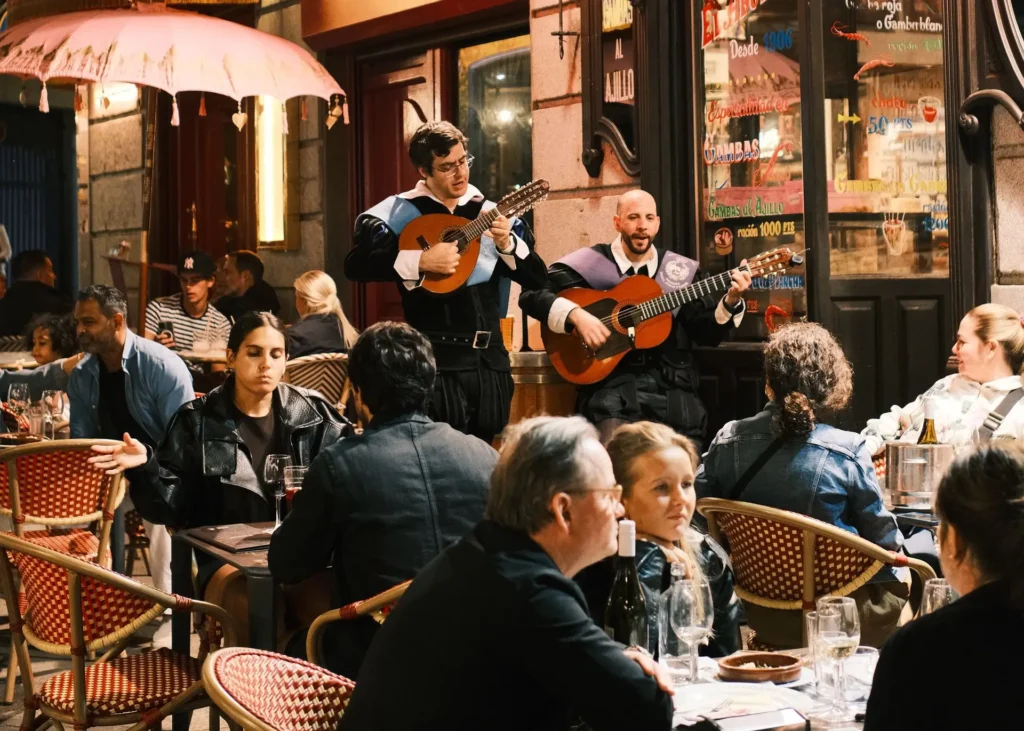
Meals in Madrid are deliberate and unhurried.
- Tapas Crawling: Hop between bars in La Latina along Calle Cava Baja, ordering a small dish (tapa) and a small beer (caña) or glass of Ribera del Duero at each counter.
- Mercados (Food Halls): Mercado de San Miguel offers upscale bites beneath iron architecture, while Mercado de San Antón in Chueca and Mercado de la Paz in Salamanca offer local produce and dining stalls.
- Historic Taverns: Visit Sobrino de Botín, officially recognized by Guinness World Records as the oldest continuously operating restaurant in the world (founded in 1725), famous for roast suckling pig.
- Rooftop Terraces (Azoteas): Sip vermouth on tap while taking in sweeping skyline views from venues like Círculo de Bellas Artes, Riu Plaza España, or The Principal.
World-Famous Nightlife
Nightlife in Madrid starts late and runs until dawn. Evenings kick off around 9:00 PM with drinks, dinner lands at 10:00 PM, and cocktail bars open around midnight.
Each district brings its own flavor:
- Malasaña: Alternative and hipster, filled with indie venues, retro craft beer pubs, and vinyl bars.
- Chueca: The city’s open LGBTQ+ nightlife district, packed with vibrant clubs, cocktail bars, and patio seating.
- Huertas (Barrio de las Letras): Literary-themed tavern corridors and intimate jazz lounges.
- Mega Clubs: For late-night dancing, venues like the seven-story Teatro Kapital or electronic club Fabrik keep the music going well into the morning hours.
Madrid Accommodation on The Map
Practical Tips for First-Time Visitors
Madrid Travel Guide: Things to Know
- Adjust Your Schedule: Lunch runs from 2:00 PM to 4:00 PM, and dinner rarely starts before 8:30 or 9:00 PM. Arriving at a traditional restaurant at 6:00 PM will often mean closed doors.
- Tipping Etiquette: Tipping is modest; rounding up or leaving 5% to 10% for attentive table service is customary, but never mandatory.
- Sundays at El Rastro: Head to La Latina on Sunday mornings for Madrid’s sprawling open-air flea market, followed by vermouth and tapas with the locals.
- Stay Hydrated: Tap water in Madrid (agua del grifo) comes straight from the nearby Sierra de Guadarrama mountains and is among the highest-quality drinking water in Europe.
This Madrid travel guide should help you to navigate the unforgettable mix of historic monuments, world-class art, and unmatched late-night spots. Put on your most comfortable walking shoes, adjust your clock to Spanish time, and prepare to immerse yourself in one of the world’s most captivating capital cities.