
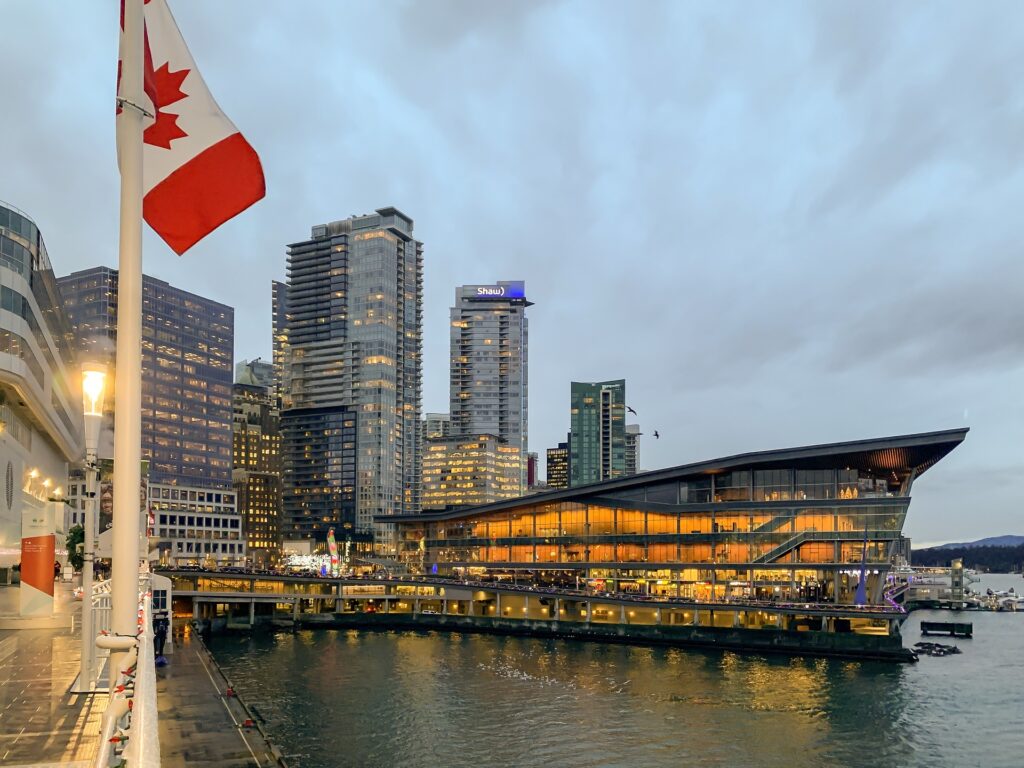
Information About Vancouver
Vancouver in British Columbia, Canada is world-class destination where rugged mountain peaks meet the sparkling waters of the Pacific Ocean. Situated on the west coast of Canada, this exciting metropolis is consistently ranked as one of the most livable cities on the planet. Vancouver offers an unforgettable urban adventure surrounded by unparalleled natural beauty. There are great opportunities for outdoor enthusiasts looking to hit the ski slopes, hikers, foodies and visitors exploring the rich Indigenous heritage of the area.
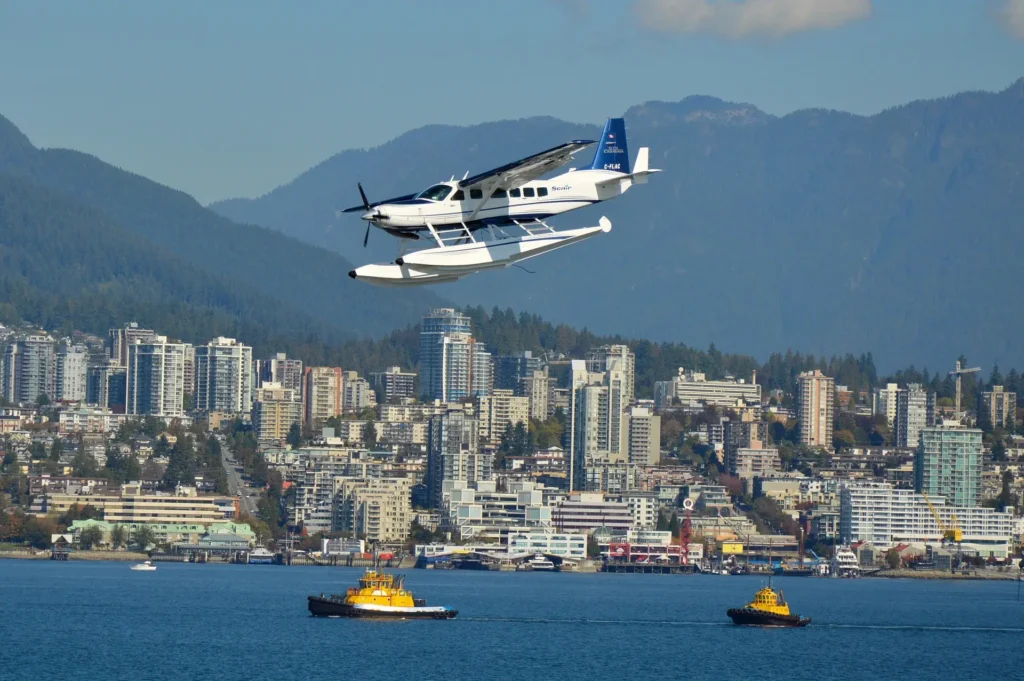
Visiting Vancouver
Planning a trip to Vancouver requires a bit of seasonal strategy depending on what you want to experience. The city enjoys a temperate oceanic climate, which makes it the warmest major city in Canada during the winter months. While the rest of the country is blanketed in snow, Vancouver often experiences mild temperatures and frequent rain, affectionately earning it the nickname Raincouver.
The best time for general sightseeing is from late May through September, when the skies clear up, offering warm, sunny days perfect for hiking, kayaking, or relaxing on the city’s many beaches. However, if you are a winter sports enthusiast, visiting between December and March grants you easy access to world-class snowboarding and skiing at nearby resorts. Regardless of the season, packing layers and a reliable rain jacket is always a smart move for any Vancouver itinerary.
Map of Vancouver
Population
Vancouver is the most populous city in the province of British Columbia, though it maintains a surprisingly relaxed, neighbourhood-centric vibe. The City of Vancouver itself has a population of approximately 670,000, but the broader Metro Vancouver area is home to roughly 2.6 million people. It is renowned for being one of the most ethnically and linguistically diverse cities in North America. Over half of the city’s residents have a first language other than English, creating a rich multicultural tapestry that heavily influences the local arts, festivals, and exceptional culinary scene.
Airports and Transport Options
Getting to and navigating around Vancouver is remarkably efficient thanks to highly developed infrastructure. Airports Most international travelers arrive via Vancouver International Airport (YVR), located in Richmond, just south of the city center. YVR is frequently rated as the best airport in North America, featuring stunning Indigenous art installations and massive saltwater aquariums that immediately immerse you in British Columbia’s culture. For budget domestic flights or those exploring the eastern Fraser Valley, Abbotsford International Airport (YXX) serves as a secondary, smaller hub located about an hour’s drive from downtown.
Transport Options: Once you land, you rarely need a rental car to explore the urban core. Vancouver’s public transit network, managed by TransLink, is clean, safe, and expansive.
- The SkyTrain: This fully automated rapid transit system is the fastest way to get around, with the Canada Line connecting YVR airport directly to downtown Vancouver in under 30 minutes.
- The SeaBus: A passenger-only ferry that crosses the Burrard Inlet, connecting downtown’s Waterfront Station to the mountainous North Shore in just 12 minutes.
- Buses: An extensive network of electric trolleybuses and standard buses fills the gaps between SkyTrain stations.
- Active Transport: Vancouver is incredibly bike-friendly, with hundreds of kilometres of separated bike lanes, alongside popular ride-sharing options and electric scooters.
Top 10 Visitor Attractions
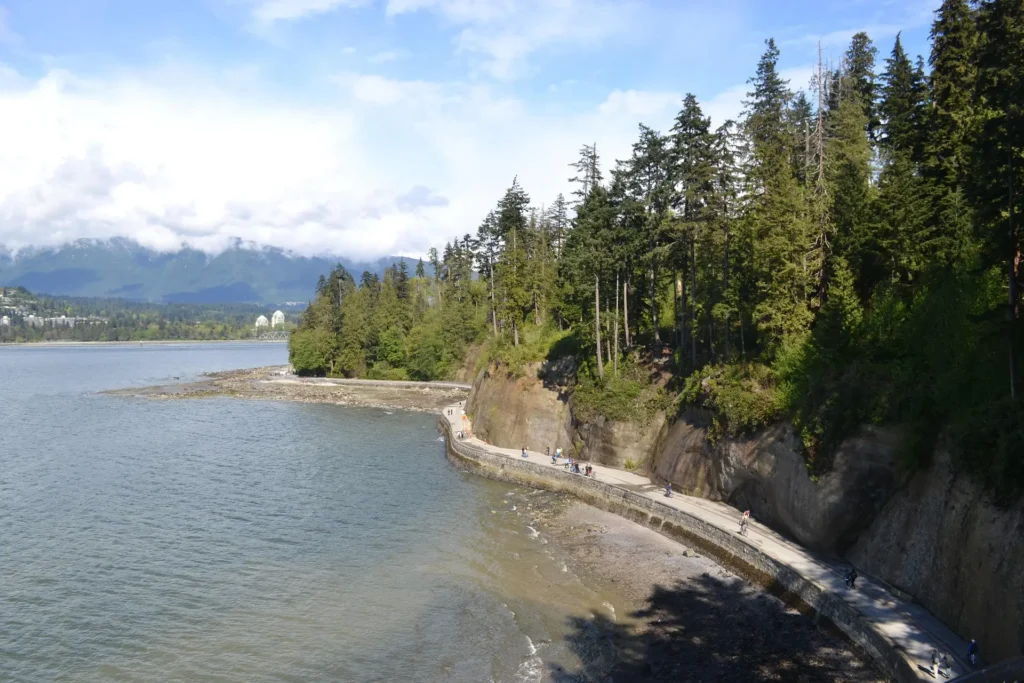
- Stanley Park: This massive 400-hectare urban rainforest offers scenic seawall biking trails, ancient cedars, and majestic Indigenous totem poles right at the edge of downtown.
- Granville Island Public Market: A bustling indoor market situated on a peninsula, brimming with fresh local produce, artisanal cheeses, gourmet baked goods, and unique handcrafted arts.
- Capilano Suspension Bridge Park: Visitors can walk across a breathtaking, gently swaying bridge suspended 70 meters above the Capilano River, surrounded by towering evergreen trees.
- Grouse Mountain: Accessible by a scenic aerial tramway, this peak provides panoramic views of the city, grizzly bear habitats, and excellent winter skiing just minutes from the urban center.
- Vancouver Aquarium: Located deep within Stanley Park, this facility is a major marine rescue center where you can observe sea otters, jellyfish, and diverse Pacific sea life.
- Gastown and the Steam Clock: The city’s oldest neighborhood charms visitors with its cobblestone streets, Victorian architecture, and a quirky antique clock that shoots steam to chime the hour.
- Museum of Anthropology: Situated on the University of British Columbia campus, this visually stunning museum houses one of the world’s finest collections of Northwest Coast Indigenous art.
- Queen Elizabeth Park: The highest point in the city features meticulously manicured quarry gardens, an exotic indoor floral conservatory, and sweeping views of the downtown skyline.
- Canada Place: Easily recognized by its iconic white sails, this waterfront landmark serves as a cruise ship terminal and houses the exhilarating “FlyOver Canada” virtual flight ride.
- Science World: Housed inside a glowing geodesic dome at the edge of False Creek, this interactive science center offers hands-on exhibits that fascinate both children and adults.
Tours and Tickets
Architecture and Culture
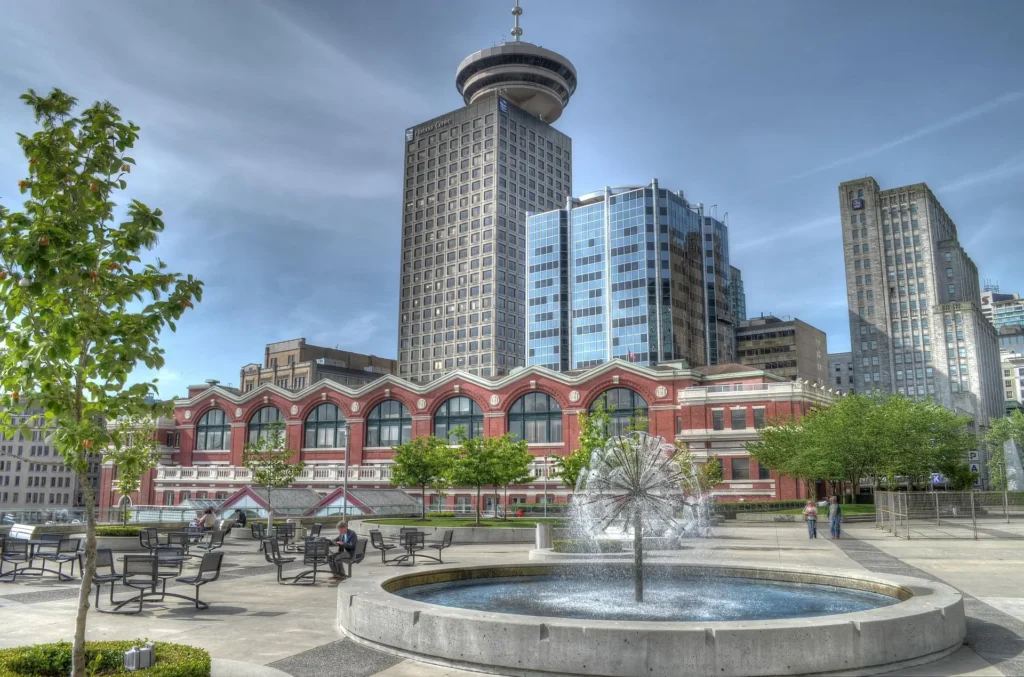
Vancouver’s architectural landscape is defined by a unique urban planning philosophy known globally as Vancouverism. This style is characterized by tall, slim residential towers built above mixed-use podiums, intentionally designed to preserve sightlines of the mountains and the ocean. Contrast this modern glass skyline with the heritage brick buildings of Gastown or the Edwardian-style homes in Strathcona, and you get a city that beautifully bridges its pioneer past with a futuristic vision.
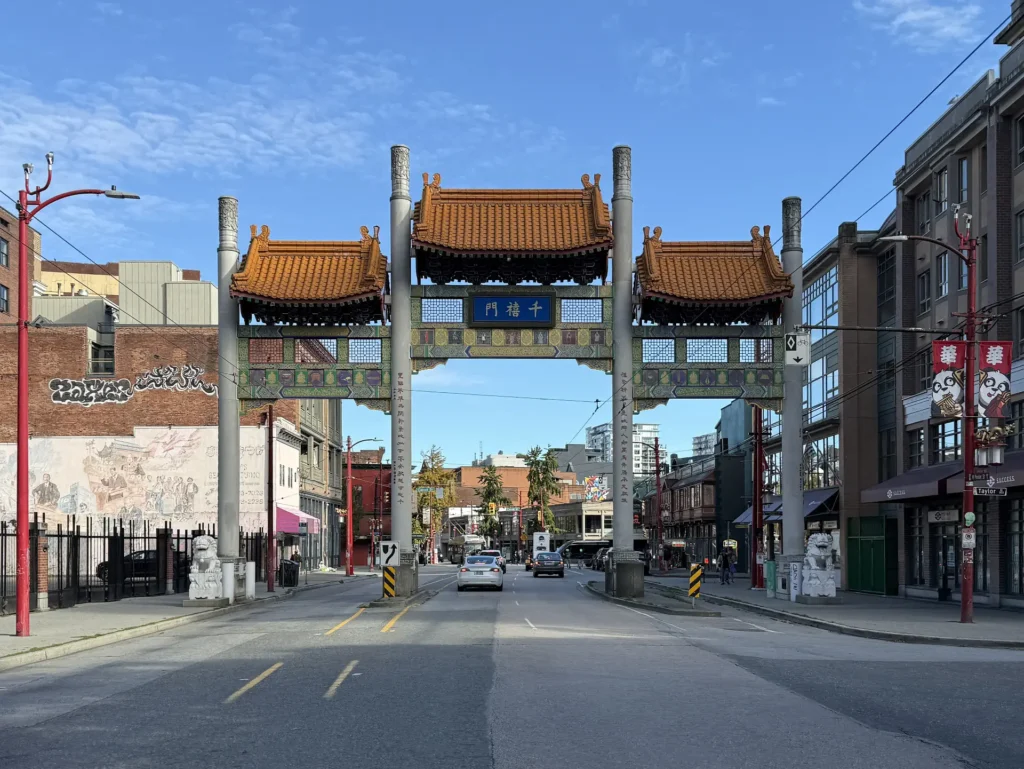
Culturally, Vancouver is deeply rooted in the heritage of the Coast Salish peoples, specifically the Musqueam, Squamish, and Tsleil-Waututh Nations, upon whose unceded territory the city was built. Indigenous art, totem poles, and modern cultural centers are prominent throughout the city. Furthermore, strong Asian influences have shaped Vancouver’s cultural identity, celebrated through vibrant neighborhoods like Chinatown and the historic Punjabi Market.
Vancouver Accommodation on The Map
Wining, Dining, and Food
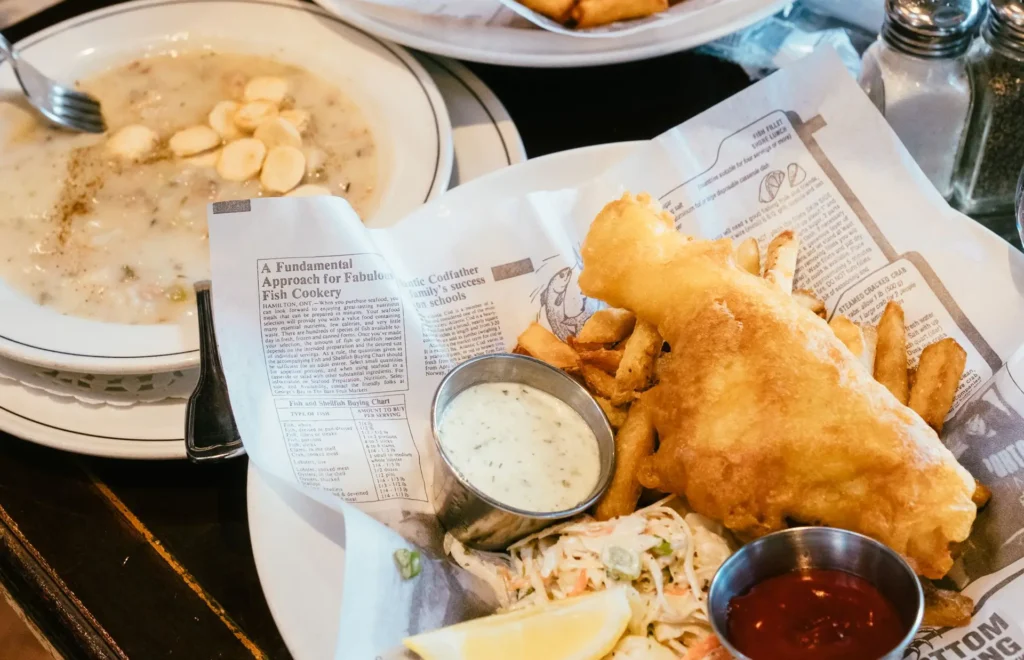
Vancouver is an undisputed culinary heavyweight, driven by access to fresh Pacific seafood, fertile Fraser Valley farmlands, and a diverse population. The city is famous for its Pacific Northwest cuisine, which emphasizes farm-to-table sustainability. You will find some of the best sushi outside of Japan, incredibly authentic dim sum, and a thriving street food scene.
British Columbia is also celebrated for its beverages. The nearby Okanagan Valley produces world-class wines, and the city itself is dotted with dozens of independent craft breweries, particularly concentrated in the “Yeast Van” district of East Vancouver.
Typical Prices for Food in Vancouver
| Dining Experience | Estimated Cost (CAD) | Estimated Cost (USD) |
|---|---|---|
| Street Food / JapaDog | 10.00 to 18.00 CAD | 7.50 to 13.50 USD |
| Casual Sit-down Meal | 25.00 to 40.00 CAD | 18.50 to 30.00 USD |
| Fine Dining (3-course) | 80.00 to 150.00+ CAD | 60.00 to 110.00+ USD |
| Local Craft Beer Pint | 7.00 to 10.00 CAD | 5.25 to 7.50 USD |
Nightlife
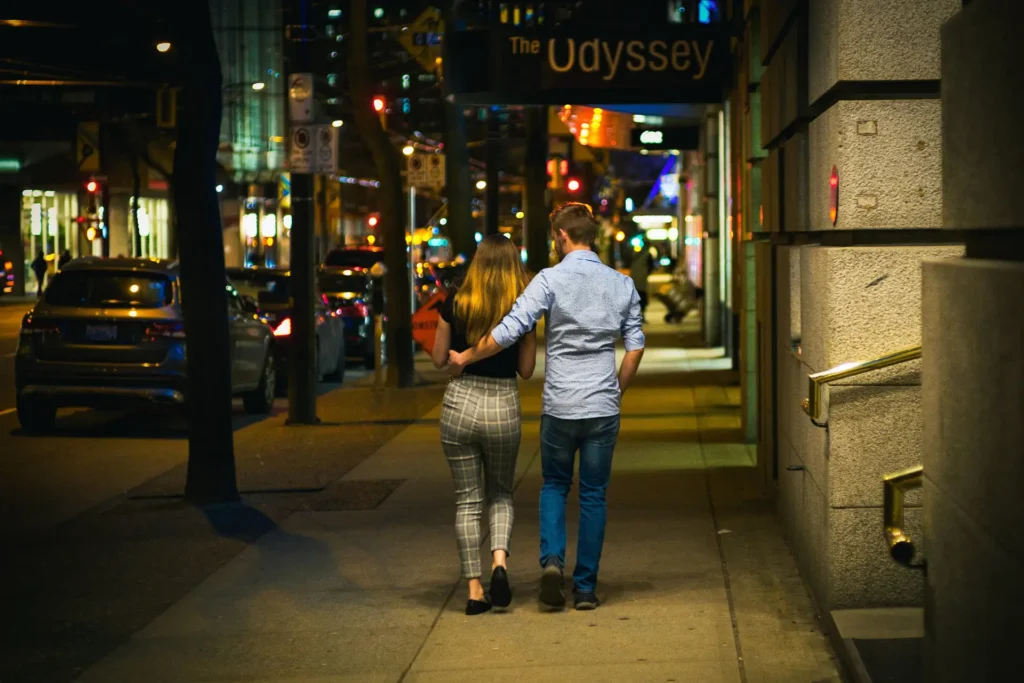
When the sun goes down, Vancouver’s distinct neighborhoods offer varying flavors of nightlife. The Granville Entertainment District is the neon-lit epicenter for late-night clubbing, live music venues, and bustling bars geared toward a younger crowd.
For a more sophisticated evening, Yaletown offers upscale cocktail lounges and sleek wine bars housed in converted heritage warehouses.
Meanwhile, Gastown is the go-to spot for craft beer enthusiasts, speakeasy-style cocktail bars, and cozy pubs with a historic, slightly hipster ambiance.
Useful Information
- Currency: The official currency is the Canadian Dollar (CAD). While credit and debit cards are universally accepted, it is handy to carry a small amount of cash.
- Tipping: Like much of North America, tipping is customary and expected. A standard tip in restaurants, bars, and for taxis ranges from 15 to 20 percent of the pre-tax bill.
- Safety: Vancouver is generally a very safe city for tourists. However, visitors should be aware of the downtown Eastside neighborhood, which struggles with visible poverty and substance issues; while not inherently dangerous for tourists, it can be confronting for those unaware.